Unwanted Roof Intruders: Addressing Animal-Related Damage
What You’ll Learn
Can animals really damage my roof, and how can I tell if it’s happening?
Yes! Animals can cause serious damage by chewing through roofing materials, creating openings, and nesting where they shouldn’t.
You can usually spot the problem through noises, droppings, or visible entry points around your roofline.
In This Blog:
You think your attic is haunted, but it’s really a family of squirrels.
Chester County is riddled with critters that are looking for a cozy place to nest, especially more wooded areas.
While these critters are cute from a distance, they have the capability of causing extensive damage to your home—namely, your roof.
What Problems Can Animals Cause on a Roof?
Animals on your roof lead to a myriad of issues and damages. Here’s a closer look at what you might expect:
Shingle, Flashing, and Gutter Damage
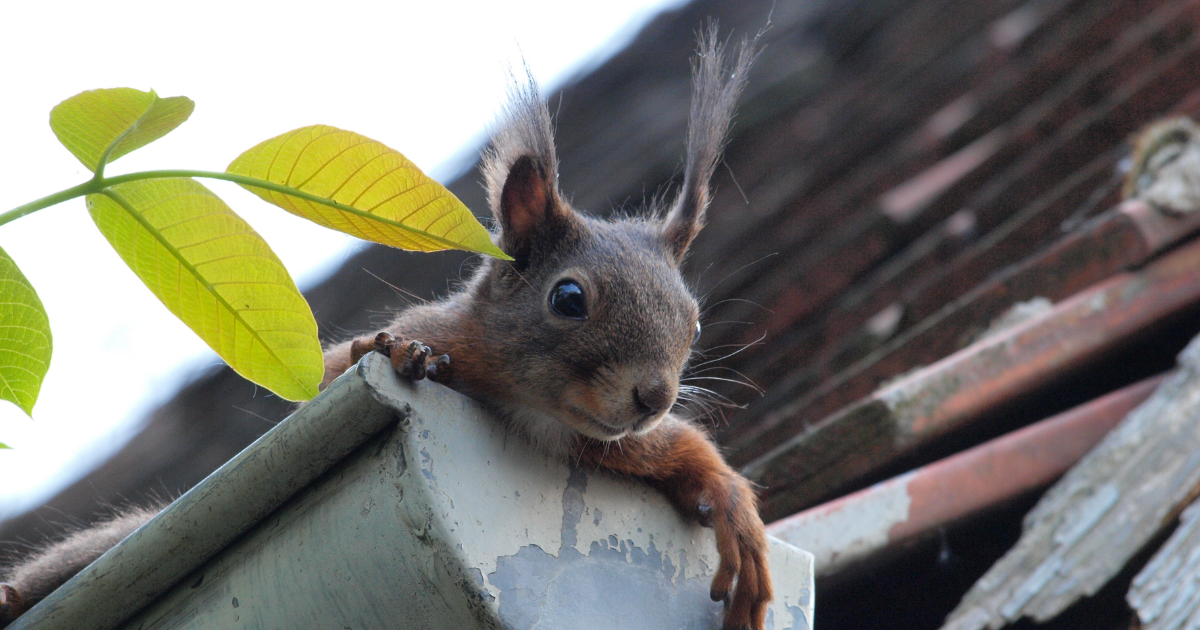
Squirrels and raccoons cause extensive damage to shingles, flashing, and vents by clawing and gnawing at them.
With their dexterous paws, Raccoons peel back shingles and damage the underlying layers.
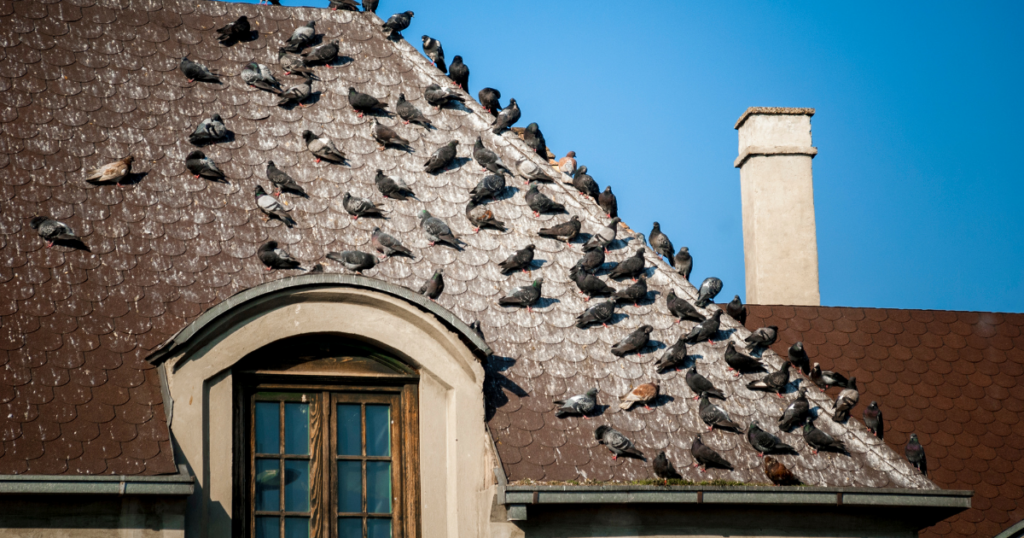
The uric acid in bat and bird droppings eats away at shingles, flashing, and gutters, leading to premature deterioration. The unsightly stains left behind diminish your home’s curb appeal.
You don’t have to worry if the friendly neighborhood finch curiously lands on your roof after pecking at your bird feeder. However, if you have a family of turkey vultures frequenting your roof to the point that the rain can’t wash off their excrement—there’s a problem.
Nesting and Blockage
Animals like squirrels and birds build nests in the nooks and crannies of your roof. In the case of birds, they create nests in your eaves or gutters.
These nests:
- obstruct the flow of rainwater, creating breeding grounds for mosquitoes and causing water backup, which will overflow into soffits and siding
- increase the risk of leaks both inside and outside of your home when water backs up into areas that lead into your house
To make their nests, squirrels and raccoons bring in twigs, leaves, and other debris, while birds use sticks and straw.
- These organic materials decompose and attract insects like ants and termites
- These insects further damage your roof
- They will also find their way into your home
Health Hazards
When there is frequent animal traffic in or on your roof, their feces will begin to accumulate. Wild animal excrement carries diseases, which can make you sick when exposed.
Bat guano contains harmful pathogens, such as Histoplasma capsulatum, which leads to respiratory illnesses in humans.
Removing bats and their guano should only be done by trained professionals who take appropriate safety measures.
Pigeon, sparrow, turkey vulture, and other bird droppings host bacteria and fungi that harm humans. One of the most well-known pathogens associated with bird droppings is Cryptococcus neoformans, which causes lung infections in humans.
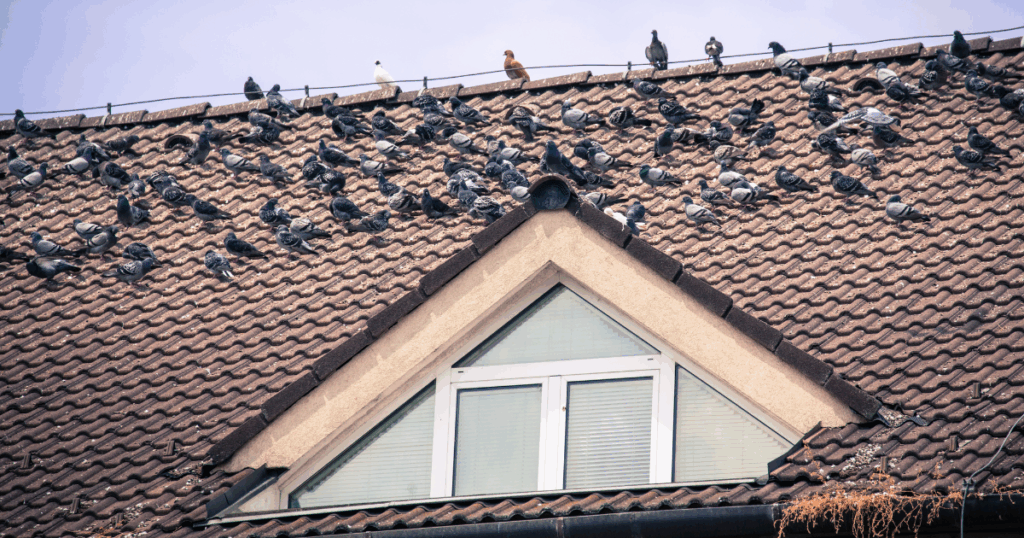
Moreover, the damp environment created by the accumulation of droppings promotes the growth of mold and fungi, further increasing the risk to human health.
Increased Energy Costs
Animals that will nest in your attic or roof, like raccoons, squirrels, and bats, compromise your home’s insulation, increasing energy bills.
This occurs because animals displace or damage insulation material while constructing their nests or seeking shelter.
What If You Notice Damage?
If you notice damage caused by animals on your roof, acting promptly to prevent further issues is crucial.
Inspect the Damage
Safely inspect your roof using binoculars to determine the extent of the damage from a distance.
A local roofing professional should also be willing to do this for you.
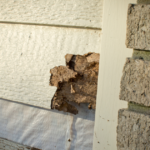
Look for signs of animal entry points, such as chewed or damaged roofing materials, displaced shingles, or any openings in the attic.
Document the Damage
Documenting the damage for various purposes, including insurance claims and professional assessments, is crucial.
Take clear and comprehensive photos of the affected areas on the exterior and within your attic. The local roofer you hire will be doing this as well.
Additionally, make detailed notes about the extent of the damage, when you noticed it, and any observations related to the animal intrusion.
Contact a Local Roofer
After assessing and documenting the damage, the next step is to contact a reputable local roofing company.
Roofing professionals have the expertise and experience to handle animal-related roof damage effectively. They can also identify the type of animal involved and the necessary repairs needed.
Repair and Prevent
Once you’ve connected with a local roofer, they will promptly assess the damage and provide a repair plan.
This plan will include preventive measures that involve installing protective barriers and making your roof less appealing to animals by:
- Sealing entry points
- Trimming overhanging branches
- Removing food sources in your attic
- Using visual or auditory deterrents like predator decoys, motion-activated lights and sprinklers, or ultrasonic sound devices
Where Do Animals Gain Entry to Your Roof?
You need to understand how animals get onto your roof to get them off of it. These are the most common animal entry points on your roof:
- Small openings in the eaves, soffits, or attic vents provide entry for squirrels, bats, and birds.
- Overhanging tree branches act as bridges for animals to access your roof.
- Chimneys without caps are inviting to raccoons and birds looking for a place to nest.
- Raccoons pry loose or damage roof flashing to gain access.
How Do You Keep Animals Away from Your Roof?
To keep animals from settling on your roof:
- Regularly trim tree branches that overhang your roof to prevent easy animal access.
- Schedule periodic roof inspections to identify and repair any entry points or damage.
- Install guards on roof vents to keep out birds and small mammals.
- Cap your chimney to prevent raccoons and birds from nesting inside.
- Consider using animal-friendly deterrents like motion-activated lights, sprinklers, or sound devices.
- Consult a local pest control or wildlife removal service if you’re dealing with a persistent animal problem.
Keep the Critters Away—Contact GP Martini Roofing
The problem of animals on your roof is not to be taken lightly.
Whether it’s installing chimney caps or seeking professional assistance, it’s essential to safeguard your roof from these issues.
When it comes to professional assistance in Chester County, you can rely on GP Martini Roofing to assess and address any animal-related roof problems.
Protect your home from the unique challenges posed by animals in your area.
Request an estimate with GP Martini Roofing today!
FAQ
What damage can animals cause to my roof?
Animals chew shingles, claw vents, and build nests that block drainage.
Their waste corrodes materials, raises energy bills, and invites pests—all of which can harm your roof and health.
Which animals are the biggest problem for roofs?
Squirrels, raccoons, birds, and bats are the most common.
They chew, nest, and leave behind waste that damages your roof, insulation, and gutters—and attracts insects.
Are there health risks from animal waste?
Yes. Bat guano and bird droppings can carry dangerous fungi and bacteria that cause respiratory illness.
Accumulated waste also encourages mold and pest infestations.
How do I know if animals caused damage to my roof?
Look for chewed shingles, nests, droppings, or gaps near vents and chimneys.
Leaks or drafts can also signal a problem. A roofing pro can confirm the cause safely.
What should I do if there’s damage?
Inspect from a safe distance, document what you see, then call a local roofer.
They’ll assess, repair, and help you prevent future damage with sealing and deterrents.
How do animals get onto my roof?
They use attic vents, soffits, or uncapped chimneys.
Overhanging tree branches act like bridges. Even small gaps in flashing can let animals in.
How can I keep animals away from my roof?
Trim trees, cap chimneys, install vent guards, and seal openings.
Motion lights and sound devices can help too. Regular inspections are key for prevention.