A Guide to Front Door Security Features

What You’ll Learn
What are the best features for securing a front door?
Start with strong hardware, then decide whether you want amped-up security with smart tech. Deadbolts, reinforced strike plates, hinge protection, multi-point locks, and door barricades can strengthen the physical door assembly. Then, smart technology can add monitoring, alerts, and remote control.
The right combination depends on your door, home, budget, and the level of convenience you want.
In This Blog:
The break-in happened two doors down.
Suddenly, the deadbolt Lisa had never given much thought to seemed a lot less reassuring.
The lock worked. The door closed tightly. She never questioned if it was secure before.
The answer is that front door security isn’t just about the lock.
The door, frame, hinges, locks, and other hardware all work together to protect the entryway. And today, homeowners can add another layer with smart technology—from keypads and integrated alarms to remote management and video doorbells.
Front Door Security Starts With the Hardware
Before adding smart technology, start with the physical parts of your door. Good hardware doesn’t need batteries, Wi-Fi, or an app to do its job.
When properly installed, these features can make the door and frame more resistant to forced entry.
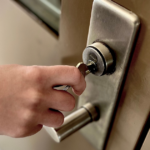
Deadbolts
A deadbolt provides more security than a standard spring-latch lock because the bolt extends deeper into the door frame.
A high-quality deadbolt is one of the simplest upgrades homeowners can make to an existing front door.
Cost: Generally one of the more affordable security upgrades, although higher-security models cost more.
Durability: Mechanical deadbolts can last for years with relatively little maintenance.
Best for: Homeowners looking for a straightforward, reliable improvement to basic door security.
Reinforced Strike Plates
The strike plate is the metal plate attached to the door frame where the deadbolt or latch enters.
A reinforced strike plate spreads the force of an impact over a larger area of the frame. Models designed for security may also use longer screws that anchor more deeply into the framing.
Cost: Relatively inexpensive compared with replacing a door.
Durability: A properly installed metal strike plate can provide long-term reinforcement with very little maintenance.
Best for: Existing doors where the frame and lock could use additional reinforcement.
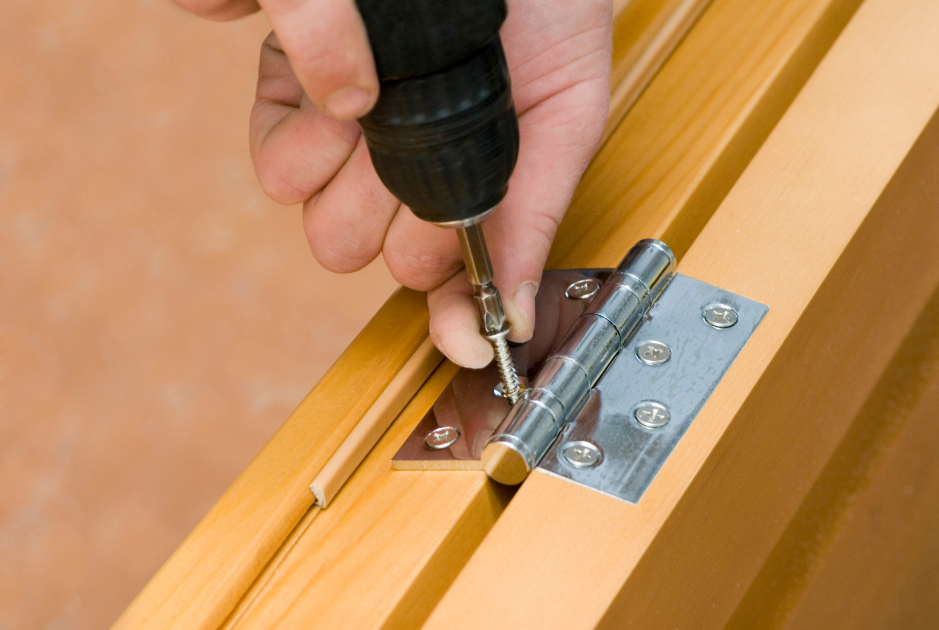
Hinge Protection
Hinges are another part of the door assembly worth considering, particularly if they are exposed on the exterior of the door.
Hinge pins or security studs can make it more difficult to remove a door by attacking the hinges.
Cost: Usually a relatively small hardware upgrade.
Durability: Mechanical hinge protection is generally long-lasting because it doesn’t rely on electronics or moving components that require regular replacement.
Best for: Doors with exposed exterior hinges or homeowners looking to reinforce another potential weak point.
Door Jammers and Barricades
Door jammers and barricades provide an additional layer of resistance from inside the home. They brace the door against the floor or a surrounding structure, making it harder to force it inward.
Unlike a permanent hardware upgrade, these products are typically used when the homeowner is inside the house.
Make sure the jammer is compatible with your door and that it can reach the right height on your door handle or knob. If your doorknob sits higher or lower than the standard height, look for an adjustable or extendable model that accommodates the height difference. A jammer that doesn’t make solid contact with both the door and floor won’t provide the same level of resistance.
Cost: Often relatively affordable, depending on the type and construction.
Durability: Quality models can be durable, but their effectiveness depends heavily on proper placement and the strength of the surfaces they’re bracing against.
Best for: Homeowners seeking an additional interior layer of protection, especially at night.
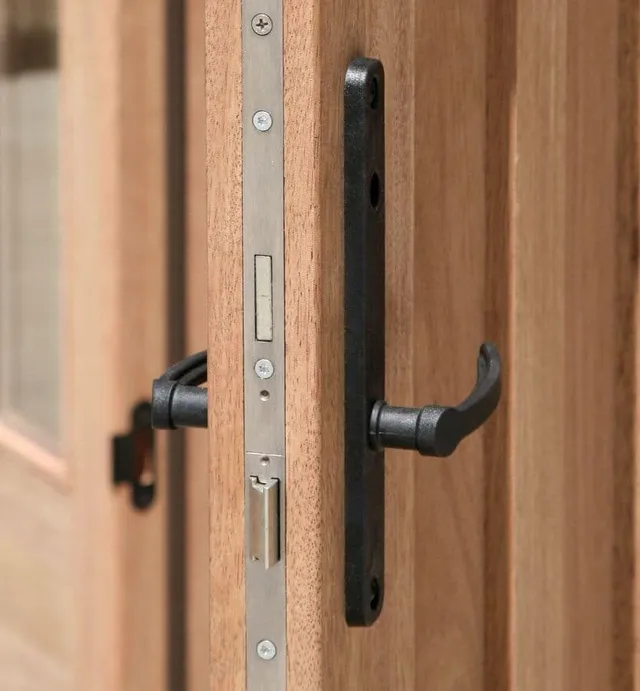
Multi-Point Locks
Multi-point locking systems secure the door at several points rather than relying on a single central latch or deadbolt.
Depending on the system, locking points may engage at the top, middle, and bottom of the door when the handle or key is operated.
Cost: More expensive than a standard deadbolt and may require a compatible door system or professional installation.
Durability: Quality multi-point systems can provide long-term security, although they require more hardware to remain properly aligned.
Best for: Homeowners replacing a door or looking for a more comprehensive locking system.
Smart Technology Adds Another Layer of Protection
Physical hardware helps prevent forced entry. Smart technology can help you know what’s happening at the door.
That’s particularly useful when you’re away from home.
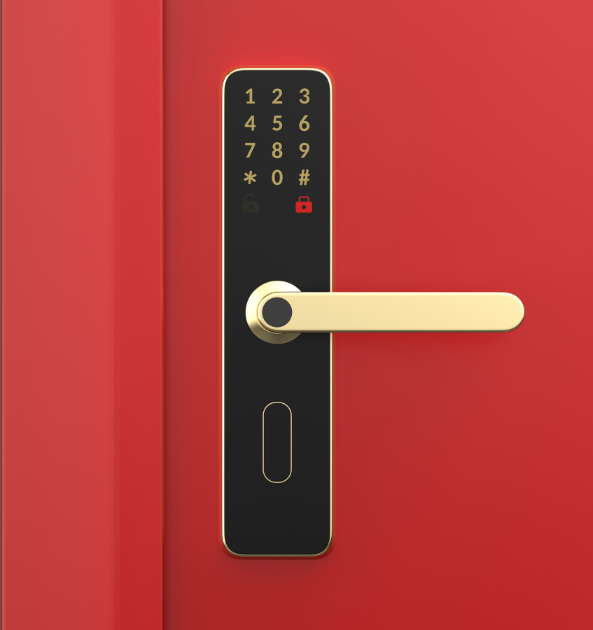
Keypads
Keypad locks allow you to unlock the door using a code instead of a traditional key.
Some models allow homeowners to create individual codes for family members, guests, or service providers.
Cost: More expensive than a basic mechanical lock.
Reliability: Battery-powered systems require occasional battery replacement, and electronic components can eventually fail. A quality model with a reliable backup entry method can provide a good balance of convenience and security.
Best for: Families, homeowners who frequently have guests, or anyone who doesn’t want to carry keys.
Integrated Alarms
Some smart locks and security systems can trigger an alarm when they detect certain activity, such as attempted tampering or unauthorized entry.
The benefit isn’t just preventing entry; it’s creating a response when something unusual happens.
Cost: Varies significantly depending on whether you’re adding an alarm to an existing system or installing a larger home security setup.
Reliability: Reliability depends on the quality of the system, power source, connectivity, and configuration.
Best for: Homeowners who want their front door to be part of a broader home security system.
Remote Management
Smart locks can allow homeowners to lock or unlock a door remotely through an app.
That means you can check whether the door is locked after leaving home or provide temporary access without physically handing someone a key.
Cost: Usually more expensive than a standard lock and may involve additional subscription costs depending on the system.
Reliability: These systems depend on batteries, electronics, and connectivity. Look for models with low-battery alerts and a backup method for accessing the door.
Best for: Homeowners who value convenience and want more control over who can access their home.
Smart Doorbells
Smart doorbells combine a traditional doorbell with cameras, motion detection, and notifications.
Depending on the model, you may be able to see who is at the door, communicate with them, and receive an alert when motion is detected.
Cost: Prices vary widely depending on camera quality, features, and whether a subscription is required.
Reliability: A quality smart doorbell can provide consistent monitoring, but it depends on power, Wi-Fi connectivity, and proper placement.
Best for: Homeowners who want to know what’s happening outside the front door, even when they’re not home.
Hardware vs. Smart Tech: Which Do You Need?
You don’t necessarily have to choose one or the other.
The strongest approach is often to combine physical reinforcement with smart monitoring.
For example, a homeowner might combine a quality deadbolt with a reinforced strike plate, then add a smart doorbell for visibility and alerts.
Someone replacing their entire front door could go further by adding a multi-point locking system, a reinforced frame, and a smart lock.
The important thing is to address both sides of security:
- Hardware makes the door harder to force open.
- Smart technology helps you monitor and manage what happens at the door.
How Much Should You Spend on Front Door Security?
There’s no single security upgrade that makes sense for every home.
If you’re working with a limited budget, start with the fundamentals: a quality deadbolt and reinforced strike plate can strengthen an existing door without requiring a complete replacement.
If you’re replacing the entire door, that’s when it makes more sense to consider built-in features such as multi-point locks and reinforced construction.
Smart technology can then be added based on the level of monitoring and convenience you want.
Rather than buying every security product available, focus on the weakest part of your current door assembly and address that first.
When to Consider Replacing the Door
Sometimes the hardware isn’t the real problem.
If your door is hollow, damaged, poorly fitted, warped, or paired with a weak frame, upgrading the lock may only address one part of the problem.
A professional can evaluate the entire door assembly—including the door, frame, hinges, locks, and surrounding structure—to determine whether an upgrade is enough or whether replacement makes more sense.
A new door also allows you to build security into the system from the beginning, rather than trying to reinforce an older door piece by piece.
Build a Front Door That Gives You Confidence
Front door security doesn’t have to mean turning your entryway into a fortress.
Start with the fundamentals: a solid door, reliable locks, a reinforced frame, and properly installed hardware. Then add smart technology for additional monitoring, alerts, and remote access.
Contact GP Martini Roofing for a Free Estimate.
We’ll help you evaluate your current door and determine whether a few targeted upgrades or a complete replacement makes the most sense for your home.
FAQs
What is the most important front door security feature?
A quality deadbolt paired with a properly reinforced door frame is one of the best places to start. A strong lock doesn’t provide much protection if the strike plate and surrounding frame can easily fail under force. Homeowners should consider the entire door assembly rather than focusing on the lock alone.
Are smart locks more secure than regular locks?
Not necessarily. Smart locks offer convenience and features such as remote management, temporary access codes, and activity alerts, but they still rely on the physical strength of the door and frame. A quality mechanical lock can be extremely reliable. Smart technology is best viewed as an additional layer rather than a replacement for strong physical security.
Are multi-point locks worth the extra cost?
They can be, particularly when you’re replacing a front door. Multi-point systems secure the door at several locations and can provide a more comprehensive locking arrangement than a single deadbolt. They’re typically more expensive, so they make the most sense when you’re already investing in a new door rather than retrofitting an existing one.
Do I need both a deadbolt and a smart lock?
Not necessarily. A smart lock can provide keyless entry and remote management, while a deadbolt provides the physical locking mechanism. Some smart locks are designed to replace the existing deadbolt, so homeowners should compare how the system is constructed rather than assuming more locks automatically mean more security.
When should I replace my front door rather than upgrade the hardware?
Consider replacement if the door is damaged, warped, poorly fitted, or has a weak frame that can’t be adequately reinforced. If you’re continually upgrading locks and hardware but the underlying door remains a weak point, investing in a new, properly installed door may provide better long-term value and security.