The Right Way to Clean Your Siding Without Damaging It

What You’ll Learn
How can I clean my home’s siding without damaging it?
Safely cleaning your home’s siding requires matching the right gentle techniques to your specific siding material.
By avoiding high-pressure blasting, harsh chemicals, and abrasive scrubbing tools, you protect the structural integrity of your home.
Using low-pressure rinsing and material-safe solutions keeps your exterior looking pristine while preventing expensive moisture retention and rot.
In This Blog:
Anna’s been on a powerwashing roll.
The moss on the driveway? Gone.
Her outdoor mats? As good as new.
Next on the list is her home’s dirty vinyl siding.
With every blast of grime, the knots in her shoulders loosen a little more.
She’s nearly ready to truly relax this summer.
What Anna doesn’t know is that the water pressure from the jet will end up damaging her siding, turning this therapeutic spring cleaning into a nightmare.
Why Improper Siding Cleaning Causes Problems
Your siding protects your home from moisture, pests, wind, and temperature swings.
When it’s time to do some cleaning, many homeowners assume pressure washing is the answer.
However, using the wrong tools or cleaning solutions can damage siding in ways that aren’t immediately obvious.
Common siding cleaning mistakes include:
- Excessive Pressure Washing: High-pressure water can force moisture behind siding panels, loosen seams, chip paint, and crack fragile materials. This trapped moisture often leads to mold, mildew, wood rot, or structural deterioration over time.
- Harsh Chemical Use: Undiluted bleach and abrasive chemicals can discolor siding, weaken finishes, and damage nearby landscaping. Some materials, especially wood and fiber cement, are particularly vulnerable to chemical deterioration.
- Scrubbing With Abrasive Tools: Wire brushes or stiff-bristle scrubbing pads may scratch surfaces and remove protective coatings. Once protective finishes wear away, siding becomes more vulnerable to weather damage.
Different siding materials require different cleaning methods. Understanding what works—and what doesn’t—helps keep your exterior looking great without creating expensive repair issues.
Best Ways to Clean Different Types of Siding
Each siding material responds differently to water pressure, cleaners, and scrubbing methods. Here’s how to safely clean the most common siding types.
Tip for All Siding: When applying cleaning solutions, always work from the bottom up to prevent dirty water from creating permanent streaks on dry siding. When rinsing, work from the top down.
Vinyl Siding
Vinyl siding is one of the easiest materials to maintain, but improper pressure washing can force water underneath the panels.
Best Cleaning Method
Use a garden hose or low-pressure washer combined with a soft-bristle brush and a mild soap-and-water mixture.
For mold and mildew, a diluted bleach solution (1 part bleach to 4 parts water) is highly effective—just be sure to thoroughly pre-wet and rinse nearby plants to protect them.
Always spray downward at an angle rather than upward beneath the siding laps.
Potential Damage
Incorrect cleaning can loosen panels, trap moisture behind the siding, and cause warping or mildew buildup.
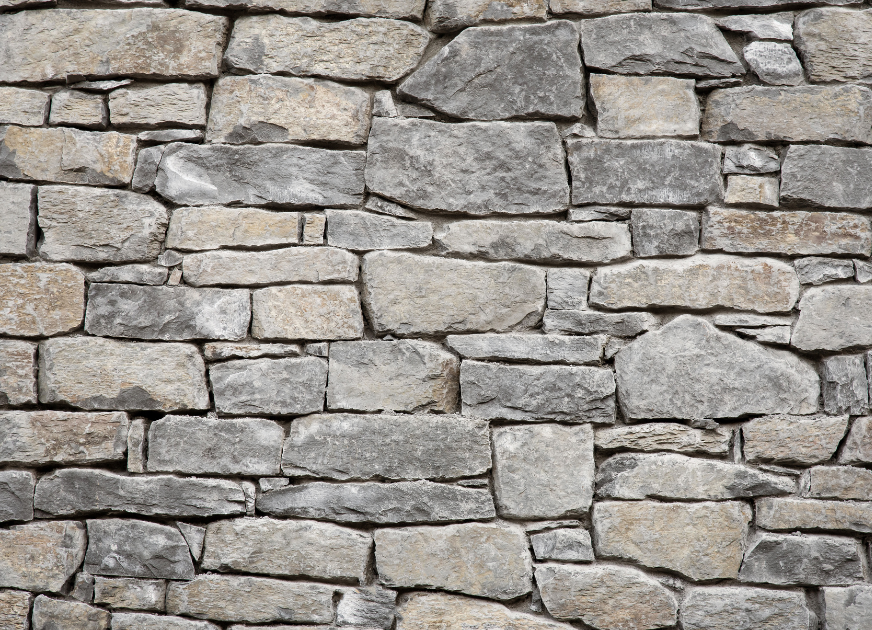
Stone and Brick Siding
Brick and stone are durable, but mortar joints can weaken if cleaned too aggressively.
Best Cleaning Method
Use low-pressure rinsing with a masonry-safe cleaner and a soft brush.
For stubborn stains, specialized stone or brick cleaning products work best.
Allow the cleaner time to break down the buildup before gently rinsing.
Potential Damage
Too much pressure can erode mortar joints, allowing water intrusion and weakening the structural integrity of the wall.
Metal Siding
Metal siding resists many forms of weather damage, but it can get corroded if cleaned improperly.
Best Cleaning Method
Use mild detergent, warm water, and a soft cloth or sponge. Rinse thoroughly to prevent residue buildup.
For oxidation or mildew, use cleaners specifically designed for metal siding.
Potential Damage
Scratched coatings can expose metal to rust and corrosion, especially in areas with frequent moisture exposure.
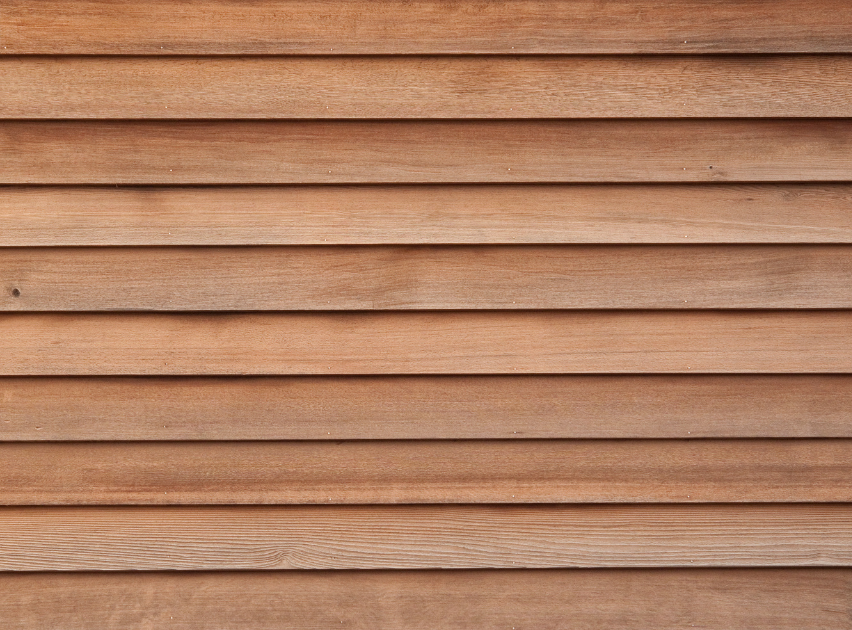
Wood Siding
Wood siding requires extra care because excess moisture can quickly lead to rot or swelling.
Best Cleaning Method
Use gentle hand washing with a soft brush and wood-safe cleaning solution.
If pressure washing is necessary, keep the pressure extremely low and maintain a safe distance from the surface.
Potential Damage
Improper cleaning can strip paint, splinter wood fibers, and create moisture problems that lead to rot, mold, or insect activity.
Fiber Cement Siding
Fiber cement is durable, but it still needs proper maintenance to preserve its finish.
Best Cleaning Method
Use a soft brush or cloth with mild soap and water. A low-pressure rinse can help remove dirt without damaging the surface coating.
Potential Damage
Aggressive cleaning can damage the factory finish, leading to premature fading, moisture penetration, and reduced lifespan.
Stucco Siding
Stucco can crack easily if cleaned too aggressively, especially older stucco systems.
Best Cleaning Method
Use gentle rinsing combined with mild detergent and a soft brush. Focus on removing dirt gradually instead of blasting stains away.
Potential Damage
Water intrusion through cracks can lead to hidden moisture damage, mold growth, and stucco deterioration beneath the surface.
Signs Your Siding May Already Have Cleaning Damage
Sometimes siding damage appears after repeated improper cleanings over the years. Watch for these warning signs:
- Discoloration or Fading: Uneven coloring often indicates chemical damage or stripped protective coatings.
- Cracks, Chips, or Warping: These issues may result from excessive pressure or prolonged moisture exposure.
- Mold or Mildew Growth: If moisture gets trapped behind siding, mold growth can develop quickly.
- Loose Panels or Gaps: Pressure washing can loosen siding connections and create openings for water intrusion.
How Often Should Siding Be Cleaned?
Most homes benefit from siding cleaning once or twice per year depending on local weather conditions, tree coverage, and moisture levels.
Professional inspections are also helpful for spotting early signs of siding deterioration before larger issues develop.
Keep Your Siding Clean Without Shortening Its Lifespan
Routine siding maintenance helps protect your home’s appearance and structural integrity—but only when it’s done correctly.
If you’re worried about cleaning your siding, we can help.
We offer free siding estimates for potential replacements, and can inspect your siding and provide the best possible maintenance guidelines.
Contact GP Martini Roofing today.

FAQs
Is it safe to use a pressure washer on my house siding?
No, it is generally not good to use a high-pressure washer on your siding.
Blasting your siding can loosen seams, crack fragile materials, and strip away protective finishes.
Worst of all, it forces water right behind the panels, which traps moisture against your home and triggers hidden problems like mold, wood rot, and structural damage over time.
How do I clean my siding without leaving ugly streaks?
The secret is all in your direction.
To keep dirty water from permanently streaking dry surfaces, always apply your soapy cleaning solution from the bottom up.
When you are ready to rinse the dirt away with your hose, work your way from the top down for a spotless finish.
Can I use bleach to get rid of mold on vinyl siding?
Yes, but you must dilute it first. Mixing one part bleach with four parts water effectively kills mold and mildew without warping panels.
To keep your surrounding landscaping safe from chemical damage, make sure to thoroughly soak nearby plants with clean water both before and after you wash the house.
What happens if you use the wrong tools to scrub siding?
Using abrasive tools like wire brushes or stiff scrubbing pads can scratch exterior surfaces and permanently ruin factory finishes.
Once these protective coatings wear away, your siding loses its defense against the elements, leaving materials like metal, wood, and fiber cement much more vulnerable to weathering and corrosion.
How can I tell if my siding has been damaged by bad cleaning?
Look closely for uneven fading or discoloration, which usually indicates chemical damage.
You might also notice physical signs like cracks, chips, warping, gaps, and loose panels where high pressure broke the connections.
Finally, keep an eye out for rapid mold and mildew growth caused by trapped moisture.