Vertical vs Horizontal Siding: Pros and Cons
What You’ll Learn
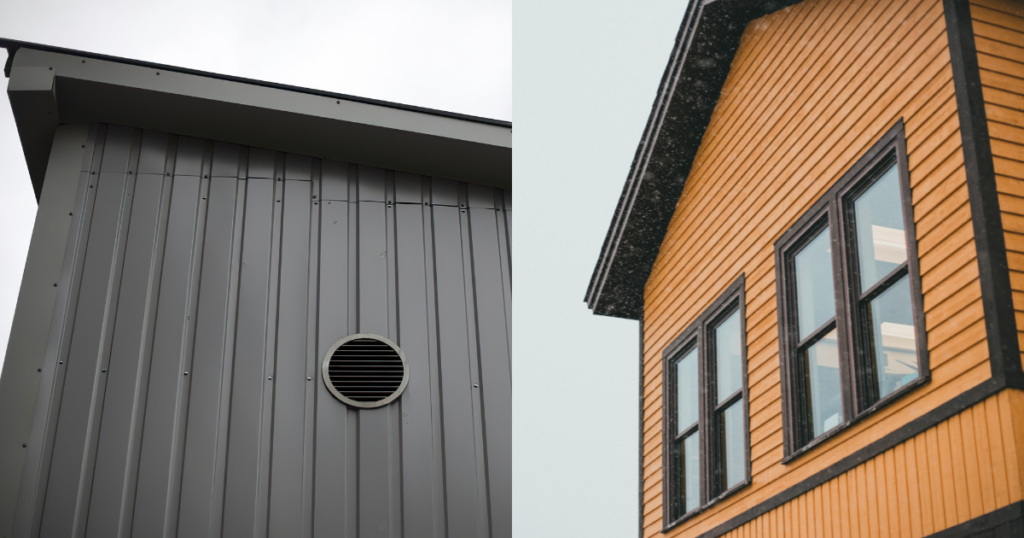
What are the differences between horizontal and vertical siding?
Beyond the visual difference, horizontal and vertical siding are installed differently and require different levels of homeowner maintenance and moisture management.
Vertical siding is better for moisture management and requires less maintenance, but the installation price is significantly higher than horizontal siding due to a more complicated installation technique.
In This Blog:
Amy curated the perfect Pinterest board.
It helped her narrow down what siding color and material she wanted for her upcoming replacement.
It hadn’t prepared her for the contractor’s final question, though:
“Are we running this vertically or horizontally?”
Amy had no idea how the decision would impact her house’s appearance, durability, and the amount of maintenance she would have to do.
If you don’t have an answer either, read this guide comparing vertical and horizontal siding.
Style and Architectural Aesthetic
The direction of your siding lines creates a powerful visual illusion that can completely transform your home’s silhouette.
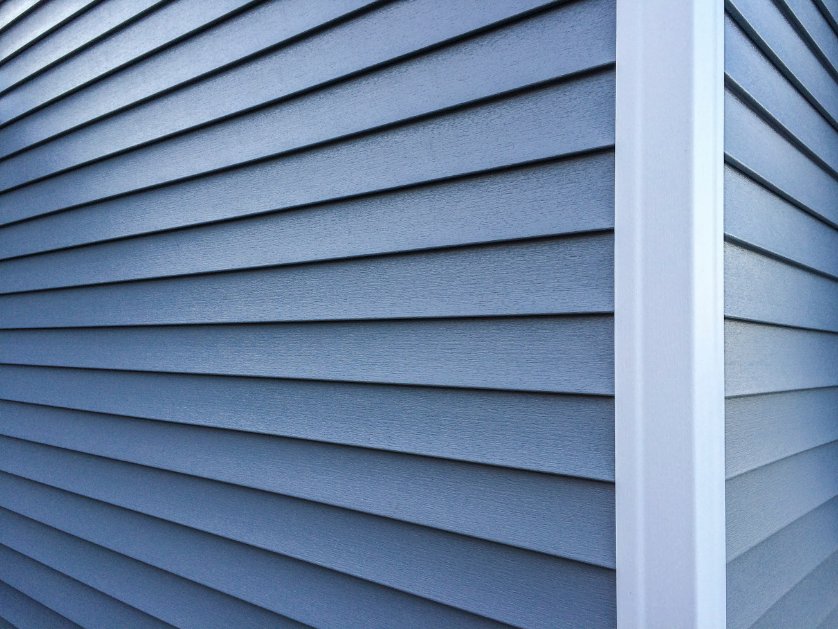
Horizontal Siding
This is the timeless, traditional standard.
Whether it’s clapboard, traditional lap, or Dutch lap, horizontal siding emphasizes width, making a house look grounded, cozy, and classic.
It is the definitive choice for Colonial, Craftsman, and traditional Ranch-style homes.
Vertical Siding
Vertical siding draws the eye upward, creating the illusion of height. It gives a home a dramatic, modern, and elongated appearance.
If you love the modern farmhouse aesthetic—characterized by wide “board and batten” panels—vertical siding is your go-to.
It is also highly favored for contemporary and minimalist architectural designs.
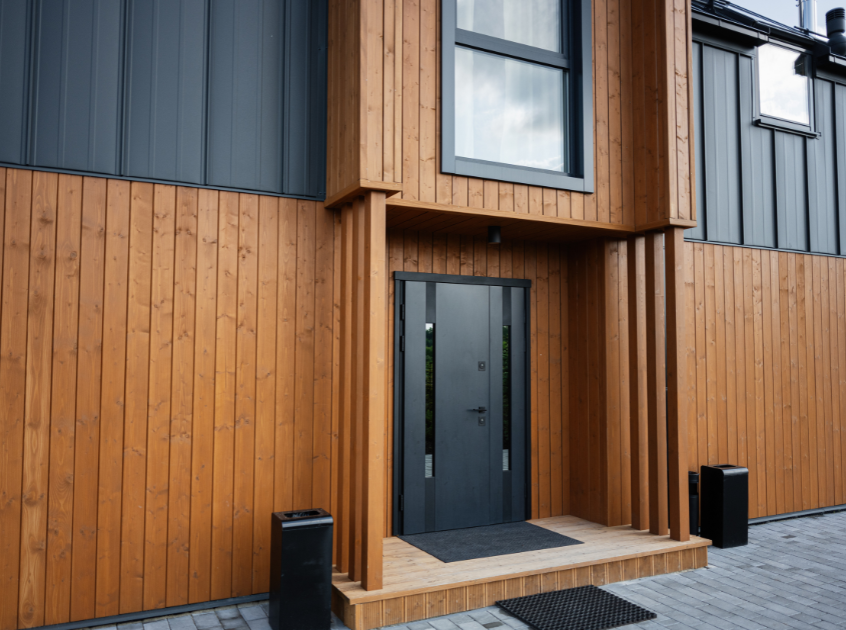
Design Tip: You don’t always have to choose just one. Many modern home designs utilize horizontal siding on the main body of the house and feature vertical board and batten in the gables or entryways to create a striking texture contrast.
The Cost Factor: Materials vs. Labor
When comparing the financial investment, the price of the actual siding material is usually identical whether you install it left-to-right or up-and-down.
The real variance comes down to labor and installation complexity.
Horizontal Siding
Because it is the industry standard, horizontal siding is faster and easier to install. Contractors can fly through a horizontal installation, which keeps labor costs relatively low.
Vertical Siding
Vertical installation is significantly more labor-intensive. It requires a more complex framing preparation underneath.
Contractors must install horizontal wood strips (called furring strips or strapping) behind the siding to give the vertical panels a secure nailing surface.
Additionally, getting vertical panels perfectly plumb requires a high level of precision. Expect to pay 15% to 30% more in labor costs for a full vertical installation.
Durability, Maintenance, and Cleaning
Both orientations can be incredibly durable, but they face different wear-and-tear challenges over their lifespans.
Horizontal Siding
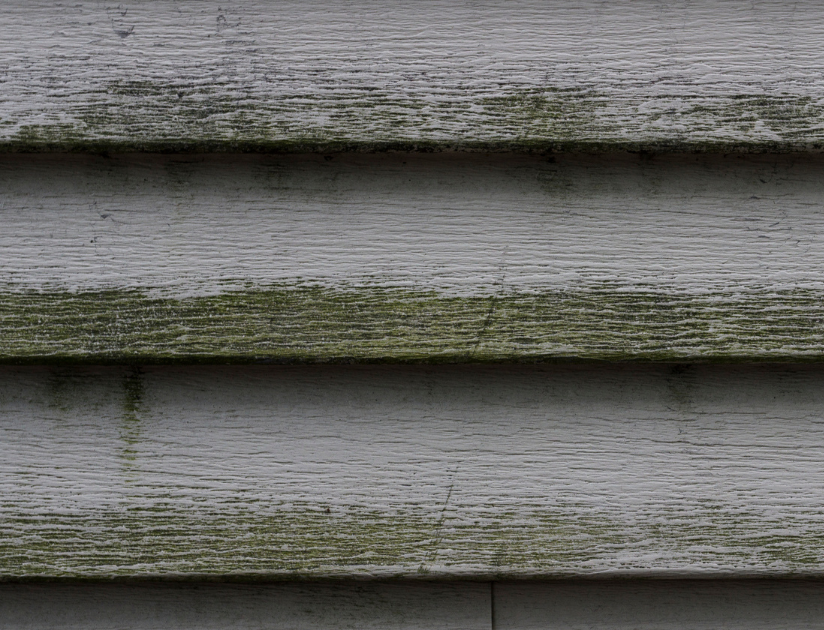
The main vulnerability of horizontal siding lies in its overlapping seams.
Because the boards run perpendicular to falling rain and wind, the lips of the siding can collect dust, dirt, and moisture over time.
If you live in a high-humidity area, you may find yourself washing horizontal siding more frequently to combat mildew buildup in those crevices.
Vertical Siding
From a maintenance perspective, vertical siding is a dream.
Because the lines run downward, dirt, debris, and rainwater wash off effortlessly.
When it does come time to clean it, a simple rinse with a garden hose usually does the trick, as there are no horizontal ledges to trap grime.
Moisture Management: The Ultimate Test
How a home handles water is the single most important factor in its long-term survival.
Horizontal and vertical siding interact with water in fundamentally different ways.
Horizontal Siding
The overlapping design of lap siding is naturally shed-resistant, acting like shingles on a roof.
However, wind-driven rain can occasionally force its way upward into the seams. If your contractor didn’t install a high-quality housewrap underneath, that trapped water can rot the sheathing.
Vertical Siding
Gravity is vertical siding’s best friend. Rain hits the panel and flows straight down the channels to the ground.
However, the risk with vertical siding lies behind the panels. Because it requires horizontal furring strips for installation, those wood strips can inadvertently act like mini-dams, trapping any moisture that gets behind the siding.
To prevent this, your contractor must use a specialized, drainable housewrap or ventilated furring strips to ensure water can still flow downward behind the wall.
Final Verdict: Which is Right for You?
Ultimately, the choice between vertical and horizontal siding comes down to a balance of your budget and your architectural vision.
If you want a timeless look, a straightforward installation, and a lower upfront cost, horizontal siding is the tried-and-true winner.
If you want to make a bold architectural statement, love the modern farmhouse or contemporary look, and don’t mind paying extra for specialized labor to ensure flawless moisture management, vertical siding will give your home an unforgettable curb appeal.
Whichever direction you choose, make sure you hire a skilled contractor who understands the specific flashing and housewrap requirements unique to that orientation.
Your Local Siding Guide
Whether you’ve already decided on siding or need some guidance, GP Martini Roofing is here to help.
Our professionals are ready to guide you through the whole process, from deciding to replace your siding all the way through the replacement itself.
Contact GP Martini today for your siding estimate.
FAQs
Is vertical siding more expensive than horizontal siding?
Yes, vertical siding is generally more expensive due to labor, not material costs. Installing panels vertically is complex and requires specialized horizontal wood furring strips underneath for secure nailing.
This added preparation and precision typically increases the overall installation labor costs by 15% to 30% compared to standard horizontal lap siding.
Which siding option is easier to clean and maintain?
Vertical siding is significantly easier to clean and maintain. Because the seams and panels run downward, gravity allows dirt, debris, and rainwater to wash off effortlessly.
Horizontal siding features overlapping edges that tend to catch and hold onto dust and moisture, requiring more frequent power washing to prevent mildew growth.
Can I combine both horizontal and vertical siding on my home?
Absolutely. Mixing both orientations is a highly popular design trend that adds visual interest and curb appeal.
Many homeowners utilize traditional horizontal siding for the main body of the house and feature vertical board and batten styles on accent walls, entryways, or gables to create a beautiful, modern contrast.
How do horizontal and vertical siding differ in moisture management?
Horizontal siding sheds water outward like roof shingles, but wind can occasionally force rain into the seams. Vertical siding channels rainwater straight down to the ground quickly.
However, vertical siding requires specialized, drainable housewrap underneath because the necessary horizontal installation strips can inadvertently trap moisture if not vented properly.