Is Stucco Still a Good Option? Pros and Cons vs Siding
What You’ll Learn
Is stucco a good option for exterior siding on a home in PA?
Yes—when it’s properly installed with a modern drainage system, and homeowners are committed to proactive maintenance. Stucco can be an excellent exterior for Pennsylvania homes when it’s properly installed with a modern drainage system, and homeowners are committed to proactive maintenance. However, Pennsylvania’s heavy rainfall, high humidity, and repeated freeze-thaw cycles make stucco more susceptible to cracking and moisture intrusion than it is in drier climates.
Older stucco systems and many synthetic stucco (EIFS) installations are particularly prone to failure if water becomes trapped behind the surface. For homeowners who want the look of stucco and are prepared for the added maintenance, it can still be a good choice.
In This Blog:
It started as a few faint streaks beneath Mark’s dining room window.
They were easy to overlook and even easier to explain away as dirt or runoff after a rainy spring.
But over the next year, they became darker, longer, and harder to ignore—especially after extended periods of wet Pennsylvania weather.
What looked like a cosmetic stain was actually a warning sign that moisture may have been trapped behind the stucco all along.
Pennsylvania Weather: The Ultimate Stucco Test
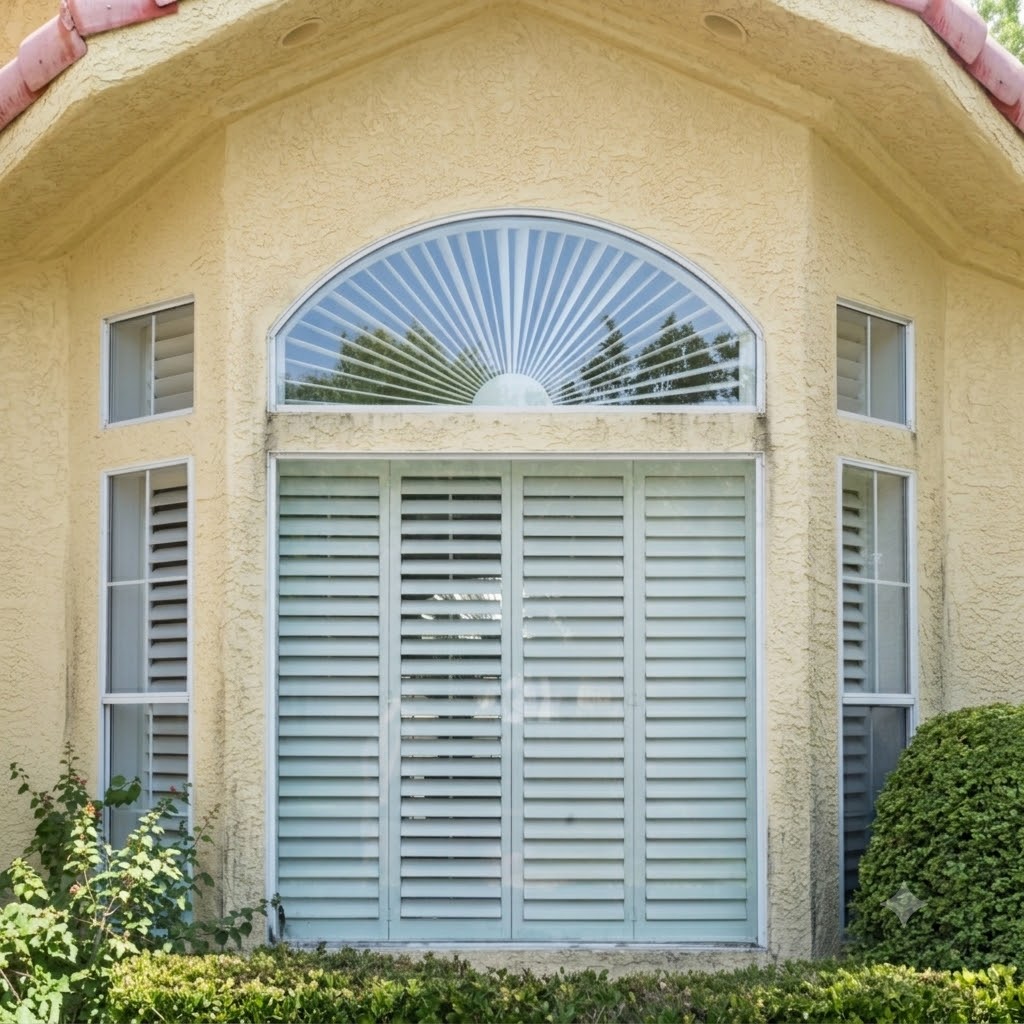
The local real estate listings always highlight it: “Beautiful, classic stucco exterior.” It’s a look that feels right at home in the Delaware Valley, blending seamlessly with our rolling hills and historic architecture.
But behind that handsome texture, many homeowners are asking a much more anxious question: Is it a ticking time bomb?
Stucco is a phenomenal building material in the dry, arid Southwest. In Southeastern Pennsylvania, though, it has a much harder time.
Our local climate subjects home exteriors to a punishing combination of factors:
- Brutal Freeze-Thaw Cycles: Water sneaks into microscopic surface cracks during cold winter rains. When the temperature drops, that water freezes and expands like a tiny jackhammer, turning hairline fractures into major fissures.
- High Humidity & Driven Rain: Summer humidity and severe seasonal storms push moisture flat against your walls. If that moisture gets trapped, it has nowhere to go.
Pros of Stucco in PA
- Excellent Insulation: Its thickness provides natural thermal mass, helping to regulate indoor temperatures against freezing winters and humid summers.
- High Wind Resistance: Unlike poorly secured siding panels, a solid stucco wall won’t rattle or rip free during high-wind coastal remnants.
- Timeless Curb Appeal: It delivers a premium, high-end architectural look that many local HOAs favor.
Cons of Stucco in PA
- High Maintenance: Requires frequent inspections, prompt crack patching, and specialized sealing to prevent water intrusion.
- Zero Moisture Forgiveness: If water breaches the outer layer and encounters a flawed underlying drainage system, structural rot happens fast.
Traditional vs. Synthetic Stucco: The Two Systems
Not all stucco is made the same way. The issues your home might face depend heavily on the type of system installed on your walls.
Traditional Hard-Coat Stucco
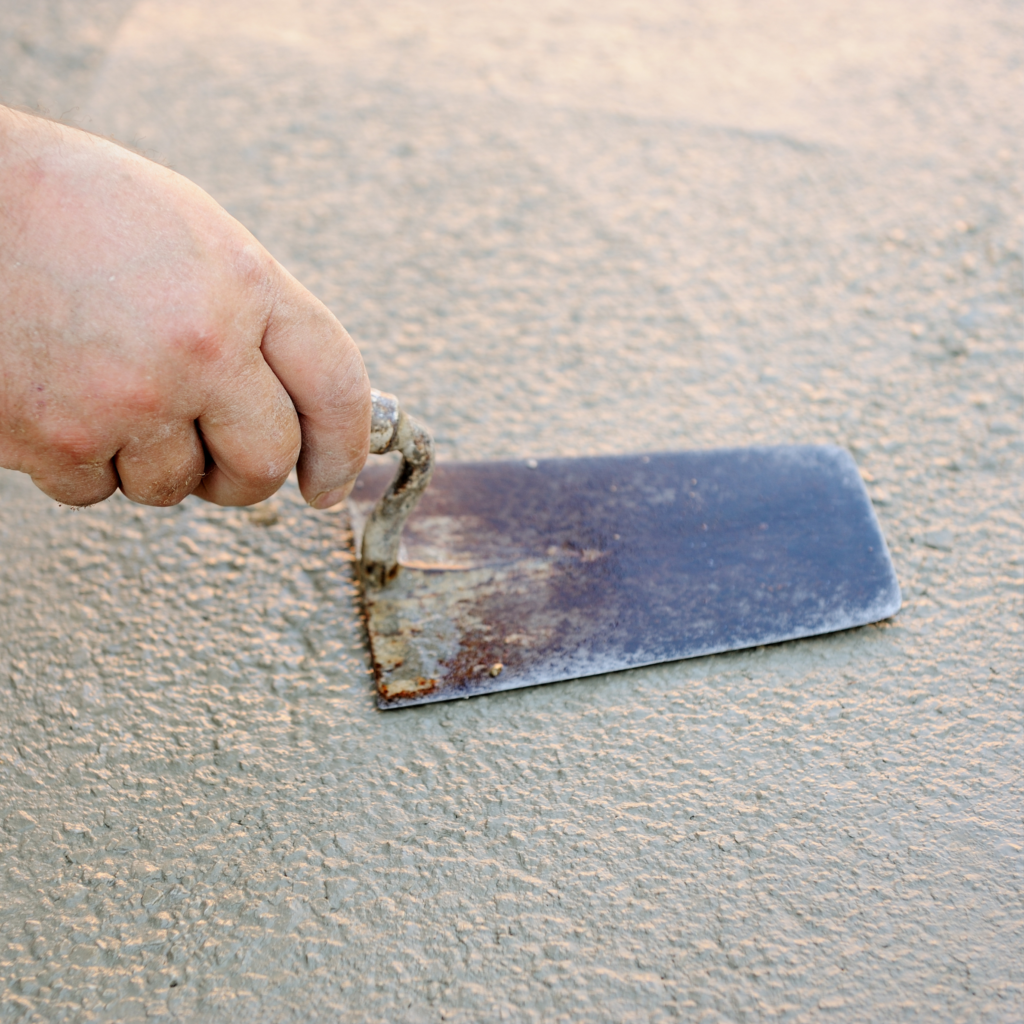
This is the centuries-old method. It consists of a scratch coat, a brown coat, and a finish coat, all made from Portland cement, lime, sand, and water, applied over a metal lath.
- The Good: Extremely hard, impact-resistant, and naturally breathable.
- The Catch: It is rigid. If your home naturally settles over time, traditional stucco is prone to cracking.
Synthetic Stucco (EIFS)
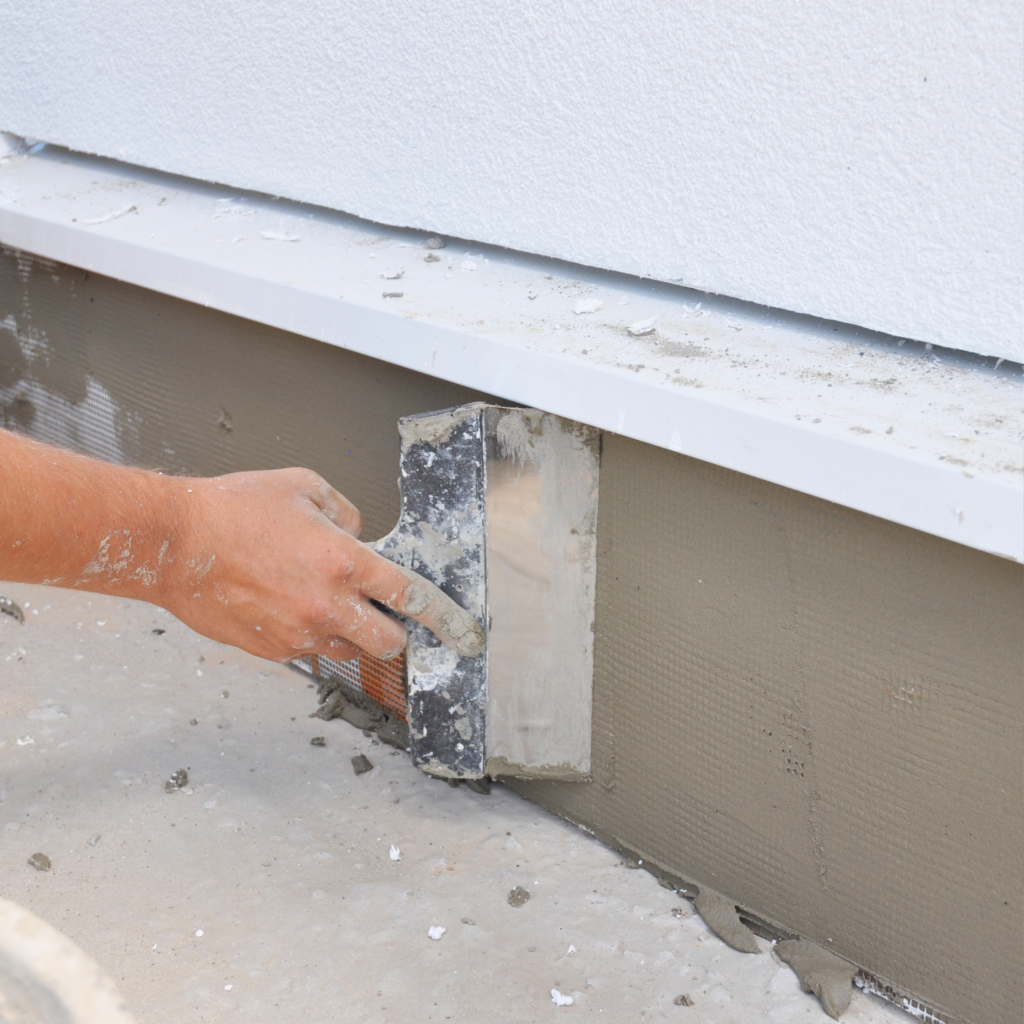
Exterior Insulation and Finish Systems (EIFS) became highly popular a few decades ago. It utilizes lightweight synthetic layers applied over rigid foam insulation boards rather than a cement base.
- The Good: Offers incredible energy efficiency and resists cracking because the synthetic acrylic polymers are highly flexible.
- The Catch: Early EIFS systems were “barrier” designs with no internal drainage planes. If water got behind the foam, it remained trapped against the wood sheathing indefinitely, acting like a wet sponge against your home’s framing.
PA Stucco Boom: A Legacy of Improper Installation
In 2018, a landmark investigation by The Philadelphia Inquirer revealed how thousands of newly built homes across Southeastern Pennsylvania were plagued by poorly installed stucco systems.
Rushed construction, undertrained installers, and improper moisture management left many homes vulnerable to hidden water damage across 55 local ZIP codes.
More than 90,000 new-build homes in the region were constructed with stucco during that period, and inspectors estimated that 80% to 90% of homes with stucco-related failures showed little or no visible damage from the outside.
It’s an issue tons of homeowners are still facing 10 to 15 years down the road from when these homes were built or sold.
But it’s not the stucco’s fault; it’s the installation.
If you still love the classic look of stucco, you don’t have to rule it out for your home, but you must prioritize proper installation.
The Hidden Mistakes
- Missing Weather-Resistant Barriers (WRB): The house wrap underneath the stucco was often missing, improperly lapped, or torn during installation.
- No Drainage Plane: Stucco was slapped flat against the house wrap without a “rainscreen” or gap, leaving water with no path to drain downward and escape out the bottom.
- Flawed Flashing Details: Proper kick-out flashing where rooflines meet walls, and pan flashing around windows and doors, were routinely forgotten.
What Improper Installation Leads To
When these details are skipped, rainwater is funneled directly behind the exterior finish. Over time, this leads to catastrophic, invisible damage:
- “Stucco Tears”: Dark staining that bleeds beneath windows or roof intersections as moisture escapes from behind the stucco.
- Substructural Wood Rot: The plywood or OSB sheathing completely dissolves into a soft mush, compromising the home’s structural integrity.
- Toxic Mold: Spores flourish in the dark, dampness trapped in wall cavities, threatening indoor air quality.
Because fixing these hidden disasters requires stripping the home down to its bare studs, stucco remediation has become one of the most expensive headaches a homeowner can face.
Siding Showdown: How Stucco Compares to the Alternatives
If you are replacing your exterior or building a new home, how does stucco compare to alternatives in terms of cost, maintenance, and durability?
| Material | Price Point | Maintenance Level | PA Climate Performance |
| Stucco | High | High | Demanding; requires perfect installation to prevent trapped moisture. |
| Vinyl Siding | Low to Moderate | Low | Practical and highly forgiving; drains water easily but can crack in extreme winter cold. |
| Fiber Cement (James Hardie) | Moderate to High | Low to Moderate | The Premier Choice. Mimics traditional looks while completely resisting rot, pests, and freeze-thaw cracking. |
| Natural Wood | High | High | Genuinely beautiful but highly susceptible to moisture rot and requires staining every few years. |
| Brick / Stone Veneer | Very High | Low | Exceptionally durable and handles freeze-thaw well, but masonry joints eventually require repointing. |
Let’s Talk About Your Siding Options
Whether you have a few suspicious stains on your current stucco, want to discuss switching to low-maintenance fiber-cement siding, or need an honest evaluation of your exterior’s condition, we are here to provide clear, practical guidance.
We’ll inspect your transitions and roofline flashing, and give you a straightforward assessment of how to protect your home for the long haul.
Contact GP Martini Roofing today for a free, no-pressure estimate on your siding or exterior project.

FAQs
Can I just paint over cracked stucco to seal it?
No. Applying a surface patch or regular paint over a wall that already has internal moisture problems traps the water inside, accelerating wood rot behind the scenes. True remediation or proper localized sealing requires identifying the source of the leak first.
Why is fiber cement siding often recommended over stucco now?
Fiber cement (like James Hardie products) delivers a clean, high-end aesthetic while eliminating the moisture risks associated with stucco. It breathes well, handles the Pennsylvania freeze-thaw cycle flawlessly, and doesn’t rot when exposed to consistent moisture.
Does GP Martini Roofing handle full siding replacements?
Yes. Our teams are fully trained in roofline transitions, flashing details, and complete exterior siding installations—including vinyl, engineered wood, and fiber cement options that protect your home from the foundation to the rafters.
How do I know if my stucco is failing?
Look for cracking, bulging areas where the stucco is pulling away from the wall, or dark brown “stucco tears” directly beneath window sills or where your roof edges meet the walls. If you spot these signs, it’s time to have a professional take a look.