Wood, Fiberglass & Steel: Comparing Door Materials in PA
What You’ll Learn
What door material works best for my Pennsylvania home?
Due to the drastic temperature changes between seasons in Pennsylvania, PA homeowners need something durable that doesn’t sacrifice curb appeal.
This makes fiberglass the best choice. It doesn’t rust, rot, or crack in severe cold weather cycles, and it needs the least amount of maintenance.
In This Blog:
Ryan expected to spend most of his front door shopping time on picking a color.
Instead, every showroom asked the same question: wood, fiberglass, or steel?
They all looked great on display, but Pennsylvania’s weather tells a different story.
The material you choose can make a big difference years down the road.
Why PA Weather Is So Hard on Front Doors
Southeastern Pennsylvania gets a little of everything.
Humid 90-degree summers swell door materials. Winter temperatures cross the freezing line dozens of times, forcing moisture into cracks where it expands as ice.
Add rain, snow, and salt near walkways, and your material choice matters far more here than in a mild, dry climate.
We see the results in the field all the time: steel doors rusting along a forgotten scratch, and wood doors warped until they barely close. The right material prevents most of these problems before they start.
How Door Materials Compare
Let’s compare the three materials on the four factors that matter most: durability, maintenance, appearance, and cost.
Durability
This is where PA weather separates the winners from the losers.
Fiberglass is the toughest all-around performer in a climate like ours. It doesn’t rust, rot, warp, or crack under normal conditions, and it shrugs off humidity and freeze-thaw cycles. It also resists dents and scratches better than steel.
Steel is strong and secure, but it has one big weakness in wet weather. Once the surface gets scratched, whether from keys, pets, or a bumped grill, the exposed metal can rust quickly in Pennsylvania’s damp conditions. Steel doors can also dent, and dents are hard to repair cleanly.
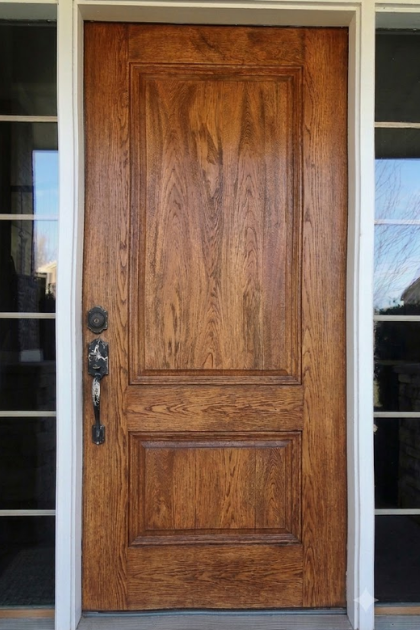
Wood is sturdy when new, but it’s the most vulnerable to our weather swings. Moisture and temperature changes cause wood to rot, warp, or crack over time. A wood door that isn’t sealed and maintained faithfully can fail years before a fiberglass or steel door would.
Maintenance
How much weekend time are you willing to give to your door each year?
Fiberglass needs the least care. An occasional wash and a quick hardware check are usually all it takes. Quality finishes hold up for years without refinishing.
Steel is low maintenance until the finish is damaged. Then you need to sand, prime, and repaint promptly, or rust will spread. Plan on touching up scratches as soon as you spot them.
Wood demands the most work. Expect to sand and refinish or repaint every few years, especially on doors with sun and rain exposure. Skip that schedule and the weather will find every weak spot.
Appearance
Your front door sets the tone for your whole home from the curb.
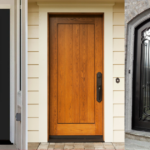
Wood is still the beauty champion. Nothing quite matches the depth and character of real stained wood, which is why high-end homes often feature it.
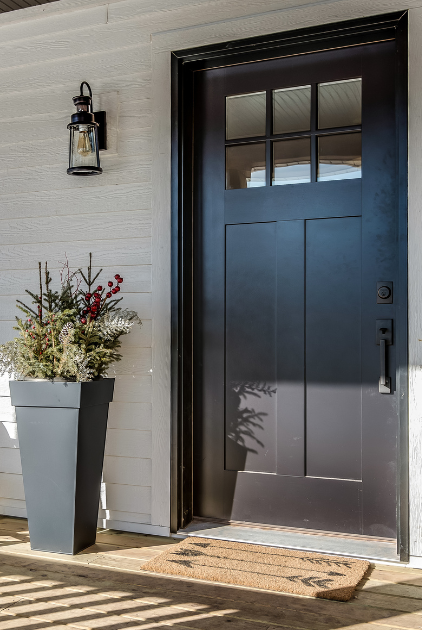
Fiberglass has closed the gap in a big way. Modern fiberglass doors come with realistic wood-grain textures and can be stained or painted. From the curb, many are hard to tell apart from real wood. If a worn front door has been dragging down your home’s look, fiberglass offers the style upgrade without the upkeep.
Steel has a smooth, clean appearance that suits modern homes. It offers fewer style options than the other two, though paint colors give you some flexibility.
Cost
Price differences here show up both at purchase and over the years.
Steel is usually the most affordable option, which makes it popular for tight budgets.
Fiberglass sits in the middle. It costs more than steel up front, but its long life and low upkeep often make it the better value over time.
Wood is typically the most expensive, both at purchase and over the years, once you factor in regular refinishing. Custom wood doors can cost several times more than a comparable fiberglass unit.
One more cost angle worth knowing: an insulated door can trim your energy bills. Fiberglass and steel doors with foam cores hold heat much better than most older wood doors.
The Verdict for PA Homes
For Pennsylvania’s fluctuating and often harsh weather, fiberglass is the clear winner for most homeowners.
It handles humidity, rain, and freeze-thaw cycles without rusting like scratched steel or rotting and warping like wood. It looks great, needs little care, and insulates well.
That said, the other two still have their place:
- Choose steel if budget or security is your top priority and your entry is sheltered by a porch or storm door that limits scratches and moisture.
- Choose wood if authentic character matters most to you and you’re committed to regular refinishing to protect your investments.
| Factor | Fiberglass | Steel | Wood |
| Durability | Best in PA weather; resists rot, rust, and dents | Strong, but rusts where scratched | Rots, warps, and cracks over time |
| Maintenance | Minimal | Low, until the finish is damaged | Refinish every 1 to 2 years |
| Appearance | Realistic wood look, stain or paint | Smooth and modern | Unmatched natural beauty |
| Cost | Mid-range, best long-term value | Most affordable | Most expensive |
Get the Right Door for Your Home
The best front door for PA weather is one matched to your home, budget, and tolerance for upkeep.
For most homeowners here, that points to fiberglass, but an honest look at your entryway is the smartest first step.
Contact GP Martini Roofing today for a free estimate, and let’s find the door that can stand up to Pennsylvania weather for decades.
FAQs
How long does each door material last?
With proper installation, fiberglass doors often last 30 years or more, and many carry limited lifetime warranties.
Steel doors typically last 20 to 30 years, provided the finish stays intact and scratches get touched up quickly.
Wood varies the most, lasting anywhere from 20 years to several decades depending entirely on maintenance.
Will a new front door lower my energy bills?
It can, especially if you’re replacing an old, drafty door. Insulated fiberglass and steel doors with foam cores and fresh weatherstripping cut heat loss at one of your home’s busiest openings.
Many homeowners notice rooms near the entry stay warmer in winter and cooler in summer almost immediately.
Is fiberglass worth the extra cost over steel?
For most Pennsylvania homes, yes. The upfront price gap between the two is modest, and fiberglass avoids the rust risk that comes with scratched steel in our wet climate.
Factor in fiberglass’s longer lifespan and lower upkeep, and it usually costs less over the full life of the door.
What should I ask a contractor before buying?
Ask about warranties on both the door and the installation, and get every promise in writing. Request references from recent local projects, and ask how the crew handles surprises like rotted framing.
Finally, ask about financing options so the project fits your budget without draining your savings.