Understanding Window Ratings: A Beginner’s Guide
What You’ll Learn
What do window ratings mean?
Window ratings measure how well a window performs in various situations. They rate things like keeping heat inside, letting sun through, resisting moisture buildup, and more.
When shopping for new windows, taking the window ratings into consideration will make a difference in how happy you are with the money you spent.
In This Blog:
Mike stared at two identical windows propped on the floor of the showroom.
One cost a little more, but the only obvious difference was the two small stickers covered in differing numbers.
He had no clue how to compare the windows when the numbers meant nothing in his head.
It was only when a salesman approached him that Mike learned about their true meaning.
Those ratings say far more about a window than the glass itself.
What Are Window Ratings?
Window ratings are standardized measurements of a window’s energy performance.
In the United States, they come from the National Fenestration Rating Council (NFRC), which tests and certifies windows so every manufacturer is graded the same way.
That standardization matters. You can compare windows across brands and trust that the numbers mean the same thing. The NFRC label appears on every certified window, and programs use these ratings to decide which windows qualify as energy efficient.
Here in Southeastern Pennsylvania and Northern Delaware, we get cold winters and humid summers. Your windows have to handle both. The ratings below describe how to tell which ones can.
Window Ratings Explained: The 5 Numbers That Matter
The NFRC label lists five main performance factors. Each one measures something different, and each one affects your comfort and your energy bills.
U-Factor: How Well a Window Keeps Heat In
The U-factor measures how well a window holds heat inside your home. It’s the number to watch most closely in a climate with cold winters.
U-factor ratings generally range from 0.20 to 1.20, and lower is better. A lower number means less heat escapes through the glass and frame.
For homes in our region, look for a U-factor of 0.30 or lower. Windows that meet the latest ENERGY STAR standards for our climate zone often score even better.

Solar Heat Gain Coefficient: How Well a Window Blocks Sun Heat
The solar heat gain coefficient, or SHGC, measures how much heat from the sun passes through the window. It’s rated on a scale from 0 to 1, and lower numbers block more solar heat.
In our mixed climate, this one is a balancing act. A lower SHGC, around 0.25 to 0.40, keeps rooms cooler in summer and eases the load on your air conditioner. A slightly higher number can help in winter by letting free heat from the sun warm your home.
Visible Transmittance: How Much Daylight Gets Through
Visible transmittance, or VT, measures how much natural light passes through the glass. It also runs on a scale from 0 to 1, and higher means more daylight.
Most residential windows fall between 0.20 and 0.80. If you love bright, sunny rooms, aim for a VT of 0.40 or higher. Just know that some coatings that block heat also cut down on light, so ask how a window balances the two before you buy.

Air Leakage: How Much Outside Air Sneaks In
Air leakage measures how much air slips through the window assembly, in cubic feet of air per square foot of window. Lower is better here too.
To earn certification, a window must score 0.3 or less, and quality windows often come in well under that mark. A drafty window makes rooms uncomfortable and forces your HVAC system to run longer, even if the glass itself performs well.
Condensation Resistance: How Well a Window Resists Moisture Buildup
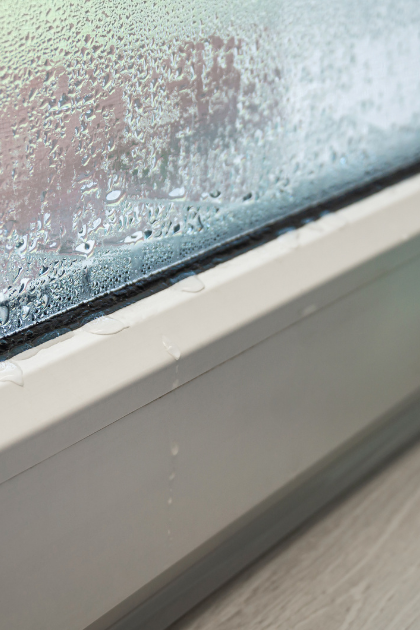
Condensation resistance measures how well a window resists water forming on the interior glass. It’s scored from 1 to 100, and higher is better.
Look for a rating of 50 or above. We see this problem often in older homes across southeastern Pennsylvania, where humid summers and cold winters create big temperature swings between inside and outside. Constant moisture on your windows can lead to mold, damaged trim, and peeling paint over time.
Why Window Ratings Matter for Your Wallet
Windows are one of the biggest sources of energy loss in a home. According to the U.S. Department of Energy, heat gain and heat loss through windows account for a meaningful share of home heating and cooling energy use. Your furnace and air conditioner work overtime to make up the difference, and your utility bill shows it.
Choosing well-rated windows changes that math in a few ways:
- Lower heating and cooling costs: Windows with a strong U-factor and the right SHGC reduce the workload on your HVAC system season after season.
- Longer HVAC lifespan: A system that runs less often lasts longer and needs fewer repairs. That protects one of the most expensive pieces of equipment in your home.
- A more comfortable home: Good ratings mean fewer drafts, fewer cold spots near windows, and steadier temperatures from room to room.
- Better curb appeal and resale value: Old, foggy windows make a home look tired from the street. New ones sharpen its whole appearance, and buyers notice low utility bills even more.
If your home still has original windows from 20 or 30 years ago, the gap is significant. Older single-pane windows can have U-factors three to four times worse than modern certified units.
Ready to Upgrade? Start with a Free Estimate
Understanding window ratings puts you in control.
Instead of guessing, you can choose windows based on real performance numbers built for our Pennsylvania and Delaware climates.
Contact GP Martini Roofing today for a free estimate, and let’s find the right windows for your home and your budget.
FAQs
Do I need to memorize all five ratings?
No, and most homeowners shouldn’t try. For our area, focus on U-factor first, then solar heat gain and air leakage. The other two fine-tune your choice based on daylight and humidity.
Every certified window lists all five numbers on its NFRC label, the white sticker on the glass.
Are ENERGY STAR windows worth it?
Usually, yes. ENERGY STAR certification means a window meets performance standards set for your specific climate zone, so the guesswork is already done for you.
In our region, that generally points to a low U-factor with a balanced solar heat gain number, which suits cold winters and humid summers alike.
Can better windows really lower my energy bills?
Yes, especially if you’re replacing old or single-pane windows. Better insulation and fewer drafts reduce how often your furnace and air conditioner run, and those savings repeat every season.
Exact numbers depend on your home’s size, orientation, and current windows, which is why an in-person assessment beats any online estimate.
What should I ask a contractor besides ratings?
Ask about warranties on both the windows and the installation, and get the coverage in writing. A strong warranty tells you the contractor stands behind their work.
It’s also smart to ask about financing options, so the project fits your budget without draining the savings you’ve worked hard to build.