How to Spot Roofing Damage from Severe Weather
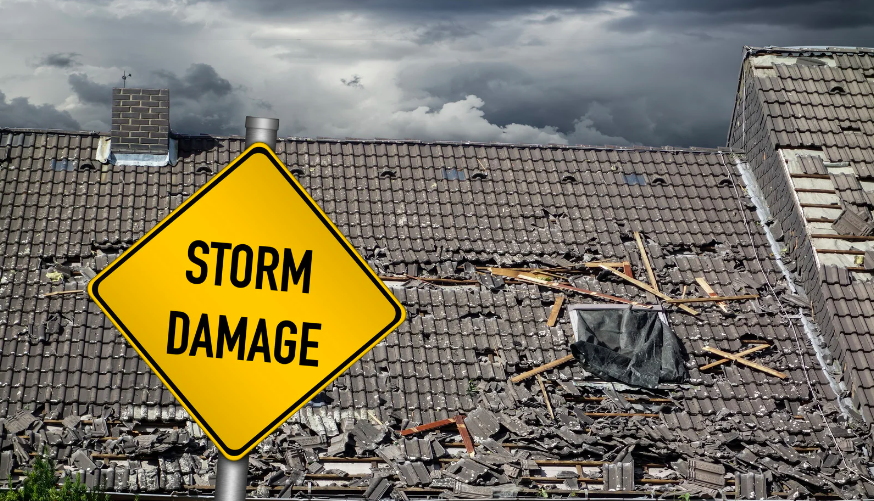
What You’ll Learn
How do I spot roofing damage from severe weather?
There are certain signs to look out for, such as lifted or curling shingles, missing granules, dented flashing, sagging or bent gutters, and stains in your attic. All of these signs can point to more serious damage.
Even if you don’t see these signs, there may still be problems that only a professional can find with a roof inspection.
In This Blog:
You survey your house and breathe a sigh of relief.
A big storm just passed, and you were worried that it would damage your roof.
Luckily, you don’t see any missing shingles or signs of damage.
The reality of roof damage is different, though.
No missing shingles does not always equal no damage.
It’s important to know how to spot potential damage and when to call for help.
Warning Signs of Storm Damage
Even if your roof looks “fine” from the ground, storms can leave behind subtle but serious issues.
There are some common red flags to look for.
Lifted shingles
Strong winds can loosen shingles without blowing them off completely.
Lifted shingles are partially detached from the roof, leaving a noticeable gap.
When shingles are lifted, they no longer form a watertight seal, which leaves your roof vulnerable to leaks.
Missing granules
Asphalt shingles are coated with protective granules that shield against UV rays and weather.
Heavy rain or hail can knock these granules off, leaving “bald spots” that accelerate aging and water damage.
The easiest way to spot missing granules is by looking for small granule piles on the ground near drainage spouts. They appear similar to piles of sand or pebbles.
If you see this, a professional can follow up by looking for discoloration or shiny spots on the shingles where the granules might have come from.
Dented flashing
Flashing around chimneys, vents, and skylights often takes the brunt of hail or flying debris.
Even small dents or cracks in flashing can create pathways for water to seep inside.
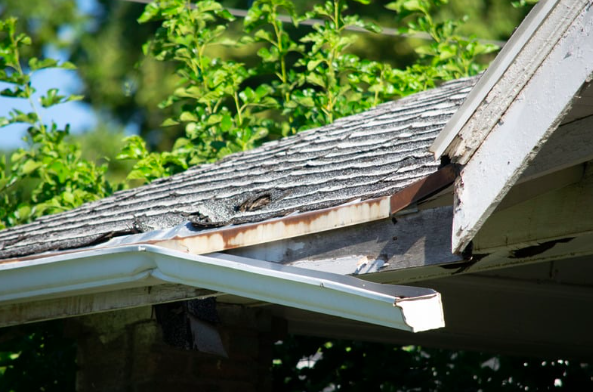
Sagging or bent gutters
Gutters direct water away from your home, but storms can bend, clog, or detach them.
If water isn’t draining properly, it can back up under shingles or pool around your foundation.
If water is spilling over the sides of your gutters when it rains, or if your gutters appear to be sagging during or after rain, there’s likely standing water.
Stains in the attic
One of the clearest signs of hidden damage is inside your home.
Water stains, damp insulation, or musty odors in the attic indicate leaks that may have started small but are now spreading.
Leaks often grow mold as they spread, which compromises your roof’s structural integrity.
Why a “Good-Looking” Roof May Still Be Compromised
Many homeowners assume that as long as their roof isn’t visibly missing shingles, it’s in the clear.
Unfortunately, storms don’t always cause obvious destruction.
It can be small, sneaky, and easy to miss until the problem has worsened.
- High winds can lift shingles just enough to break the seal.
- Hail can bruise shingles, damaging the layers beneath the surface.
- Gutters can shift slightly, causing drainage problems that only show up after the next heavy rain.

By the time leaks or interior water stains appear, the damage has often spread through decking, insulation, and drywall.
That’s why relying on a quick “driveway check” is risky.
The Value of Professional Inspections After Storms
So what’s the solution?
The smartest step a homeowner can take after severe weather is scheduling a professional roof inspection.
Here’s why it matters:
Catch hidden problems early
Roofing professionals know exactly what to look for: loose shingles, granule loss, hairline cracks, punctured underlayment, and compromised flashing.
They can spot damage that’s invisible to an untrained eye, saving you from bigger headaches down the road.
Protect your insurance claim
Insurance companies often require proof of storm damage before covering repairs or replacements.
A professional inspection provides documentation, photos, and reports that strengthen your claim.
Waiting too long can hurt your chances of approval.
Save money in the long run
Addressing storm damage quickly is almost always cheaper than letting problems fester.
For example, replacing a few lifted shingles today costs far less than repairing widespread water damage in your attic six months from now.
Peace of mind
Instead of wondering whether your roof is truly safe, you’ll know for sure.
That peace of mind alone is worth the call.
Prevention and Next Steps for Homeowners
While you can’t stop storms from hitting, you can take proactive steps to protect your home and your budget:
- Schedule a professional inspection after major storms—even if your roof looks fine.
- Keep records of inspections and repairs to support future insurance claims.
- Maintain your gutters and trim back nearby trees to reduce storm impact.
- Consider upgrading to impact-resistant shingles if you live in a storm-prone area.
Your roof is your home’s first line of defense, so give it the support it needs.
Think your roof might have hidden storm damage?
Contact GP Martini Roofing today for a detailed roof inspection starting at $250.

FAQs
What are some signs of storm damage on a roof?
Signs of storm damage include lifted or curled shingles, missing granules, dented flashing, sagging gutters, and water stains in the attic.
Even if shingles aren’t missing, your roof may still be compromised.
A professional inspection helps uncover hidden damage before it leads to costly leaks or structural issues inside your home.
Can my roof be damaged even if I don’t see missing shingles?
Yes.
Storms often cause hidden damage that isn’t obvious from the ground.
High winds can loosen shingles without blowing them off, while hail can bruise the shingle layers beneath the surface.
This hidden damage weakens your roof and may not reveal itself until leaks or interior water stains appear weeks or months later.
Why should I get a professional roof inspection after a storm?
A professional inspection catches hidden damage homeowners usually miss, such as compromised underlayment or small leaks.
It also provides the documentation needed for insurance claims, which helps ensure repairs are covered.
Acting quickly after a storm saves money by preventing minor issues from turning into major repairs or even full roof replacements.