How Weather Affects Your Roof Replacement
What You’ll Learn
How does seasonal weather impact the timing and success of a roof replacement?
Summer can sometimes be too hot, causing unsafe conditions or issues with the shingles. Winter, likewise, can also cause unsafe conditions for workers with ice and snow. Spring and fall are the best times for roof work due to their milder weather conditions.
In This Blog:
Your roof is combatting it all.
Whether it’s frigid temperatures during the Chester County winter, scorching summer heat, or an unexpected spring hail storm.
Unfortunately, that same weather can also cause a huge scheduling headache when it comes to having your roof repaired or replaced.
Understanding the significant role seasonal weather plays in roofing projects will help you navigate the process more effectively and ensure your roofing projects are completed without major delays.
When Repairs Can’t Wait for Good Weather
While it’s important to take into account the weather when scheduling your roof repairs or replacement, ignoring the damage to your roof creates a risk for further damage.
If the weather isn’t favorable, contact a professional roofer anyway; temporary fixes can be implemented until more extensive work can be done when weather conditions improve.
Summer: Popular for Roofing Projects
The scorching summer months can make your roof unsafe for contractors and affect the materials used.
For example, asphalt shingles become more pliable in high temperatures, making them susceptible to damage during installation. Your roofer will have to take extra precautions to handle materials properly and minimize thermal expansion issues.
Additionally, there is the risk of summer thunderstorms, which can lead to major safety concerns for both the roofers and you.
Late summer is generally one of the busiest times for roofing projects. When temperatures begin to drop, they continue into fall.
Fall: Moderate Weather and Winter Preparation
Fall is another optimal season for roof repairs or replacements.
Weather conditions are generally favorable, with moderate temperatures and reduced chances of extreme weather events.
The main and only obstacle: falling leaves.
Leaves can be a nuisance during your roof repair or replacement but can be easily managed with consistent clean-up by your roofer.
Completing your roofing project in the fall also means that you have addressed any issues before the harsh winter arrives.
Spring: The Best Time for Roof Repair or Replacement
Spring is often considered an ideal season to tackle residential roofing projects.
Moderate temperatures and milder weather conditions offer a comfortable working environment for roofing professionals and make it easy to keep work on schedule.
However, spring is the rainy season, and the risk of moisture entering your unfinished roof is a major challenge.
Additionally, springtime allows for the availability of skilled contractors who are in high demand during the busier summer months.
Winter: Heavy Limitations for Roofing Projects
Similar to the effects of extremely high temperatures, cold temperatures can affect the roofing materials, making them more brittle and prone to damage.
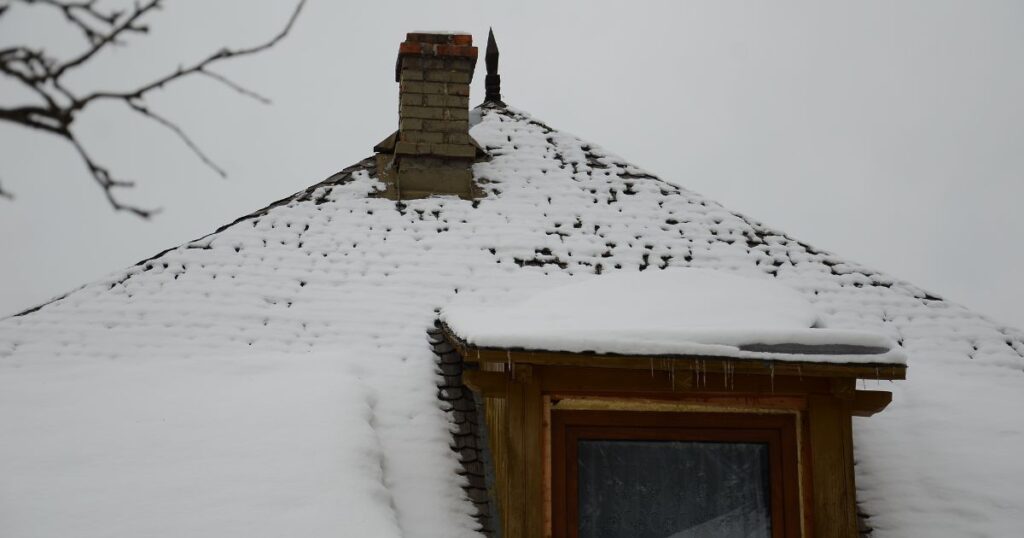
The obvious obstacle is the potential for heavy snowfall and/or ice buildup.
Ice and snow will halt any roofing projects and delay them heavily, as workers can’t continue until the ice or snow has thawed.
Tips for Choosing the Right Season for Your Roofing Project
Always consult with a professional roofing contractor as soon as possible. The roofer will conduct an inspection of your roof’s condition, evaluate the scope of repairs or replacements needed, and offer guidance on the most suitable season for the work. With their guidance, you can:
- Evaluate Your Specific Roofing Needs: With inspection, your roofer will know the extent of repairs required and the urgency of the situation. If you’re dealing with minor repairs, you’ll have more flexibility in scheduling. However, if your roof repair or replacement is critical, your roofer might suggest getting started as soon as possible, putting temporary fixes in place until the weather improves, or scheduling during a season they know they won’t have major disruptions.
- Determine Availability: The busy summer season is often in high demand for roof repairs and replacements, which may lead to longer wait times and potentially higher costs, while spring and fall can be less hectic.
The professional you consult with can give you insight on their availability and if needed, allow you to book in advance to secure services.
Be Prepared to Be Flexible
The unpredictable nature of weather means that even a roofing project scheduled well in advance, during ideal seasons, can be disrupted.
Always be prepared to be flexible with your roofer.
If a storm is going to impact your scheduled day, your roofers may rework their schedule to accommodate. They might plan to come earlier to avoid further damage during the storm or push back your project for a few weeks.
Start Your Roofing Project at the Right Time—Contact us for a Free Estimate
Scheduling around the unpredictable Chester County weather isn’t easy.
Our team of professional roofers will help you get ahead by providing you with a detailed, reliable estimate on your roofing needs.
Contact us today for a free estimate on your roofing project.

FAQs
Why is spring often considered the ideal time for a roof replacement?
Spring offers moderate temperatures and mild weather, providing a comfortable working environment that helps keep the project on schedule.
Additionally, scheduling in the spring allows homeowners to secure skilled contractors before the peak demand of the busy summer and fall seasons begins.
How do extreme summer heat and winter cold affect roofing materials during installation?
Extreme temperatures alter the physical properties of roofing materials, particularly asphalt shingles. In scorching summer heat, shingles become overly pliable and soft, making them highly susceptible to scuffing or damage during installation if extra precautions aren’t taken.
Conversely, freezing winter temperatures make shingles brittle and prone to cracking when handled or nailed down. Heavy snow and ice also pose severe safety hazards that will entirely halt a project until conditions thaw.
What should I do if my roof needs an urgent replacement but the current season’s weather is bad?
You should never ignore severe roof damage just because the weather isn’t ideal. Putting off needed repairs creates a high risk for extensive structural and interior water damage.
Instead, contact a professional contractor immediately. They can assess the damage and implement temporary fixes—such as secure tarping or emergency patches—to protect your home until favorable weather allows for a complete, permanent roof replacement.