Beware the Storm Chasers: Protect Your Home from Roofing Scams
What You’ll Learn
How can I protect my home and insurance claim from fraudulent contractors after a storm?
Know the red flags: unsolicited offers, high-pressure tactics, and out-of-state contractors.
Always verify licenses and local references, and work directly with your insurance company to ensure repairs are done right and with a valid warranty.
In This Blog:
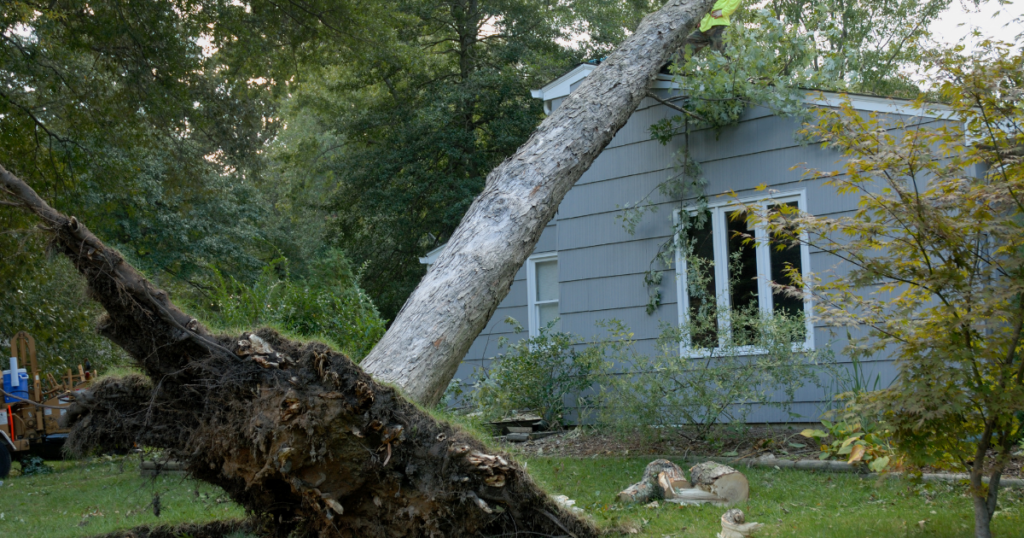
There’s a branch through your ceiling as the storm rages outside. You’re panicking, and you don’t know what to do.
All of a sudden, there’s a knock on your door, and a “local roofer” is offering you their repair services.
Perfect timing? Not at all. This a scammer: a storm chaser roofer (and not the cool kind that follows tornadoes).
Who Are Storm Chaser Roofers?
- Individuals or companies that follow extreme weather events, such as hurricanes, to offer their services to homeowners in need.
- They set up shop in disaster-stricken areas under the pretense of being local roofing companies.
- These “roofing cowboys” swoop into town with promises of quick fixes and restoration, preying on homeowners’ urgent need for help.
- Storm chaser roofing companies are not licensed to operate in the affected state.
Their primary goal is to capitalize on the chaos, make a quick buck, and leave before they are held accountable for subpar work or legal issues.
Watch this video to learn more about the dangers of storm chasers.
The Roofing by Storm Chasers Scam
Storm chaser roofers operate using a well-practiced playbook, and their scam unfolds in several stages:
Arrival in the Disaster Zone
When a major storm strikes, storm chaser roofers act quickly, journeying from distant states to reach the affected area.
They position themselves as heroes, poised to provide immediate help.
Pretending to Be Local
To win the trust of homeowners, they don the cloak of local roofing companies.
This charade involves adopting the very name of the disaster-stricken area, even using local phone numbers.
Door-to-Door Solicitation
Once they’ve woven their deceptive web, storm chaser roofing companies take to the streets, knocking on doors and offering their roofing services.
They’ll embellish the extent of the damage, making you believe that your roof is on the brink of collapse. False claims, like structural disasters being imminent, are made to rush homeowners into snap decisions.
Quick Repairs
Once they secure a contract, storm chaser roofers jump into action, working at breakneck speed to carry out repairs or replacements.
However, this haste raises questions about the quality and thoroughness of the repairs.
Departure
Having received their payment and wrapped up the repairs, these contractors disappear as fast as they arrived.
This exit strategy leaves unsuspecting homeowners in a state of uncertainty. It’s when the real problems begin for these homeowners, as they uncover issues with:
- the work
- shoddy craftsmanship
- a distinct lack of accountability for these unlicensed contractors
The Legal Conundrum
The major issue with storm chaser roofing companies is their lack of proper licensing in the states where they operate. Homeowners are left in the lurch when issues arise post-repair, as the storm chaser roofers are difficult to track down and hold accountable. Here are the legal complications:
- When unlicensed contractors work on your roof, there’s a hidden risk: your warranties become void.
- The haste that unlicensed contractors display results in more than just speedy work—it also leads to unsafe or subpar craftsmanship.
Insurance Coverage for Roofing by Storm Chasers
Storm chaser roofing services are typically covered by insurance and bill your insurance company directly.
However, the contractors inflate the costs, leading to overbilling, which affects your premiums.
Additionally, if your insurance doesn’t fully cover the work, you’ll be responsible for the remaining costs.
Some policies have deductibles that you are responsible for before insurance coverage kicks in.
Avoiding Storm Chaser Roofing Scams
Protecting yourself from storm chaser roofers is crucial, especially during the chaos following a major storm. Here are the steps to take:
- Research Local Contractors: Before a storm hits, research and establish a relationship with a local roofing company that has a good reputation and is licensed in your state.
- Verify Licenses: Ask for proof of the contractor’s license and insurance. This helps ensure that the contractor is legitimate and accountable.
- Check Reviews and References: Look for reviews and references from previous customers. A reputable company should have a track record of quality work and satisfied clients.
- Be Wary of Door-to-Door Solicitation: Avoid making hasty decisions. Do not feel pressured by unsolicited offers that arrive immediately after a storm.
- Read Your Insurance Policy: Familiarize yourself with your insurance policy to understand what is covered and what is not. If you have questions, consult your insurance company.
- Get Multiple Quotes: Seek multiple quotes for the repair work and compare prices and the scope of services offered.
- Report Suspected Storm Chaser Roofing Companies: If you encounter a storm chaser roofer, report them to your local authorities. Your actions help prevent other homeowners from falling victim to scams.
Trust GP Martini Roofing Before and After the Storm
Anything dealing with your roof is an investment into your safety, comfort, and the integrity of your home.
Don’t settle for anything less. Investing in something meant to last years isn’t a decision that should be made in haste.
GP Martini Roofing is here to serve you all year round. We’re licensed to operate in Pennsylvania for all of your roofing repair and replacement needs.
Request a free estimate with GP Martini Roofing today!
FAQs
What exactly is a “storm chaser” roofer?
A storm chaser is an unlicensed contractor who travels to areas hit by severe weather.
They often pose as local companies, use high-pressure sales tactics at your door, and perform quick, subpar work before leaving town, making them impossible to hold accountable.
How can I tell if a roofing contractor is legitimate?
Always ask for proof of a state license and local insurance.
Check for a physical business address (not just a P.O. box), read online reviews, and ask for references from local projects.
A reputable roofer will never rush you into signing a contract on the spot.
What should I do if a contractor shows up uninvited after a storm?
The safest move is to politely decline any on-the-spot offer.
Do not sign anything or make a deposit. Instead, take their information and tell them you will check their credentials.