Siding Warping: Why Your Home’s Shield is Failing and How to Fix It
What You’ll Learn
Is warped siding a serious problem?
Warped siding is a serious red flag. It signals that your home’s primary weather barrier is compromised, allowing moisture and air to penetrate.
Left unchecked, this can lead to rot, mold, and pricy fixes beyond replacing your siding.
In This Blog:
You’re bringing in your groceries when you see it.
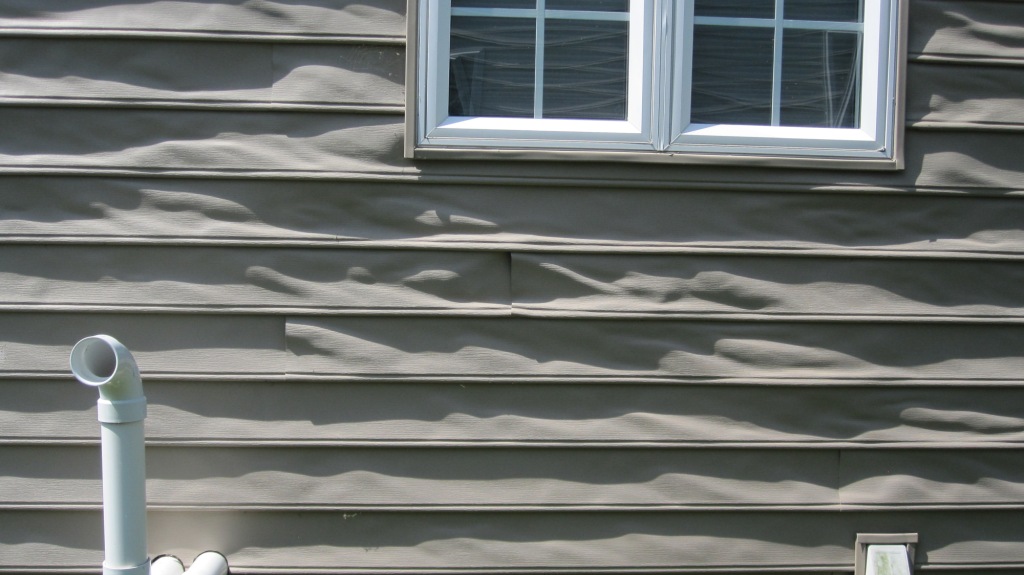
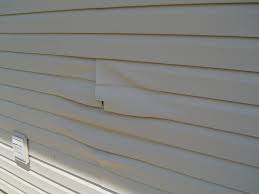
A wave in your home’s vinyl siding that wasn’t there last fall.
You put the bags down, and run your hand over it.
Southeastern Pennsylvania weather doesn’t forgive weaknesses.
That warp is a warning sign. It means your home’s first line of defense against rain, wind, and cold is failing.
The Effects of Damaged Siding
Ignoring that wave or buckle is a costly mistake.
Siding is your home’s shield. When it warps, cracks, or pulls away, that shield develops gaps.
Vinyl siding is not waterproof—it relies on a water-resistive barrier (housewrap or felt paper) behind it to keep sheathing dry. If that barrier is missing or if flashings are compromised, the wood sheathing and studs can become saturated.
The result is rot, mold growth, and insect infestations. What starts as a single warped panel can become an expensive structural repair.
But just patching over the root cause means you’ll be back out here next year, frustrated, fixing another one.
You need a permanent solution, not a band-aid.
Why Siding Fails
Understanding why your siding failed is the first step to fixing it for good. Here are the four most common culprits.
Improper Installation
Vinyl siding is designed to move. It expands with summer heat and contracts in winter cold. For this to happen smoothly, it must be installed with precise gaps and hung loosely on the nails.
A rushed or inexperienced installer can nail the panels too tightly. This “locks” the siding in place.
When it tries to expand, it has nowhere to go but outward, creating a permanent buckle or wave. This installation error is the leading cause of premature siding failure.
Nearby Heat Sources
Sometimes, the heat threat comes from your own backyard. A grill, fire pit, or outdoor heater placed too close to the house can emit enough heat to melt or warp vinyl siding in a single afternoon.
The damage is often localized right above or beside the heat source, a clear clue to the cause.
Heat Exposure
Your siding battles intense sun every day. South and west-facing walls take the brunt of this solar assault.
Over the years, prolonged, direct heat can slowly soften and distort vinyl siding, especially lower-quality or darker-colored panels.
The problem can be amplified by your own home. Sunlight reflecting off high-efficiency, low-emissivity windows can concentrate heat on a specific spot, dramatically speeding up the warping process.
Moisture Intrusion
If water gets behind the siding—through a missing piece of flashing, or a crack—it soaks the wood sheathing.
The wet wood swells. As it expands, it pushes against the back of the siding panels with steady, relentless pressure, forcing them to bow outward.
You see the warp, but the real damage is hidden behind it, rotting the structure of your home.
Fixing the Warped Siding
You have options. The right fix depends on the cause and extent of the damage.
Minor Changes to Prevent Recurrence
Move each of the following at least 3 feet away from your home’s exterior walls to avoid heat warping your siding:
- Grills
- Fire pits
- Other heat sources
This instantly eliminates a major, controllable risk factor.
Quick Fixes for Existing Siding
For minor, localized warping, a professional can often replace individual damaged panels and reinstall adjacent ones with the proper loose-nail technique and expansion gaps.
They will also check and repair all flashing and seals around windows, doors, and corners to stop moisture intrusion at its source.
The Long-Term Solution
If your siding is failing due to prolonged exposure to heat or you’re simply tired of vinyl’s limitations, it’s time to consider a more durable material.
Fiber cement siding is engineered for this. It is:
- Non-combustible and heat-resistant, completely unaffected by sun reflection or nearby grills.
- Resistant to rot, termites, and moisture, eliminating the core threat of swelling wood.
- Lasts 30 to 50 years.
It’s the definitive upgrade for homeowners who want to solve the problem once and never worry about it again.
If you’re curious about other siding types and would like to compare their longevity, read our blog Siding That Lasts: Balancing Cost, Durability, and Value.
Don’t Let a Small Warp Become a Big Problem
That slight wave in your siding is your home asking for help.
You can ignore it and hope for the best, or you can take control and secure your home’s future.
Stop worrying about what’s hiding behind your walls.
Let our experts provide a clear, honest assessment of your siding and a solution that keeps your home safe in the long term.
Contact GP Martini Roofing today for your free siding estimate.
FAQs
Can I fix a warped vinyl panel myself?
No. Forcing it back can crack it or damage the locking mechanism.
The warp is a symptom of a deeper issue (tight nailing, heat, moisture). A professional must address the root cause before repairing or replacing the panel.
My siding only warps near my grill. Is that the cause?
Almost certainly. Heat from grills, fire pits, and outdoor heaters can easily exceed vinyl’s tolerance. The fix is to immediately move the heat source at least 3 feet away from the house, then replace the damaged panels.
How can I tell if moisture is causing the warping?
Look for other clues: soft or rotting wood near the warp, peeling paint on the inside of the adjacent wall, or a musty smell. A professional can use a moisture meter to detect water trapped behind the siding definitively.
Does fiber cement siding really not warp?
Fiber cement is stable and resistant to the factors that cause vinyl to warp. It does not expand and contract with temperature like vinyl, and it is resistant to the moisture that causes wood to swell. It is designed as a permanent solution.