Are Your Windows Costing You Money? Signs of Inefficient Windows
What You’ll Learn
How can I identify if my windows are inefficient?
Inefficient windows often show warning signs long before homeowners realize how much energy they’re losing. Drafts, rising utility bills, condensation between panes, and difficulty opening or closing windows can all point to failing seals, aging materials, or poor insulation.
In Pennsylvania’s climate, those issues can quietly increase heating and cooling costs month after month.
In This Blog:
The house never seemed comfortable anymore.
No matter what Greg did with the thermostat, certain rooms always felt off. In the winter, the living room stayed chilly even when the heat was running. In the summer, the upstairs felt warm and stuffy long after the air conditioner kicked on.
At first, he blamed the weather. Then the HVAC system.
But one cold morning, he walked past the living room window and felt a steady draft coming through the frame.
That’s when he started connecting the dots.
The problem wasn’t the furnace or the air conditioner.
It was the windows.
Inefficient Windows Can Account for 25–30% of a Home’s Energy Loss
Windows naturally weaken as they age, and because the decline happens gradually, the extra cost often goes unnoticed for years.
Seals break down. Frames shift slightly. Weatherstripping wears out. Glass loses insulating performance. Even small gaps allow outside air to enter and conditioned air to escape.
In Pennsylvania, where homes face freezing winters, humid summers, and constant seasonal temperature swings, inefficient windows force HVAC systems to work harder nearly year-round.
That means:
- Higher heating bills in winter
- Higher cooling bills in summer
- Less consistent indoor temperatures
- Reduced comfort throughout the home

The Most Common Signs Your Windows Are Wasting Energy
1. Noticeable Drafts
One of the clearest warning signs is feeling cold air near windows in the winter—or warm air in the summer.
Drafts usually mean:
- Worn weatherstripping
- Failed seals
- Gaps around the frame
- Poor installation
Even small air leaks can significantly affect energy efficiency over time.
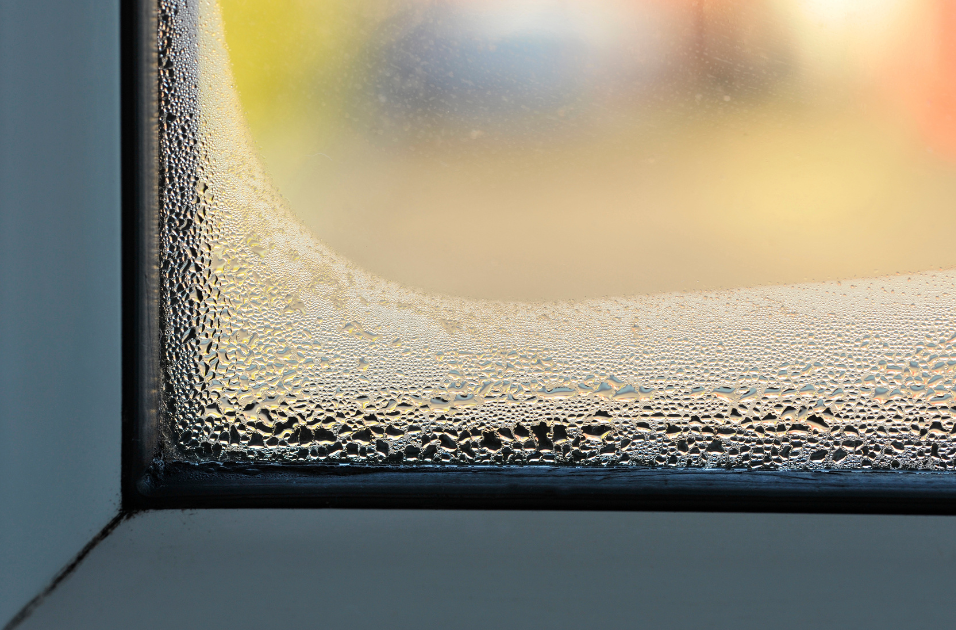
2. Condensation Between Glass Panes
Modern double- and triple-pane windows rely on sealed insulating spaces between the glass.
If you notice fogging or condensation inside the panes, the seal has likely failed. Once that happens, the window loses much of its insulating performance.
3. Difficulty Opening or Closing Windows
Windows that stick, jam, or won’t lock properly may indicate:
- Frame warping
- Moisture damage
- Foundation shifting
- Age-related deterioration
Beyond convenience, these issues often affect energy efficiency because the window no longer seals tightly.
4. Increased Outside Noise
If outside traffic, wind, or neighborhood noise suddenly seems louder, your windows may no longer be insulating effectively.
Energy-efficient windows also help reduce sound transfer, so increased noise can be a sign that insulation performance has declined.
5. Hot Spots on the Floor or Near Windows
A strong sign that your windows aren’t insulating properly is noticing unusually hot areas on floors, furniture, or walls where direct sunlight comes through.
Older or inefficient windows often let in too much solar heat, especially during Pennsylvania summers.
6. Damaged or Deteriorating Frames
Cracked wood, soft spots, peeling paint, or visible frame damage often indicate moisture intrusion and age-related wear.
Damaged frames not only reduce energy efficiency but can also eventually lead to water damage around the window opening.
7. Rising Energy Bills
Rising utility bills are one of the hardest to identify clearly.
Heating and cooling costs naturally fluctuate with weather, energy prices, and seasonal temperature swings, so most homeowners don’t immediately connect higher bills to their windows.
If you want to analyze whether your windows are contributing to higher costs, summer is often the easiest time to spot the pattern.
Poorly insulated windows allow significant solar heat into the home, which can cause cooling systems to run constantly during hot weather, even when thermostat settings haven’t changed much.
Small Fixes That Can Help with Inefficient Windows
Not every inefficient window needs to be replaced immediately. In some cases, targeted improvements can temporarily reduce energy loss.
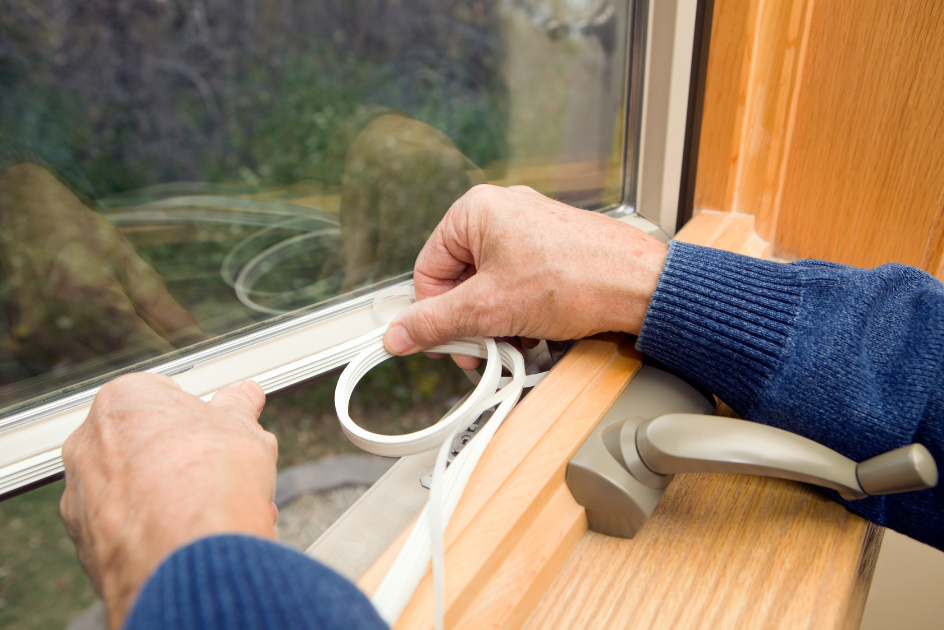
Caulking and Weatherstripping
Replacing worn weatherstripping and resealing gaps around windows can reduce drafts and improve insulation.
Window Coverings
Insulated curtains or cellular shades help reduce heat loss in winter and block solar heat gain during summer.
Solar Control Window Film
Window film helps reduce heat transfer and glare during warmer months, easing strain on your cooling system.
When Window Replacement Makes More Sense
Temporary fixes only go so far.
If your windows have:
- Failed glass seals
- Rotting frames
- Significant drafts
- Repeated condensation
- Operational issues
…it may be more cost-effective to replace them entirely.
Modern energy-efficient windows provide:
- Better insulation
- Lower monthly utility costs
- Improved indoor comfort
- Reduced outside noise
- Better UV protection
- Increased home value
For many Pennsylvania homeowners, replacement windows pay off through a combination of energy savings, comfort, and long-term durability.
Stop Letting Old Windows Drain Your Energy Budget
If your home feels drafty, noisy, or harder to heat and cool than it used to, your windows may be costing you more than you realize every month.
Contact GP Martini Roofing for a free window estimate. We’ll evaluate your windows, explain your options honestly, and help you improve your home’s comfort and efficiency.

FAQs
How much can old windows increase energy bills?
Old or inefficient windows can account for roughly 25–30% of a home’s heating and cooling energy loss. Drafts, failed seals, and poor insulation force HVAC systems to work harder year-round.
Can I improve my windows without replacing them?
Sometimes. Caulking, weatherstripping, insulated window coverings, and solar control film can temporarily improve efficiency. However, windows with failed seals or structural damage are usually best replaced.
How do I know if my window seal has failed?
Condensation or fog trapped between glass panes is one of the clearest signs. Once the seal fails, insulating gas escapes, and the window loses efficiency.
Are new windows really worth the cost?
For many homeowners, yes. Modern energy-efficient windows reduce drafts, improve comfort, lower energy bills, and increase home value—especially in climates with hot summers and cold winters like Pennsylvania.