Why Your Siding May Be Buckling in the Heat
![Blog Images [GPM] (44)](https://eadn-wc03-9721172.nxedge.io/wp-content/uploads/Blog-Images-GPM-44-1024x538.png "Blog Images [GPM] (44)")
What You’ll Learn
How can I fix warped siding on my home?
Warped siding is often a sign that your home’s exterior system is under stress from improper installation, extreme solar reflection, or localized heat.
You can address these issues by moving heat sources, adding strategic shade, and replacing damaged panels.
However, a professional evaluation is essential to ensure your home remains watertight and to confirm that the underlying installation isn’t failing.
In This Blog:
Coffee in hand, a small space heater on, and her chair rocking softly, Talia was enjoying a chilly sunset on her porch in Chester Springs.
As the darkness settled in, she turned and switched on the porch lights.
“Ah,” Talia uttered, a mix of disbelief and mild frustration.
The space heater had been slowly warping a few panels of her vinyl siding.
She turned it off, finished her coffee, and went inside—leaving herself a note on the fridge to call the siding tech in the morning.
Talia caught the damage early, so only a few boards will likely need replacing. But this is just one of the many causes of siding damage.
Knowing what to look for can help you catch these issues early and avoid more costly repairs down the line.
5 Common Causes of Siding Damage
While high-quality siding is designed to be durable, the intense heatwaves we experience in Southeastern Pennsylvania can push even good materials to the limit.
If you’ve noticed ripples, waves, or “buckling” on your home’s exterior, it’s usually due to one of these five factors:
Improper Installation
This is the most common cause we see.
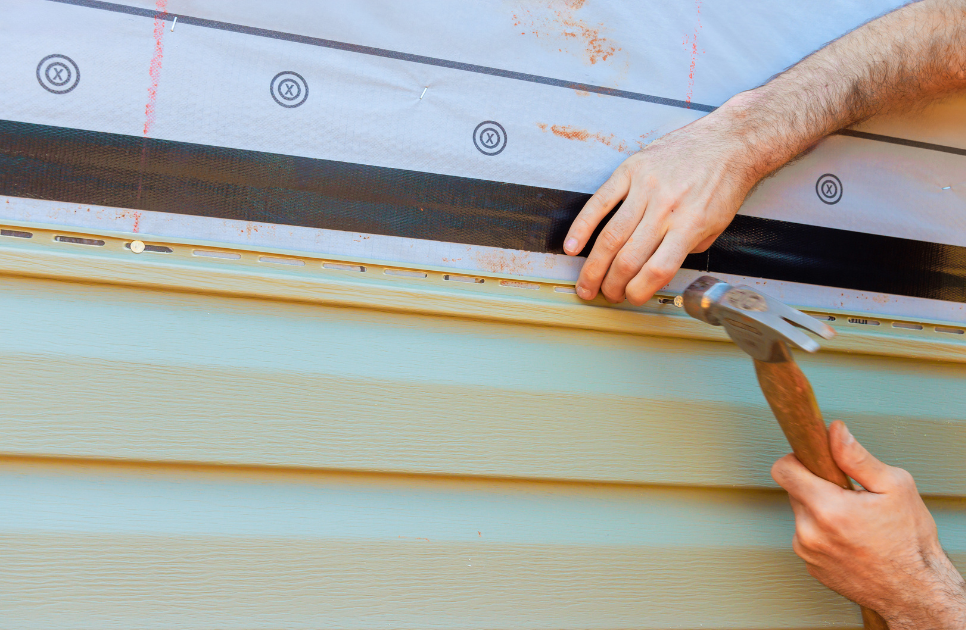
Vinyl siding is designed to expand and contract as temperatures shift. To allow for this, it must be “hung” on the nails rather than pinned tightly to the wall.
If an installer hammers the nails in too far, the siding has no room to move, causing it to bow and warp as it heats up.
Reflected Heat
Sometimes the heat isn’t coming from the sun alone.
High-efficiency (Low-E) windows on your own home—or even your neighbor’s—can reflect sunlight like a magnifying glass.
This concentrated beam can reach temperatures far beyond what the siding was manufactured to handle.
Proximity to Heat Sources
It’s easy to forget that your siding is sensitive to localized heat.
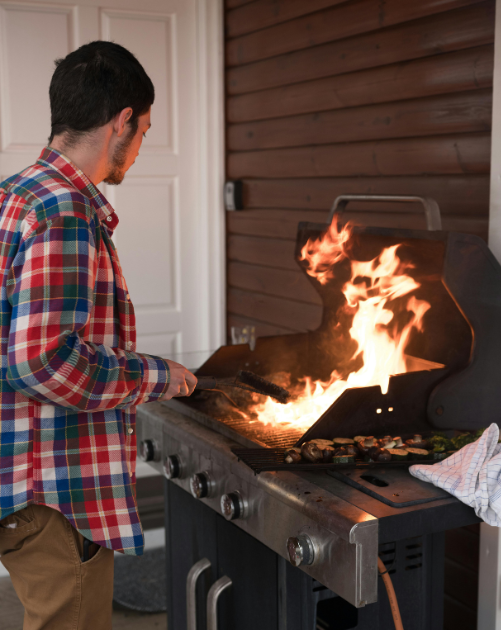
Placing a BBQ grill, fire pit, or even a powerful patio heater too close to the house can cause permanent thermal distortion in a matter of minutes.
Aside from general fire safety, this is also why you should always keep heat sources like these 10-15 feet away from the home.
Darker Colors & Solar Absorption
Deep charcoals, navys, and forest greens are beautiful and high-contrast, but they absorb thermal energy much faster than lighter shades.
To manage the melting heat of the summer sun, these darker panels require expert installation.
Direct Sun Exposure
South-facing walls are the “front lines” of your home’s exterior.
Constant, direct exposure to the afternoon sun can accelerate the aging of the material, especially if the siding wasn’t rated for high UV resistance.
What to Do if You Notice Siding Damage
If you spot warping, don’t wait for the next storm to see if it causes a leak. Here is how to handle it:
Clear the Area
Immediately move grills or heat-generating appliances at least 10 feet away from your siding.
Add Shade
If the damage is minimal and caused by sun exposure, planting tall shrubs or installing an awning can provide the shade needed to prevent the rest of the wall from warping.
Replace Affected Sections
Siding is a protective system. Once a panel is warped, it can create gaps that allow moisture to seep behind the barrier. Replacing these sections promptly is essential to preventing costly water damage.
Audit the Installation
Check your warranty and have a professional look at the nailing pattern. If the warping is due to improper installation (pinning the panels too tightly), it may be covered, or it may indicate that the rest of the house is at risk.
Quick Guide to Prevent Siding Damage
While not every issue can be avoided, a few simple steps can go a long way in protecting your siding:
- Keep grills, fire pits, and heaters a safe distance from your home.
- Pay attention to reflected sunlight from windows, especially after upgrades.
- Consider lighter siding colors in areas with strong sun exposure.
- Work with experienced installers who follow manufacturer guidelines.
Why a Siding Inspection is Recommended
If you’ve moved your grill or planted a new shrub to shade a “hot spot,” you might think the problem is solved.
However, warped siding is rarely just a cosmetic issue. Once a panel has buckled or pulled away from the wall, the precision seal of your home’s exterior is broken.
Even minor warping can create small gaps that allow moisture to seep behind the siding.
Over time, this leads to hidden wood rot and mold that can cost thousands to fix.
Furthermore, if the warping was caused by “tight” nailing, it’s likely a ticking time bomb for the rest of your house.
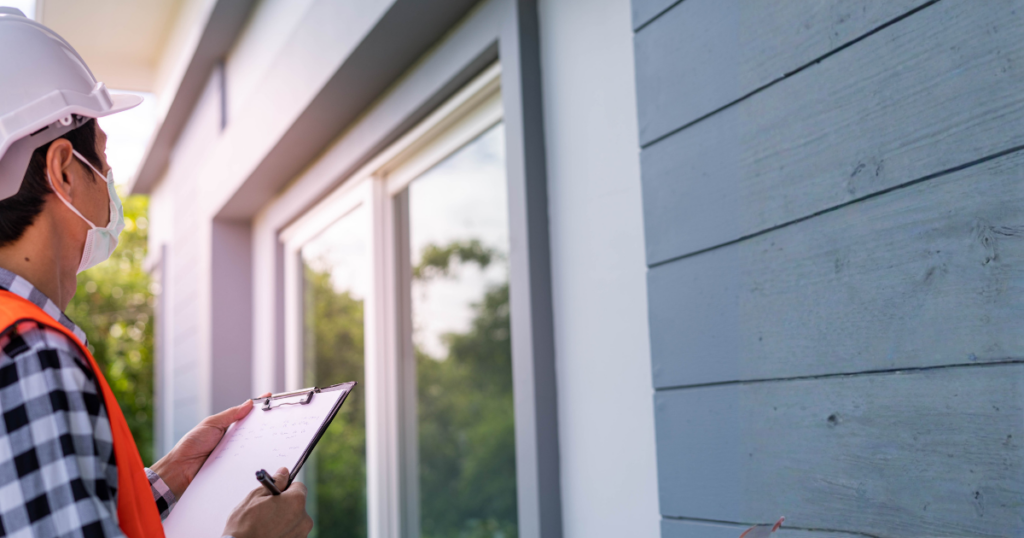
A professional siding inspection ensures that your home’s “first line of defense” is still intact and that a temporary heat wave hasn’t caused permanent, hidden structural vulnerability.
Protect Your Investment with GP Martini Roofing
At GP Martini Roofing, we treat your siding like a precision system.
Our team follows manufacturer-prescribed methods to ensure your home withstands the diverse Pennsylvania climate.
Whether you’re worried about recent warping or looking to upgrade to a more durable, energy-efficient solution, we provide the meticulous craftsmanship and transparent guidance you deserve.
Contact GP Martini Roofing for a free siding estimate today.
FAQs
Why is my vinyl siding starting to look wavy?
Wavy siding is typically a sign of thermal expansion gone wrong.
This often happens if the panels were nailed too tightly during installation, preventing them from sliding as they heat up.
In SE Pennsylvania’s hot summers, this lack of movement forces the material to buckle, resulting in a distorted, wavy appearance.
Can a neighbor’s windows melt my house siding?
Yes, it is a common issue known as “reflected heat.”
High-efficiency Low-E windows can act like a magnifying glass, reflecting a concentrated beam of sunlight onto your home.
This intense, redirected energy can exceed the melting point of your siding, even if the temperature isn’t excessively high that day.
Does dark-colored siding warp more easily than light colors?
Yes, it does. They absorb significantly more solar energy than lighter tones.
To prevent warping, these dark shades require high-quality materials and precision installation by professionals who understand how to manage increased thermal expansion and contraction.
How far should a grill be from my siding to prevent melting?
To protect your home’s exterior, you should keep BBQ grills, fire pits, and space heaters at least 10 feet away from your siding.
Modern vinyl is resilient, but the localized heat from a grill can cause permanent warping or melting in minutes, compromising your home’s protective weather barrier.
Is warped siding covered under a manufacturer’s warranty?
It depends on the root cause. Most warranties cover manufacturing defects but exclude improper installation.
If your siding was pinned too tightly rather than being allowed to hang, it is often considered an installer error.
It is vital to have a professional inspection to determine if the fault lies with the product or the craftsmanship.