Why Proper Housewrap Matters More Than You Think
What You’ll Learn
Do I need housewrap when I get my siding replaced?
Yes, you should include housewrap when going through with a siding replacement.
Housewrap protects your home from moisture trapped behind siding, and it offers improved insulation, breathability, and long-term benefits for both your house and your wallet.
In This Blog:
She was staring at a crime scene, and the culprit was a missing housewrap.
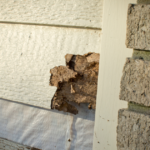
The original, unprotected wood sheathing behind her old siding crumbled away like cardboard in the contractor’s hands.
She had spent hours agonizing over the perfect color palette, but watching the rot reveal itself, her renovation headache tripled.
Her “new look” wouldn’t last a day without the proper housewrap beneath it.
What is Housewrap?
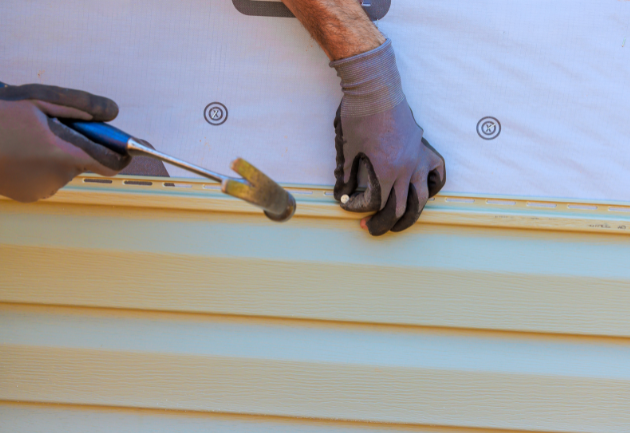
Housewrap is a thin, synthetic barrier that sits between your home’s structural sheathing and the siding.
To the untrained eye, it looks like nothing more than paper wrapped around a house. In reality, it is an engineered membrane that dictates the comfort, energy efficiency, and ultimate lifespan of your home.
If your contractor is replacing your siding, ensuring that the housewrap is high-quality and correctly installed is just as important as the siding itself.
What Housewrap Does For You
While it may seem like a simple product, housewrap provides a variety of long-term benefits to your house and your wallet.
Moisture Management: The First Line of Defense
Water is the enemy of any structure. Over time, bulk water—driven by wind, rain, and snow—will inevitably find a way behind your siding.
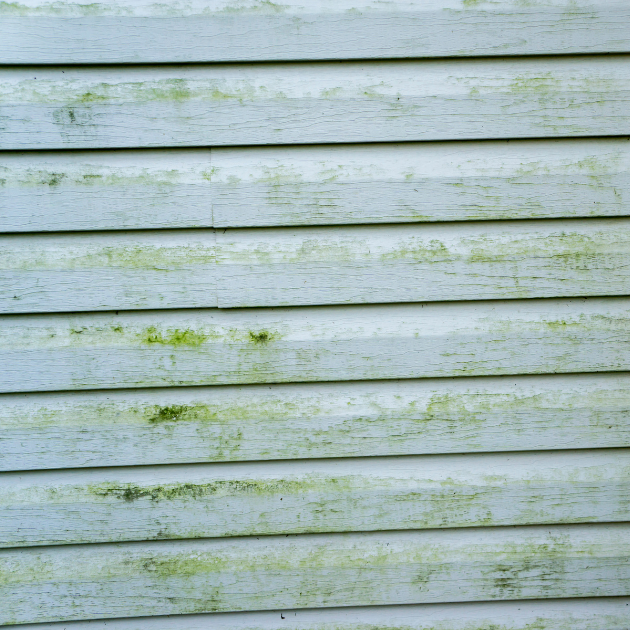
Without a proper drainage plane, that water sits against your home’s wood sheathing, leading to rot, mold, and structural compromise.
A high-performance housewrap is designed to be hydrophobic, meaning it sheds liquid water that manages to bypass the siding.
By creating a continuous barrier, the housewrap guides this water downward, directing it away from the structural wall and out toward the flashing or the ground.
Without this barrier, trapped moisture can cause sick building syndrome, where wood rot eats away at the framing, leading to thousands of dollars in repair costs that could have been entirely avoided.
Air Infiltration Barrier: Boosting Energy Efficiency
We often think of insulation as the primary way to keep a home warm or cool.
However, insulation is only effective if the air inside the wall cavity remains still. If air is constantly moving through the walls, your insulation loses its thermal resistance (R-value).
Housewrap serves as an air barrier, sealing the gaps in your home’s exterior envelope.
Think of it like wearing a windbreaker on a cold day. You might have a warm sweater on (your home’s insulation), but without the windbreaker (the housewrap), the cold air cuts right through the wool.
By preventing air infiltration, housewrap stops conditioned air from escaping and prevents unconditioned outside air from leaking in.
This significantly reduces the strain on your HVAC system, leading to lower monthly energy bills and a more consistent room temperature throughout the year.
Improving Breathability
A common misconception is that a home should be sealed airtight.
In reality, a home needs to breathe. Even with the best moisture barriers, some moisture vapor will find its way into your wall cavities due to humidity, cooking, bathing, or simple condensation.
If you wrap your house in a material that is completely impermeable (like a plastic vapor barrier), you risk trapping that moisture inside the wall.
Over time, that trapped vapor condenses, leading to hidden mold growth and structural decay.
Modern high-quality housewraps are engineered to be breathable.
They are designed with microscopic pores that are small enough to block liquid water droplets but large enough to allow water vapor molecules to pass through.
This effect allows your home to expel moisture from the inside out while preventing water from getting in from the outside. Achieving this balance is the hallmark of a healthy, long-lasting home structure.
Long-Term Durability and ROI
When you invest in siding replacement, you’re aiming for longevity. You want a home that looks good for decades, not just a few years.
Proper housewrap is the primary insurance policy for that investment.
By controlling moisture and air movement, housewrap protects the structural integrity of your home’s framing.
- Dry sheathing: The fasteners holding your siding in place stay secure.
- Wet sheathing: Fasteners lose their grip, eventually causing siding to sag, warp, or pull away from the house.
For a homeowner, this is a matter of Return on Investment (ROI).
Replacing the siding is a significant expense; replacing the siding and fixing the underlying structural damage caused by a failed or missing housewrap is a catastrophe.
Proper installation of a durable, quality housewrap ensures that your siding stands the test of time, keeping your home’s value protected.
Make the Proactive Choice
Your home is a system, and like any system, it is only as strong as its weakest link.
Investing in proper housewrap during a siding replacement is investing in your home’s future and longevity.
At GP Martini Roofing, we’re prepared to get your house ready for the long haul.
Contact us today for an estimate.
FAQs
Why is housewrap necessary during a siding replacement?
Housewrap is essential during siding replacement because it acts as a secondary drainage layer, protecting your home’s structural sheathing from moisture damage.
It effectively prevents humidity and wind-driven rain from penetrating your walls, thereby preventing wood rot, mold growth, and costly long-term structural repairs to your home’s framing.
Can I skip housewrap if my new siding is waterproof?
No, you should never skip housewrap. Even high-quality siding materials like fiber cement or vinyl can have installation issues that are not impermeable to water.
Housewrap provides a vital, continuous barrier that manages moisture that inevitably gets behind the siding. Without it, trapped moisture will compromise your wall insulation and structural integrity over time.
Does housewrap improve my home’s energy efficiency?
Yes, housewrap reduces the workload on your HVAC system, leading to lower monthly energy bills.
Housewrap acts as an air infiltration barrier, sealing gaps in your home’s exterior envelope.
By stopping uncontrolled outside air from leaking in and conditioned air from escaping, it prevents your insulation from losing its thermal resistance.
What makes high-quality housewrap breathable?
Quality housewrap uses engineered, microscopic pores that allow water vapor to escape from inside the wall cavity while simultaneously blocking liquid water droplets from entering.
This breathability prevents condensation from building up inside your walls, which helps avoid hidden mold growth and keeps your home structure healthy.