Siding Problems: How to Spot (and Stop) Damage Before It Starts
What You’ll Learn
What are the most common problems with different types of siding?
Every siding material has weak spots.
Vinyl warps and fades. Wood rots and attracts pests. Fiber cement can crack and hold moisture. Brick and stucco hide water behind their walls.
Knowing what to look for helps you catch trouble before it becomes expensive.
In This Blog:
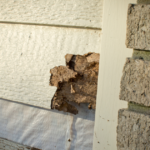
Small bugs feast where solid wood used to be.
Her face scrunches up like she’s smelled something foul as she takes it in.
She meant to check on the siding last month, when it was just some discoloration. Then life happened.
Most siding problems don’t shout. They whisper. And by the time you hear them, the damage is already done.
This guide walks through the most common siding issues—material by material—so you know what to look for before those whispers turn into a nightmare.
Vinyl Siding: Warping, Buckling, and Fading
Vinyl is the low-maintenance favorite for a reason. It doesn’t need paint. It shrugs off moisture. But it has limits.
- Warping and buckling happen when vinyl gets too hot. Dark colors absorb more heat. Reflective windows can concentrate sunlight onto a single section. And if the panels were nailed too tightly during installation, they have nowhere to expand—so they buckle.
- Cracking and chipping show up after impact or in extreme cold. A stray baseball. A ladder leaning wrong. A bitter January morning. Vinyl gets brittle over time.
- Fading and discoloration are cosmetic but telling. If your siding is fading unevenly, it’s been exposed to intense sun—and that same UV damage is weakening the material underneath.
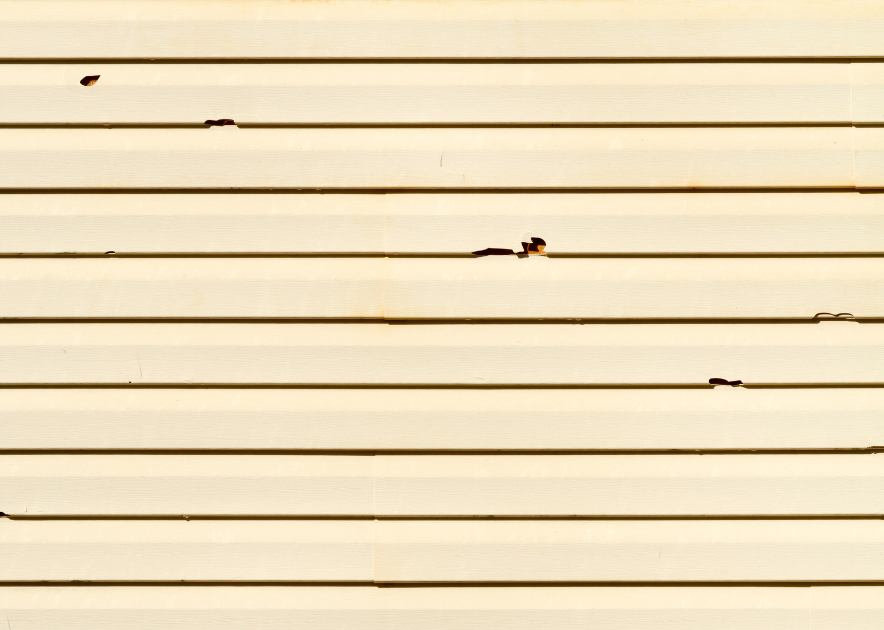
What to watch for: Waves in the panels. Gaps at the seams. Color that doesn’t match the shady side of the house.
Wood Siding: Rot, Pests, and Peeling Paint
Wood is beautiful. It’s also hungry. For moisture. For insects. For your time.
- Rot and decay start where water sits. Behind a gutter that overflows. Under a drip edge that’s too short. At the base of a wall where snow piles up. Once rot sets in, you’re not repairing—you’re replacing.
- Pest infestation follows rot. Termites and carpenter ants don’t eat wood; they burrow into it. And they love damp, decaying siding. If you see tiny holes or fine sawdust, you have company.
- Cracking and splitting happen as wood dries and ages. Caulk hides it for a season, but the crack runs deeper than you think.
- Peeling paint is the warning light. It means moisture is pushing through from behind. The paint isn’t failing; the wall is.
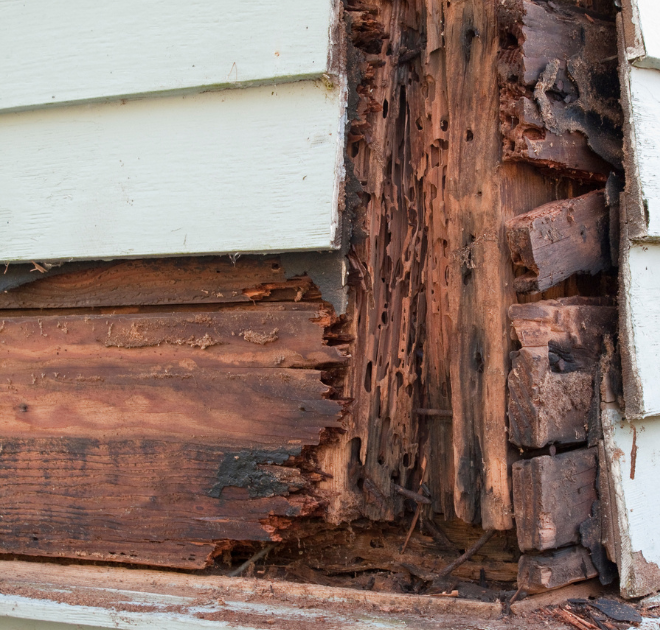
What to watch for: Soft spots when you press. Paint bubbling or peeling. Wood that looks darker than it should (that’s moisture).
Fiber Cement: Chipping, Cracking, and Moisture Traps
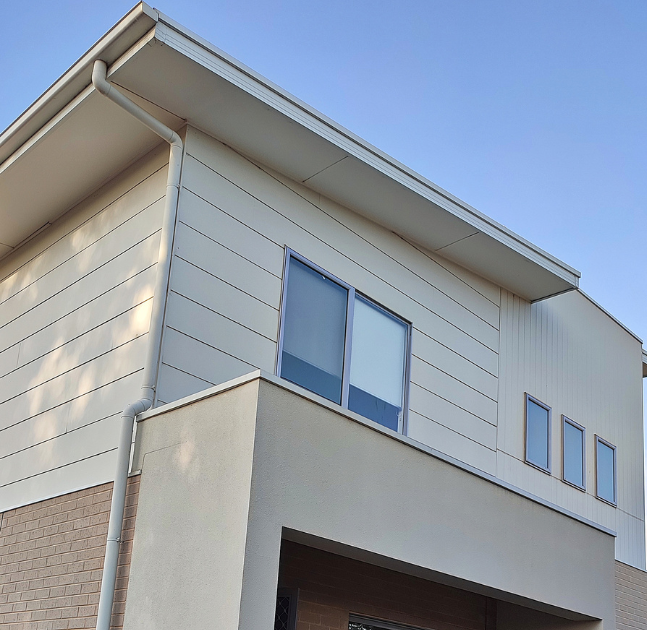
Fiber cement is tough. It resists fire, rot, and impact better than vinyl or wood. But it’s not invincible.
- Chipping and cracking happen most often during installation. Fiber cement is heavy and brittle. Drop a panel, and it cracks. Cut it wrong and the edge frays. If the crew isn’t careful, you’ll see those mistakes for decades.
- Fading is slower than vinyl, but it happens. Cheap finishes lose color faster. Premium paints hold up longer. But all fiber cement will eventually need repainting.
- Moisture damage sounds counterintuitive—fiber cement is cement, right? But water can wick up from the ground if the siding sits too low. It can get behind panels if flashing is missing. And once trapped, it stays there. Rot follows.
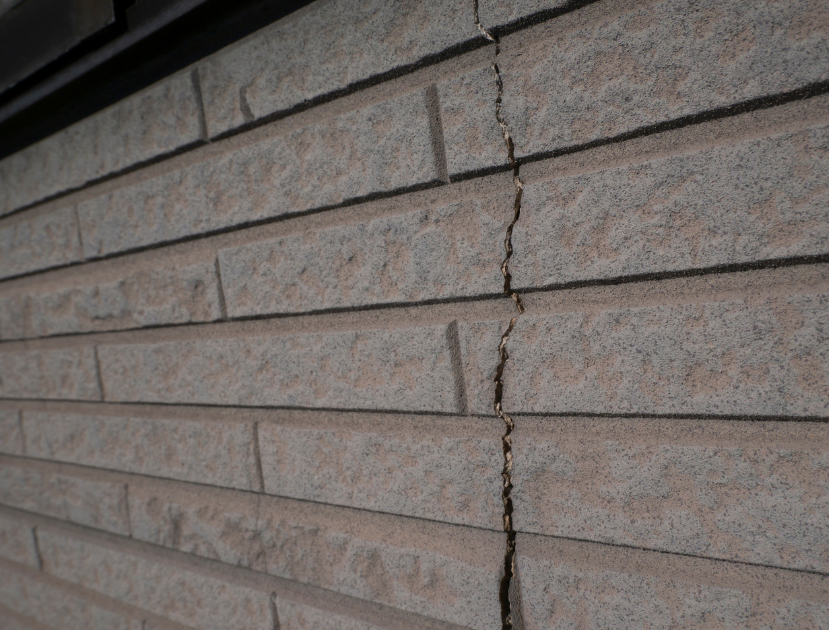
What to watch for: Chips near the bottom edge. Panels that feel soft when you press (that means moisture behind). Efflorescence—white chalky residue—which means water is moving through the material.
Stucco and Brick: Cracks, Spalling, and Hidden Water
Masonry looks permanent. It’s not.
- Cracks in stucco or brick mortar are open doors for water. Freeze-thaw cycles widen them every winter. What starts as a hairline crack becomes a gap you can fit a quarter into.
- Moisture intrusion is the real danger. Water gets behind the brick or stucco and can’t escape. It rots the framing. It grows mold. And you won’t see it until the damage is done.
- Spalling is when the face of brick or stucco flakes off. It happens when water freezes inside the material. The surface pops off like an eggshell. Once spalling starts, it doesn’t stop.
What to watch for: White staining (efflorescence). Bulging or bubbling in stucco. Bricks that look darker than the rest—that’s water saturation.
How to Avoid Every Siding Problem
Start with proper installation.
Most siding failures trace back to day one. Using the wrong nails, missing flashing, and leaving no gaps for expansion. A good installer prevents problems that a good painter can’t fix.
Use house wrap and weather-resistant barriers.
Behind every panel, there should be a layer that stops water and lets vapor escape. Without it, your siding is just decoration.
Flash everything.
Windows. Doors. Corners. Roof intersections. Flashing must be present in all of these to direct water away.
Missing flashing directs water inside.
Clean your gutters.
When your gutters are full, be it leaves or roof residue, it is hard for them to do their main job: moving water away from your home.
Clogged gutters tend to overflow, and that water falls behind the siding. Before you know it, your home is rotting from the inside out.
Inspect twice a year.
Homeowners often miss this step, opting for one inspection or none at all. However, it is imperative for your siding—and sometimes for your warranty—to inspect your siding at least once a year.
Ideally, you have someone come in the spring and in the fall to walk the perimeter.
Catch it early, fix it cheap.
Do material-specific maintenance.
Know what your siding asks of you.
- Vinyl needs a rinse.
- Wood needs paint.
- Fiber cement needs sealant checks.
- Stucco needs cracks filled.
- Masonry needs mortar touched up.
Protect Your Home with a Free Siding Estimate
You don’t need to guess what’s hiding behind your walls or worry about the next storm.
We’ll inspect your siding, explain what we see, and give you honest options—no pressure, no surprises.
Contact GP Martini Roofing today for your free siding estimate.

FAQs
What causes vinyl siding to warp or buckle?
Heat is the main culprit. Dark colors absorb more sun, and reflective windows can concentrate light on one spot.
If panels were nailed too tightly during installation, they have nowhere to expand—so they buckle.
How do I know if my wood siding is rotting?
Press on it. If it feels soft or spongy, rot is underneath. Also look for peeling paint, darker-than-normal areas, or visible mold.
These all point to moisture trapped behind the wood.
Can fiber cement siding rot?
The material itself won’t rot, but water can get trapped behind it.
If flashing is missing or gutters overflow behind the panels, the wood framing underneath can rot. You won’t see it until the damage is done.
How often should I inspect my siding?
Twice a year—spring and fall. Walk the perimeter and look for damage.
Also, check after major storms. Catching a small crack early beats replacing a whole wall later.
Do I need house wrap behind my siding?
Yes, house wrap (or a weather-resistant barrier) stops water that gets past the siding and lets vapor escape.
Without it, moisture gets trapped against the sheathing. Rot follows.