How Long Does Siding Last? The Repair vs. Replace Decision
What You’ll Learn
How do I know whether to repair my siding or replace it entirely?
Minor, isolated damage can often be repaired easily, while widespread issues or older siding usually point toward replacement.
The age of your siding, the extent of the damage, and moisture problems all play a big role in the decision.
In This Blog:
Your home siding’s clean lines have warped into squiggles.
The siding on your Chester County home has battled rain, hail, snow, and sun for years and years, and the scars are starting to show.
Siding acts as a protective barrier against the elements, enhances the aesthetic appeal of your property, and contributes to energy efficiency.
To keep your home protected, it’s time to decide whether it’s time for a repair or replacement.
In this blog, we’ll explore how long siding typically lasts, common issues that arise, and the key factors to consider when deciding whether to repair or replace your siding.
Common Problems with Siding
Over time, siding can encounter several issues.
Here are some common problems:
Cracking and Warping
Exposure to extreme temperatures, moisture, and physical impacts can cause the siding to crack or warp.
These are those squiggles we’re talking about.
Warping often occurs in vinyl siding exposed to intense heat or improper installation.
Fading and Discoloration
Prolonged sun exposure can lead to fading and discoloration, affecting the appearance of your home.
It’ll look splotchy, like there’s some sort of file you can’t get off, no matter how many times you power wash it.
This issue is common in vinyl and aluminum siding.
Moisture Damage
Improper installation, damaged caulking, or lack of maintenance can result in moisture getting behind the siding, leading to rot, mold, and mildew.
Wood siding is particularly susceptible to moisture damage if not properly sealed and maintained.
Pest Infestation
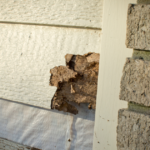
Wood siding, in particular, is susceptible to damage from insects like termites and carpenter ants.
These pests can cause significant structural damage if not addressed promptly.
Loose or Missing Panels
Strong winds, physical impacts, or improper installation can cause siding panels to become loose or fall off.
This not only affects the appearance of your home but also its protection against the elements.
When to Get Siding Repaired vs. Replaced
When faced with siding issues, it’s time to decide whether to repair or replace your siding.
No case is exactly the same as another, so it’s always important to take into consideration all the facts before making your decision.
Here are key factors to consider:
Extent of Damage
If the damage is localized to a small area, repairs may be sufficient.
However, widespread damage across large sections of your siding might necessitate a complete replacement. For instance, if several boards of wood siding are rotting, replacing those boards might be enough.
If the rot is extensive, a full replacement could be more cost-effective in the long run.
Age of Siding
Older siding that has already reached the end of its expected lifespan is often better replaced than repaired.
It doesn’t wrinkle like human skin, but it does get loose and uneven.
Replacing old siding can also provide an opportunity to upgrade to more durable and energy-efficient materials.
Cost of Repairs
Compare the cost of repairs to the cost of replacement. In some cases, frequent repairs can add up to more than the cost of new siding.
If you find yourself repairing cracked or warped vinyl siding repeatedly, investing in new, more resilient siding might be more economical.
Energy Efficiency
Newer siding materials offer better insulation and energy efficiency, potentially reducing your utility bills.
Replacing old siding with more energy-efficient options, such as insulated vinyl or fiber cement, can be a worthwhile investment that pays off over time through lower heating and cooling costs.
Aesthetic Appeal
If your siding is faded, outdated, or no longer matches your desired aesthetic, a replacement will enhance the curb appeal and value of your home.
New siding gives your home a fresh, modern look and increase its marketability if you plan to sell.
Maintenance Requirements
Some siding materials require more maintenance than others.
If you’re tired of constant upkeep, switching to a low-maintenance material can save time and effort.
Fiber cement siding requires less frequent painting than wood siding, making it a popular choice if you’re seeking a low-maintenance option.
Cost-Benefit Analysis: Repair vs. Replacement
When it comes down to deciding between siding repair vs. replacement, your top consideration needs to be how old your siding is and in what condition.
If your siding is only a few years old, a repair is likely the way to go.
On the other hand, if it’s already at or near the end of its 20 to 40-year lifespan, a repair may just delay the inevitable.
Repairing Siding
Pros:
- Lower Initial Cost: Repairs typically cost less than a full replacement. For minor damages like small cracks, a quick patch-up can be more economical.
- Quick Fix: Repairs can be completed quickly, minimizing disruption to your home. This is particularly beneficial if you’re preparing for an event or sale and need a fast solution.
Cons:
- Temporary Solution: Repairs may only provide a short-term fix, especially if the siding is old or extensively damaged. Over time, the need for frequent repairs can become costly.
- Inconsistent Appearance: Matching new siding to old can be difficult, resulting in an inconsistent look. This can be a concern if you’re particular about the aesthetic uniformity of your home’s exterior.
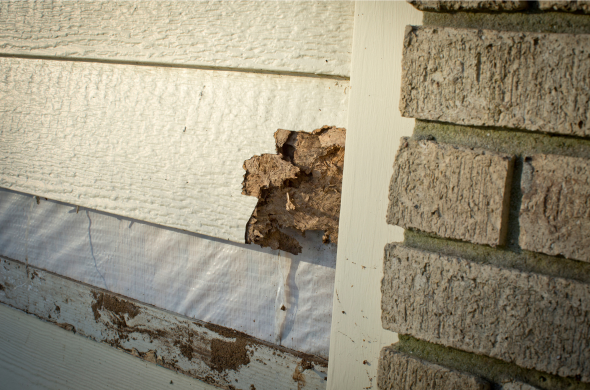
- Potential for Ongoing Issues: If underlying problems like moisture damage are not addressed, you may face recurring issues. Persistent moisture problems can lead to significant structural damage over time.
Replacing Siding
Pros:
- Long-Term Solution: Replacement provides a fresh start, eliminating ongoing issues and extending the lifespan of your home’s exterior. New siding can offer decades of protection with minimal maintenance.
- Enhanced Energy Efficiency: Newer siding materials offer improved insulation, potentially reducing energy costs. Insulated siding options can significantly enhance your home’s thermal performance.
Cons:
- Higher Initial Cost: Replacement is a significant investment upfront. However, the long-term benefits often outweigh the initial expense.
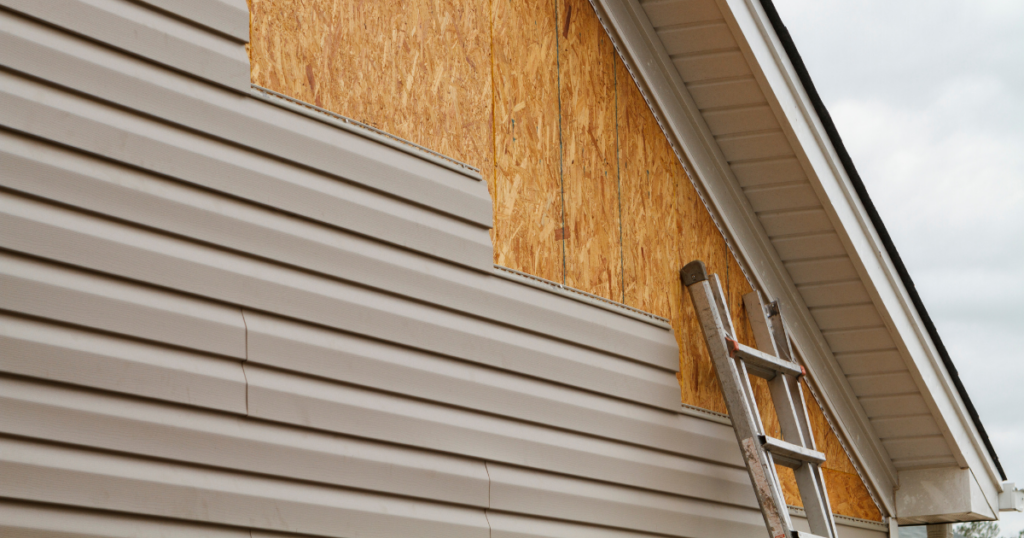
- More Time-Consuming: The process of replacing siding is more extensive and time-consuming than repairs. Depending on the size of your home, tear-off and replacement can take 1 to 2 weeks.
- Improved Curb Appeal: New siding can dramatically improve the appearance of your home, increasing its value. A well-chosen siding material and color can enhance the architectural style and attractiveness of your property.
- Reduced Maintenance: Modern siding options often require less maintenance, saving you time and money in the long run. Materials like vinyl and fiber cement are designed to withstand harsh weather conditions with minimal upkeep.
Comparing Siding Materials
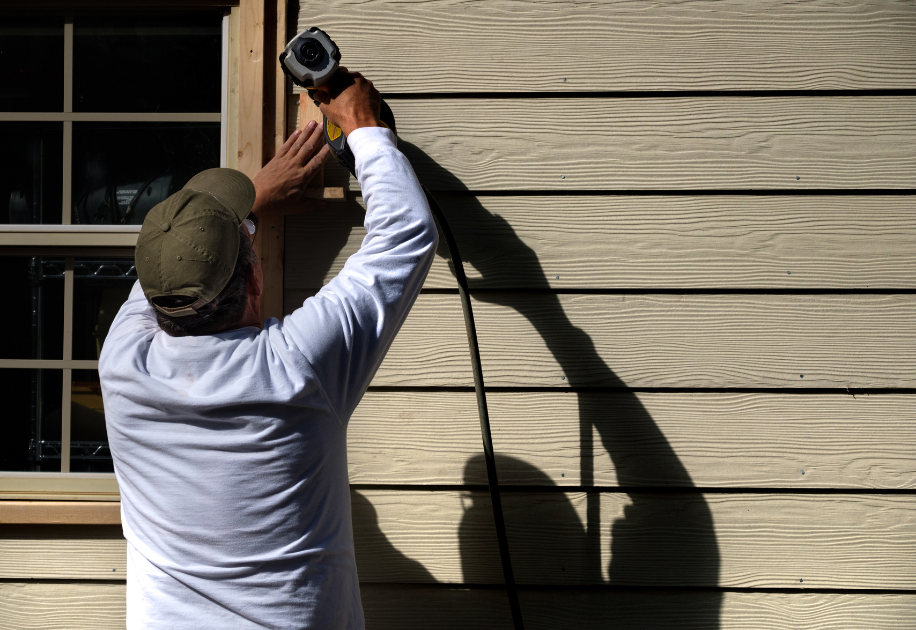
House siding materials can have a big impact on how your home looks from the road. They also range as far as durability, maintenance, and cost.
Siding has a lifespan of 20-40 years, with the exception of fiber cement siding, which can last 30-50 years.
In and around Chester County, all of these are good, solid options that should last their full lifespan with the proper care and maintenance.
Here and the most common materials to choose from:
Vinyl Siding
Vinyl siding is one of the most popular choices among homeowners due to its affordability and low maintenance.
It is made from PVC (polyvinyl chloride), which makes it resistant to moisture and insects.
Vinyl siding is available in a wide range of colors and styles, allowing for versatility in design.
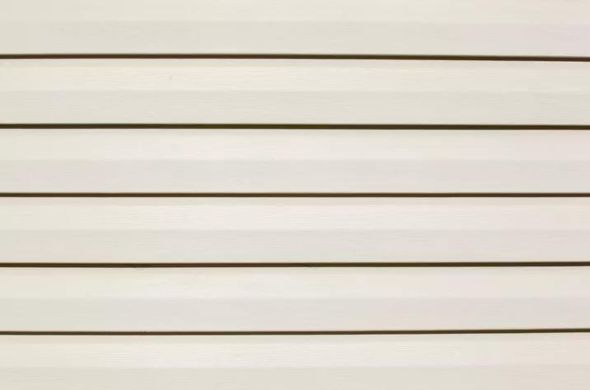
It can mimic the appearance of wood, stone, or brick without the associated maintenance costs.
One of its significant advantages is that it does not require painting, and it can be easily cleaned with a hose or pressure washer.
Wood Siding
Wood siding offers a timeless and natural aesthetic that many homeowners find appealing.
It comes in various forms, such as clapboard, shingles, and shakes, each providing a unique look.
While wood siding can add significant curb appeal, it requires regular maintenance to prevent issues like rot, insect damage, and warping.
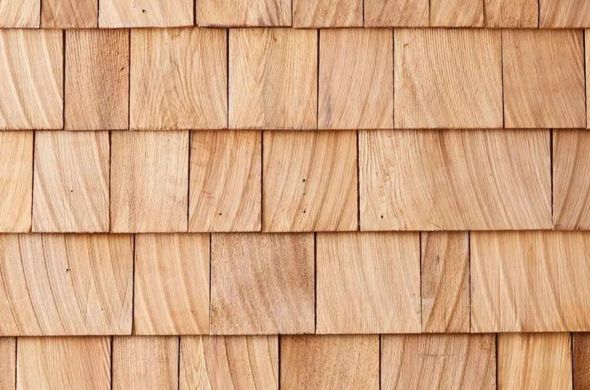
This maintenance typically includes painting or staining every few years and periodic inspections for damage.
Despite these requirements, many homeowners choose wood siding for its authentic, classic appearance.
Fiber Cement Siding
Fiber cement siding is known for its exceptional durability and long lifespan, often lasting much longer than other materials.
Made from a mixture of cement, sand, and cellulose fibers, it is highly resistant to rot, fire, and insect damage.
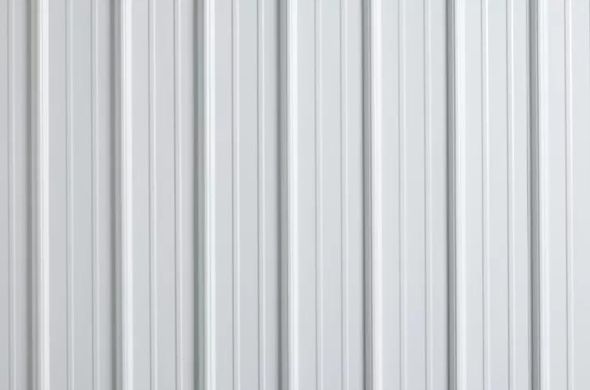
Fiber cement siding can be manufactured to mimic the look of wood, stone, or brick, providing a versatile aesthetic without the high maintenance needs of real wood.
Although it is heavier and more expensive to install than other materials, its long-term durability and minimal maintenance make it a worthwhile investment.
Aluminum Siding
Aluminum siding is a durable and lightweight option that offers good resistance to fire and insects.
However, it can be prone to denting and color fading over time.
Aluminum siding was more popular in the past, but its use has declined with the advent of more modern materials like vinyl and fiber cement.
Despite this, it is still used in certain applications where its fire-resistant properties are particularly beneficial.
Aluminum siding can be painted to refresh its appearance, though it may require more frequent upkeep compared to vinyl.
Engineered Wood Siding
Engineered wood siding combines the aesthetic appeal of natural wood with enhanced durability.
It is manufactured from wood fibers and resins, treated to resist moisture and pests.
Engineered wood is available in various styles, including clapboard and shingles, and can be painted or stained to achieve the desired look.
It provides a more durable alternative to traditional wood siding with less maintenance. However, it still requires some upkeep, such as occasional painting and inspections for damage, to ensure its longevity.
Make the Decision with Your Local Roofing Expert
Deciding whether to repair or replace your siding is a significant decision that impacts your home’s appearance, value, and protection.
Don’t wait until minor issues turn into major problems.
Let the experts at GP Martini Roofing help you make an informed choice.
Whether you need a professional assessment, expert advice, or a detailed estimate, we’re here to assist you every step of the way.
Contact GP Martini Roofing today for a comprehensive siding evaluation and estimate.
FAQs
How can I tell if my siding needs to be repaired or replaced?
Look for signs such as cracks, warping, fading, moisture damage, and pest infestation.
If the damage is extensive or the siding is old, replacement might be the best option.
How much does it cost to repair or replace siding?
Costs vary based on the material, extent of damage, and labor.
Repairing a small section can cost a few hundred dollars while replacing all the siding on an average-sized home can range from $5,000 to $15,000 or more.
Can new siding improve my home’s energy efficiency?
Yes, modern siding materials with better insulation properties can reduce energy loss, lower your utility bills, and enhance overall energy efficiency.
How long does it take to replace the siding?
The duration depends on the size of your home, the type of siding, and weather conditions.
On average, siding tea-off and replacement can take 1 to 2 weeks.
What maintenance does siding require?
Maintenance varies by material.
Vinyl and fiber cement siding requires minimal upkeep, while wood siding needs regular painting or staining and inspections for rot and insect damage.