Leaks: When You Need an Emergency Tarp and When You Can Wait for Repair

What You’ll Learn
How do I know if a roof leak is a middle-of-the-night emergency or something I can schedule?
It depends on the severity and location.
If water is actively pouring in, you see large holes, or the leak is near electrical systems, you need an emergency tarp immediately.
For slow drips or isolated damage, you can schedule a repair—but don’t wait long.
In This Blog:
You can hear it…a drip, drip, drip coming from the ceiling.
You find it: a water stain spreading on the ceiling directly below the attic.
Panic sets in.
Is this a full-blown roofing emergency, or can it wait until morning?
When it comes to roof leaks, knowing when to act quickly and when you have a little breathing room can make a huge difference in protecting your home—and your wallet.
Let’s break down when you need an emergency tarp and when you can schedule a regular repair.
Leak Cheat Sheet
| Situation | Emergency Tarp Needed? |
|---|---|
| Water pouring through the ceiling | YES |
| Big patches of missing shingles or visible holes | YES |
| Steady stream of water down a wall or ceiling | YES |
| Small, isolated drips | NOT A TARP EMERGENCY — Still needs repair soon |
| Occasional damp spot or water stain | NOT A TARP EMERGENCY — Monitor and schedule repair |
Note: The question here is not “if you need repairs?” All leaks, even minor ones, can lead to much costlier issues and should be addressed. But not all are an emergency.
When You Need an Emergency Tarp
Water intrusion isn’t something you want to mess around with.
Some leaks are severe enough that you need immediate action to prevent catastrophic damage inside your home. Here’s when you shouldn’t wait:
Active Water Pouring Inside
If water is dripping, streaming, or pooling inside your home, especially during or right after a storm, you need an emergency tarp now.
This kind of leak can damage:
- Ceilings
- Walls
- Insulation
- Floors
- Furniture and personal belongings
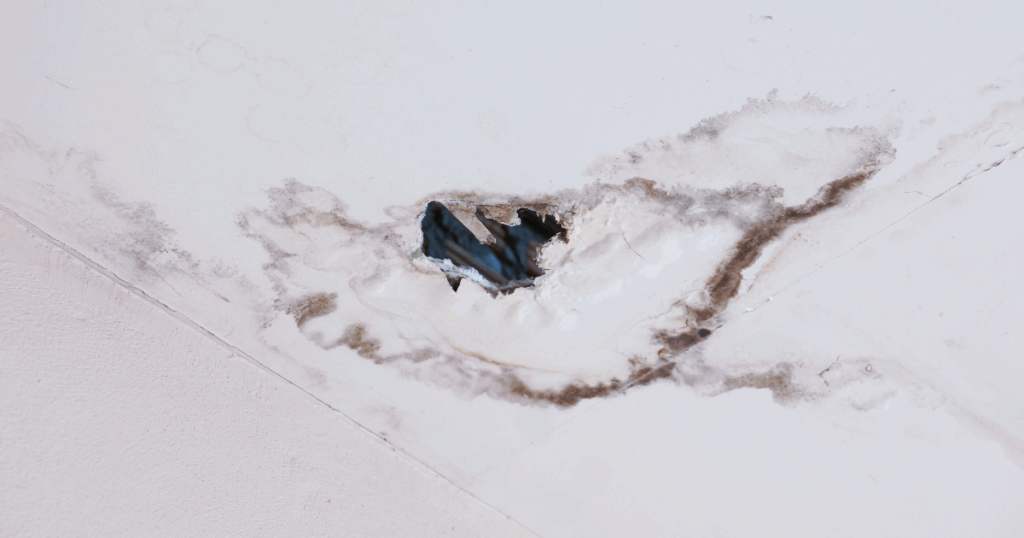
The longer water is allowed to seep in, the more extensive (and expensive) the repairs become.
Large Sections of Missing Shingles or Visible Holes
If you can see bare wood, large gaps, or even daylight through your roof, don’t wait.
Severe roof damage leaves your home wide open to the elements, meaning the next rainstorm could cause devastating water damage.
An emergency tarp can save you time by keeping additional moisture out until full repairs can be made.
Structural Damage Risk
If there’s any sign that the roof structure itself (like rafters or decking) is compromised, it’s critical to cover the damage immediately.
Water intrusion into the structure can lead to dangerous weakening, mold growth, and even collapse in extreme cases.
Leaks Near or Threatening Electrical Components
It goes without saying that water and electricity are a dangerous mix.
If you notice water leaking near light fixtures, outlets, fuse boxes, or any exposed wiring in your attic, it’s not just a water damage issue—it’s a serious safety hazard.
In these cases, you need to:
- Shut off power to the affected area if it’s safe to do so
- Avoid using electrical systems nearby
- Call both a roofing professional and a licensed electrician right away
An emergency tarp can help stop further water infiltration but don’t delay. These leaks put your home at risk of electrical shorts, fires, and injury.
When You Can Wait for a Scheduled Repair
Not all leaks mean disaster is imminent. Some issues are small enough that you can schedule a repair without needing immediate tarping.
Minor Drips or Slow Leaks
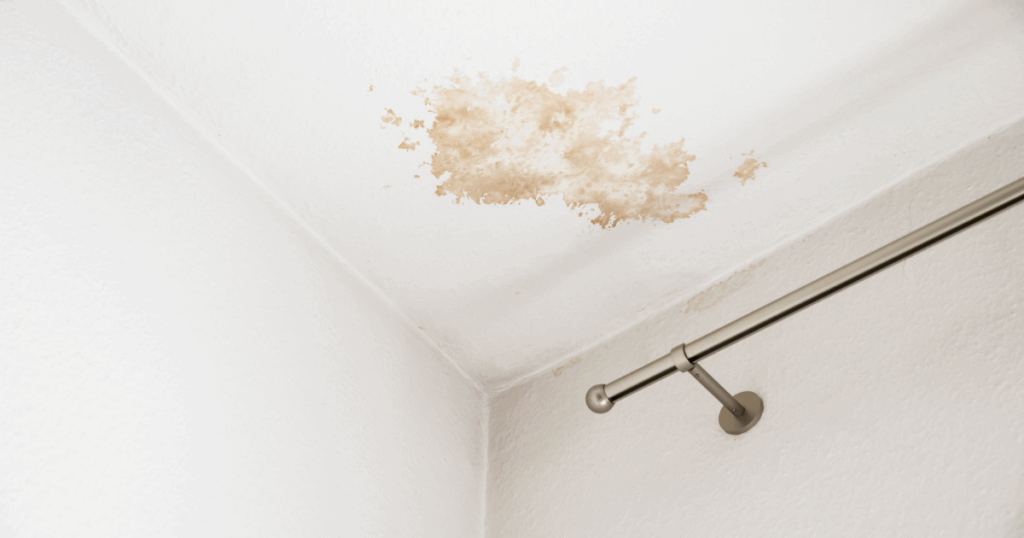
A small drip from the attic during heavy rain, without pooling water or spreading damage, can often wait a few days for a repair appointment.
Of course, you’ll still want to get it fixed quickly, but you don’t necessarily need a 2:00 AM emergency call.
Limited Damage to Flashing, Seals, or Shingles
If the leak is due to minor flashing issues, a couple of missing shingles, or small cracks in the roofing materials (with no major holes or gaps), you likely have a bit more time.
These issues should still be handled promptly, but they aren’t a five-alarm fire if the leak is contained.
Leaks That Only Appear in Certain Conditions
If a leak only shows up under very specific circumstances—like wind-driven rain or ice damming during a hard freeze—it’s usually a sign of a vulnerable but not catastrophic spot on your roof.
These leaks may only drip occasionally, and while they don’t require an emergency tarp, they do indicate a weakness that needs repair before it becomes a bigger issue.
Why Timing Matters: The Risks of Waiting Too Long
Even small leaks can become big problems if left unchecked.
The risks of waiting too long include:
- Mold and mildew growth
- Insulation damage
- Electrical hazards from water intrusion
- Weakening of roof decking and support beams
- More costly repairs later on
Bottom line: If you’re not sure how bad it is, don’t guess.
It’s always safer (and usually cheaper) to get a professional assessment early.
Let GP Martini Roofing Protect Your Home
When in doubt, it’s best to call the experts.
At GP Martini Roofing, we offer fast, professional leak assessments and emergency tarping services to protect your home from further damage.
Whether you need immediate action or a scheduled repair, we’ll help you get your roof (and your peace of mind) back in shape.
Contact us today for a free estimate, and stay one step ahead of water damage!

FAQs
How long will an emergency tarp protect my roof?
Emergency tarps are a temporary solution designed to last anywhere from a few days to a few weeks.
They protect against immediate water intrusion, but they’re not a substitute for proper repairs. The sooner you schedule the permanent fix, the better.
What happens if I wait too long to fix a small leak?
Even small leaks can cause major issues over time, like mold growth, ruined insulation, and structural damage. If you delay, a simple, inexpensive repair can turn into a much bigger (and costlier) project.
Can I install a tarp myself?
While it’s technically possible, it’s not recommended.
Climbing onto a damaged, slippery roof can be dangerous.
Professionals have the right equipment and training to safely install a secure tarp without risking injury or causing further damage to your roof.
Does insurance cover emergency tarping?
Often, yes. Many homeowners’ insurance policies will cover the cost of emergency tarping as part of your roof damage claim, especially if the damage came from an “Act of God,” e.g., storms or severe weather.
It’s always a good idea to document the damage and contact your insurance company promptly.