Roofing Contractor Scams: How to Spot a “Storm Chaser” Who’s Only in Town for the Week
What You’ll Learn
How can I avoid roofing contractor scams after a storm damages my roof?
You can avoid roofing contractor scams by watching for warning signs like high-pressure sales tactics, contractors with no local presence, or anyone asking you to sign paperwork before providing a detailed estimate.
Working with a licensed, insured, local roofing company helps ensure your roof is properly inspected, your insurance claim is handled correctly, and your repairs are completed by professionals you can trust.
In This Blog:
The storm has barely passed, and someone’s already knocking on your door.
They say they’re a roofer “in the neighborhood.”
They noticed damage to your shingles. And they can “work directly with your insurance.”
Sounds like the start of a horror movie, and it might as well be.
Unfortunately, storm damage scams are on the rise, especially after major wind and hail events.
These so-called contractors aren’t here to help—they’re here to profit off panic.
Who Are Storm Chasers—and Why Are They a Problem?
Storm chasers are out-of-town roofing contractors, or sometimes just sales reps with no real crew, who roll into communities after heavy storms.
They drive through neighborhoods looking for signs of wind or hail damage, then start knocking on doors. They pitch quick fixes, claim they’ve “already helped your neighbor,” and pressure you to file an insurance claim right away.
Here’s the catch: They’re only in town for a few days. And once they get your check—or your insurance payment—they’re gone.
If the work is shoddy, unfinished, or never even started, you’re left with little recourse.
They have no local office, no reputation to protect, and often no insurance of their own.
Red Flags That Indicate a Storm Damage Scam
These scammers are persuasive, but there are warning signs if you know what to look for.
Watch out for any roofer who:
- Has out-of-state license plates or no visible company branding
- Can’t (or won’t) provide local references or a physical business address
- Asks you to sign something on the spot, especially without reviewing a detailed estimate
- Claims they can “waive your deductible” (that’s insurance fraud)
- Pushes you to file a claim immediately, before any real inspection
- Says they’re only in town “for a few days” or offers “limited-time pricing.”
- Can’t show proof of Pennsylvania licensing and general liability insurance
Scammers thrive on urgency. If you feel rushed, pressured, or unsure, that’s your signal to slow down.
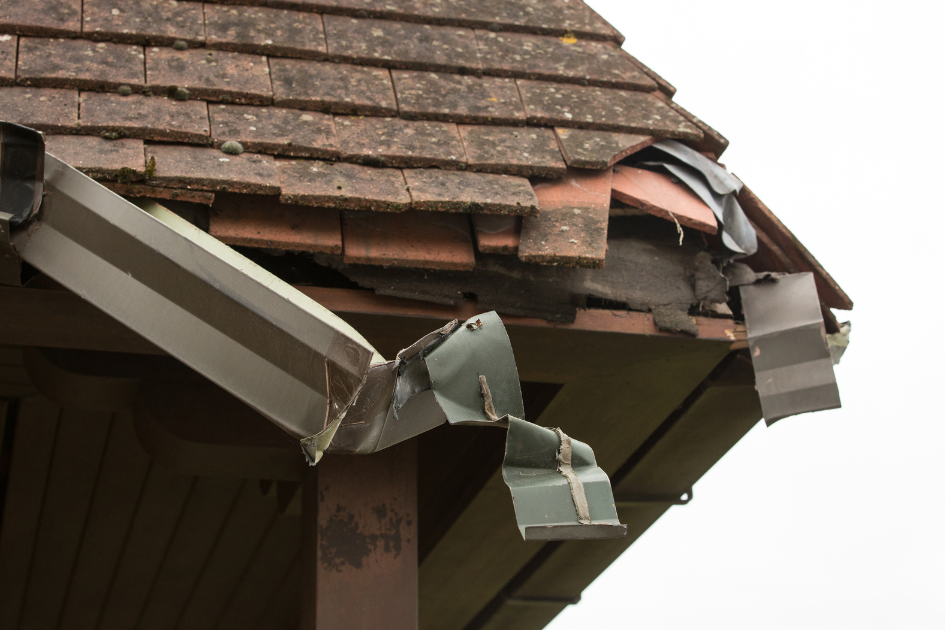
The Risks of Rushing Your Insurance Claim
One of the most dangerous parts of these scams?
They often involve pressuring you to file an insurance claim too early.
Why is that a problem?
- You may not even need to file—your damage might be minor or cosmetic.
- If your claim is denied, it can still raise your premiums or go on your record.
- The contractor might exaggerate or fabricate damage, putting you at risk for insurance fraud.
- Your insurance company might reject working with that contractor, leaving you to pay out of pocket.
Your first step after a storm should be a professional inspection by a licensed, local roofer, not a random knock on the door.
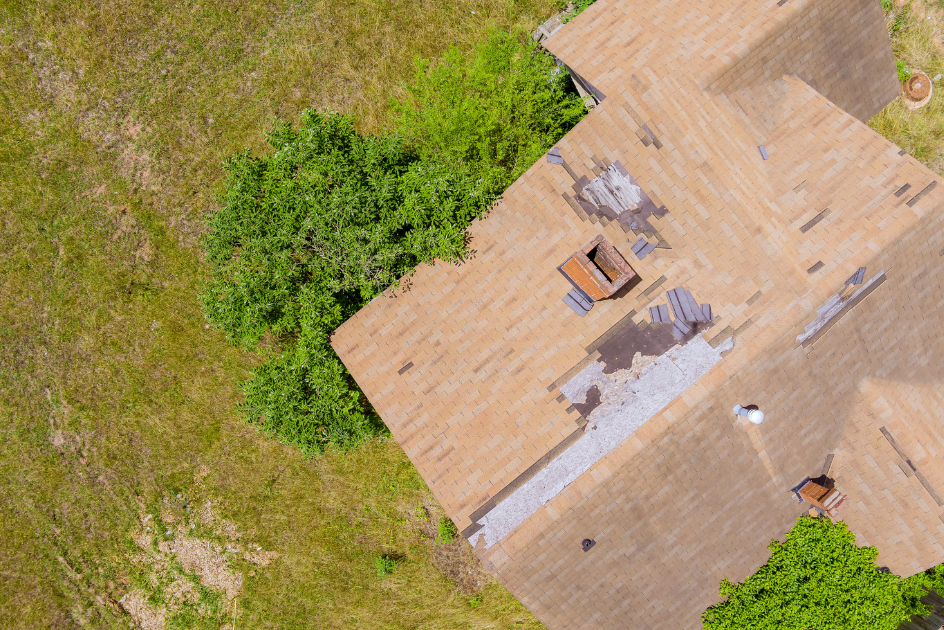
How to Protect Yourself After a Storm
You don’t need to become a roofing expert—you just need to know what to ask.
Before agreeing to any repairs, ask the contractor:
- Are you licensed and insured in Pennsylvania?
- Can you provide your HICPA registration number?
- What’s your physical business address?
- Do you have local references I can contact?
- Can I see a detailed, written estimate before signing anything?
- Will your team be doing the work, or are you subcontracting it?
A reputable contractor won’t dodge these questions. A scammer will.
When in Doubt: Hire Local
At GP Martini Roofing, we’ve been serving Chester County homeowners for decades. We’re not here today and gone tomorrow—we’re part of this community.
That matters because storm damage repairs aren’t just about speed—they’re about trust.
We offer:
- Honest inspections and straightforward estimates
- Clear contracts and no-pressure guidance
- Full licensing and insurance
- Work crews trained to manufacturer specifications
- Warranties we actually stand behind
- A local team that’ll be here long after the clouds clear
When you hire local, you get accountability and peace of mind.
Don’t Let a Storm Chaser Near Your Roof
Storms are stressful enough. Don’t let a scam make things worse.
If you suspect damage after high winds or hail, call someone who knows how to spot it—and how to fix it the right way.
Contact GP Martini Roofing for a free estimate.
We’ll inspect your roof, explain your options, and help you protect your home—no pressure, no panic, and no scams.
FAQs
How can I tell if a roofer is a storm chaser?
Look for red flags, such as out-of-state plates, vague company information, no local references, or pressure to sign paperwork immediately. If they say they’re only in town for a few days or offer to waive your deductible, that’s a major warning sign.
Is it illegal for a contractor to waive my insurance deductible?
Yes. Promising to “waive your deductible” is considered insurance fraud—and could get you, not just the contractor, in legal trouble. Always work with a roofer who follows ethical and legal practices.
Should I file an insurance claim right after a storm?
Not necessarily. Filing a claim too soon—before a proper inspection—can lead to denied claims, higher premiums, or being flagged for fraud if the damage is exaggerated. Your first step should be a roof inspection from a licensed local contractor.
What if I already signed something with a door-to-door roofer?
If you feel pressured or unsure about what you signed, contact your insurance provider immediately and consult with a local roofing company. You may still be able to cancel the agreement, especially if the contractor hasn’t started work.
What questions should I ask a roofer before hiring them?
Ask if they’re licensed and insured in PA, request their HICPA number, obtain a physical business address, request local references, and demand a detailed written estimate. Don’t sign anything until you’re confident in their answers.