Siding Guide: Choosing Based on Cost, Climate, and Care
What You’ll Learn
How do I know what type of siding is best for my home?
Your climate, budget, and aesthetic goals drive the decision.
Vinyl, fiber cement, and wood siding all carry different advantages, price tags, and levels of maintenance.
A professional consultation helps solidify the right fit.
In This Blog:
Your house is showing its age.
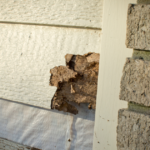
You’ve got fading panels, peeling paint, and even a few spots where the siding looks softer than it should.
Southeastern Pennsylvania’s temperamental weather has not been kind.
It’s time for a little makeover, and you’re unsure of which kind of siding to choose this time.
We break down the benefits of siding options so that you can make the right choice for your home and your climate.
Common Siding Materials
Before you commit to a full siding replacement or a repair, it helps to understand the main types available to homeowners:
- Vinyl Siding: Budget-friendly, low maintenance, moisture-resistant, but can crack in extreme temperatures.
- Fiber Cement Siding: Durable, fire-resistant, and mimics wood grain, but has a higher upfront cost and heavier installation.
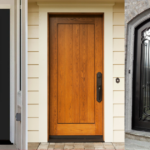
- Wood Siding: Natural, premium appearance, and eco-friendly, but requires the most maintenance and is prone to rot in humid or freeze-thaw conditions. However, if you love the look of wood but don’t want full wood siding, adding small wood accents is an easy way to get the aesthetic without the extra maintenance.
Choosing the right siding is about balancing long-term value, aesthetics, and your local climate.
If you need more information about whether a siding repair or a replacement is best for your home, consult our blog How Long Does Siding Last? The Repair vs. Replace Decision.
Vinyl Siding
Vinyl siding is often the go-to siding option because it’s affordable, durable enough, and requires very little upkeep.
Benefits:
- Medium lifespan: 20-40 years
- Budget-friendly: Usually the least expensive siding to install.
- Low maintenance: No painting, minimal cleaning required.
- Variety: Comes in hundreds of colors and profiles, including wood-like textures.
- Moisture-resistant: Won’t rot or attract pests.
Drawbacks:
- Sensitive to temperature swings: Vinyl can crack in extreme cold or warp in high heat.
- Not the most premium look: Even high-quality vinyl doesn’t look like real wood grain.
- Low fire resistance: Vinyl can melt when exposed to high heat sources, like an electric fireplace, a tiki lamp, or even a barbecue that is too close to the home.
How does it measure up against PA weather?
Vinyl resists rain and humidity well, but long freeze-thaw cycles may cause cracking, and hot summers can make panels slightly more prone to warping.
Vinyl siding is typically the optimal choice for homeowners who prioritize affordability and low maintenance over style.
Vinyl Insulated Siding
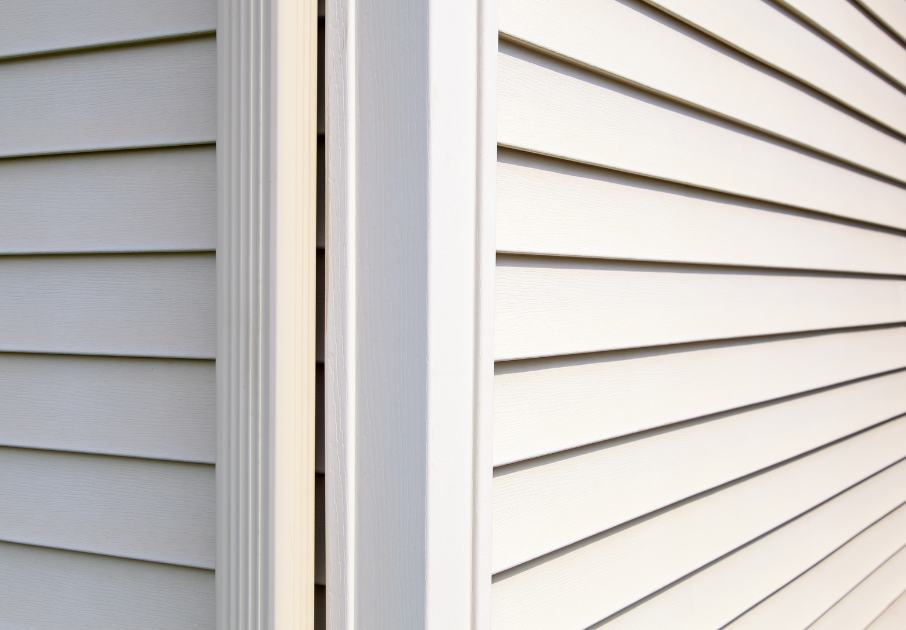
Insulated vinyl siding offers energy efficiency and improved home comfort. This is an upgrade option from regular vinyl siding that you can choose when replacing your siding.
Insulated siding carries these additional benefits:
- Energy savings: Can reduce heating energy use by around 8% per heating degree day, helping lower utility bills.
- Improved comfort: Better airtightness reduces drafts and temperature swings.
- Cost considerations: Material costs are roughly $1,618 higher than standard vinyl, but installation labor is similar.
- Alternative options: Achieving the same insulation with wood or other methods would typically cost more in labor and materials.
How does it measure up against PA weather?
Insulated vinyl siding adds a layer of protection against the region’s temperatures, high humidity, and winter cold. It’s particularly beneficial for older homes with less insulation.
Best for homeowners seeking better energy efficiency and reduced draftiness without major structural upgrades.
Fiber Cement
Fiber cement is known for its serious longevity, stability, and ability to look like wood better than most synthetics.
Benefits:
- Long lifespan: Many products last 30–50 years.
- Highly durable: Resistant to warping, rot, termites, and swelling.
- Fire-resistant: Since it is made of cement, sand, and cellulose fibers, fiber cement will neither catch fire nor melt.
- Premium appearance: Deep textures closely resemble real wood.
Drawbacks:
- Higher upfront cost: More expensive than vinyl, both in materials and installation.
- Heavier: Requires skilled installers and proper handling.
- Maintenance required: Still needs repainting (though not as often as real wood).
How does it measure up against PA weather?
Fiber cement handles freeze-thaw cycles, high humidity, and heavy rainfall exceptionally well.
Homeowners looking to invest in long-term performance and curb appeal will gravitate towards fiber cement siding.
Wood Siding
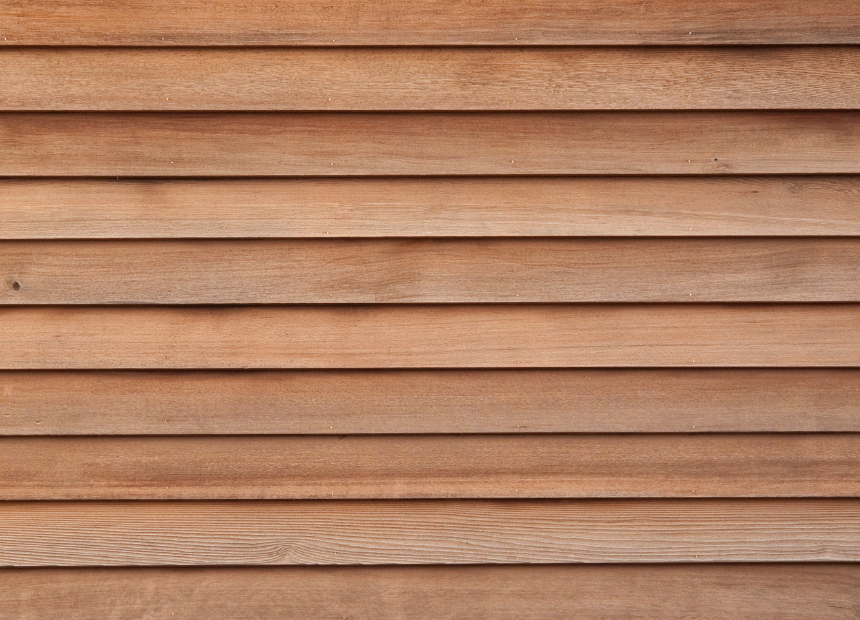
For many homeowners, nothing beats the look and feel of real wood on their home.
Benefits:
- Lifespan: 20–40 years with proper care
- Premium aesthetics: Genuine wood texture and richness.
- Highly customizable: Easily painted, stained, or refinished.
- Eco-friendly options: Cedar and redwood are renewable materials.
Drawbacks:
- High maintenance: Requires frequent painting or staining.
- Prone to damage: Rot, pests, and moisture all slowly destroy wood siding, especially in humid or wet climates.
- Higher long-term cost: Refinishing, restaining, and repairs add up quickly.
How does it measure up against PA weather?
Wood performs well in hot, dry periods but requires more care during humid summers and freeze-thaw winters. Regular maintenance is key to preventing rot, warping, and pest damage.
Great for homeowners who want the truest, most natural curb appeal and don’t mind maintenance.
Making the Final Decision: Get Expert Advice
Choosing siding shouldn’t feel like a gamble.
Now you know exactly how vinyl, fiber cement, and wood stack up, so you can make a decision based on your home, your climate, and your goals.
GP Martini Roofing is here to help you cut through confusion and get siding installed the right way—with transparency, reliable service, and high-quality products every time.
Contact GP Martini Roofing for a Free Siding estimate.
FAQs
How long does each siding type last?
Vinyl siding typically lasts between 20 and 40 years, depending on quality, installation, and maintenance.
Fiber cement siding is more durable and can last 30 to 50 years.
Wood siding also lasts 20 to 40 years but requires frequent upkeep to prevent rot and pest damage.
Which siding handles Pennsylvania’s freeze-thaw cycles best?
Fiber cement siding is the most resilient against Southeastern Pennsylvania’s harsh freeze-thaw cycles.
It resists cracking, warping, and moisture damage far better than wood or standard vinyl.
Insulated vinyl also performs well, while regular vinyl may become brittle in extreme cold.
Is insulated vinyl worth the extra cost?
Yes. Insulated vinyl siding adds thermal protection that improves comfort and reduces drafts inside your home.
It can lower heating costs, especially in older homes with minimal insulation.
The upfront cost is higher, but energy savings and improved indoor comfort make it a worthwhile investment.
Can vinyl siding crack in winter?
Yes. Standard vinyl siding can become brittle in freezing temperatures, increasing the risk of cracks.
Extreme cold combined with wind or physical impacts may cause damage.
Choosing high-quality vinyl or insulated vinyl helps reduce this risk.