Metal Roof Gauge: Homeowners’ Guide to Thickness Measurement
What You’ll Learn
What does “metal roof gauge” really mean, and how do I choose the right one for my home?
Gauge refers to the metal’s thickness, and here’s the confusing part: a lower number means a thicker, stronger metal. Many homeowners learn this only after reading conflicting online advice or comparing quotes that include different gauge sizes without explanation.
You’ll get a clear understanding of how gauge affects durability, weather resistance, lifespan, and cost—so you can make a confident, informed decision.
Table of Contents
You ask two roofing companies for a metal roof estimate.
Both include the same color, style, and panel type.
One quote costs thousands more, and the salesperson keeps emphasizing “24-gauge” as if you should already know what that means.
Meanwhile, Google tells you that 29-gauge is “fine for most homes,” while another source says to “never install anything less than 24-gauge.”
Who’s right?
The truth is somewhere in the middle, but it depends heavily on your climate, your roof design, and the type of metal roofing system you’re installing.
Let’s break it down in a way that finally makes sense.
What “Gauge” Means (And Why Lower = Stronger)
The gauge of a metal roof is simply the thickness of the steel or aluminum. Unlike most measurements, the numbers move in reverse:
- 29-gauge: the thinnest used in roofing
- 26-gauge: General mid-range
- 24-gauge: the thickest, heaviest metal gauge option
Thicker metal performs better because it has more structural rigidity. That means:
- It holds up better during hail and heavy storms.
- It resists bending or flexing between fasteners.
- It expands and contracts more predictably with temperature changes.
- It’s less likely to develop visible waviness, known as oil canning.
- It generally lasts longer and maintains its appearance.
Thinner metal is more affordable and may simplify installation since it’s easier to cut and handle. But it simply cannot match the strength and stability of thicker gauges under stress.
Thinner metal:
- Has less impact resistance
- Is more prone to bending, denting, or waviness
- Has a shorter lifespan
29 vs. 26 vs. 24 Gauge Metal Roofing
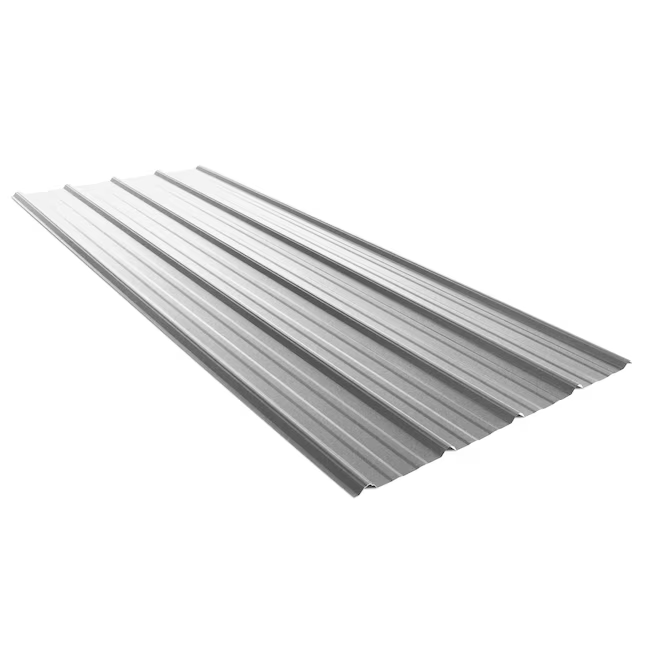
29-gauge metal is the lightest and most inexpensive roofing gauge.
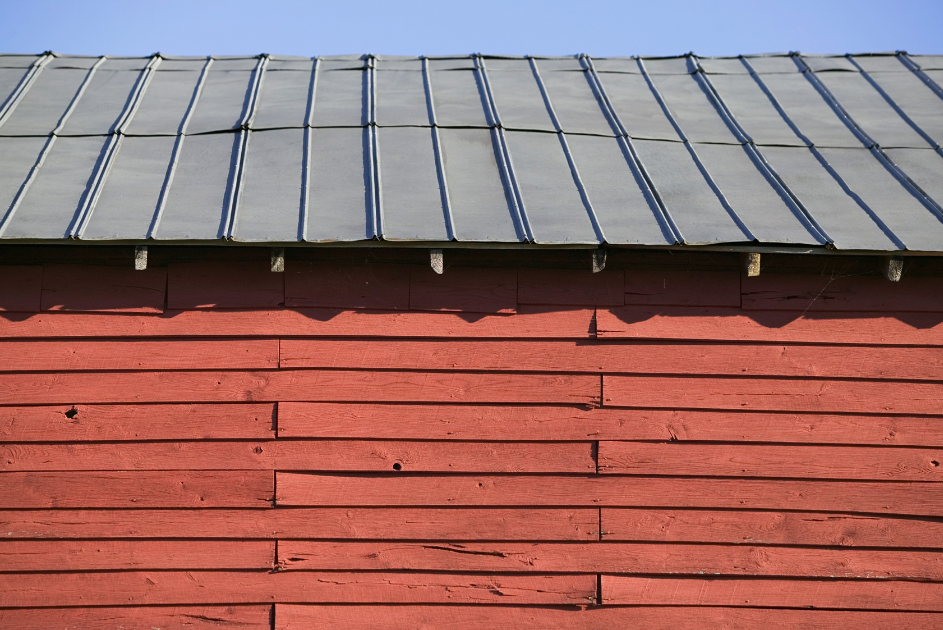
It’s commonly used on barns, sheds, agricultural buildings, and garages.
However, its thinness makes it more susceptible to dents, wind-induced deformation, and waviness across wider panel spans.
Heavy snow loads or hailstorms can significantly shorten its lifespan.
Heavy snow loads or hailstorms can significantly shorten its lifespan.
Typical lifespan: 20–25 years, depending on climate conditions and proper installation.
Best for: Outbuildings and budget-driven projects
26-Gauge Metal Roofing (Mid-Grade)
26-gauge strikes a balance between affordability and durability. It is noticeably stronger than 29-gauge and better suited for homes in regions with moderate weather patterns.
For many Pennsylvania homes, 26-gauge exposed-fastener metal roofing delivers reliable, long-term performance.
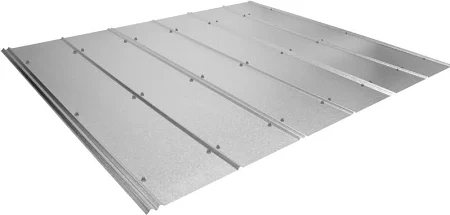
Its added rigidity makes it less prone to oil canning, less likely to flex in wind, and better equipped to handle hail and snow.
Typical lifespan: 30–40 years
Best for: Most residential applications, especially exposed fastener systems
24-Gauge Metal Roofing (Premium)
24-gauge metal is a premium-grade option ideal for homeowners seeking maximum durability, longevity, and curb appeal.
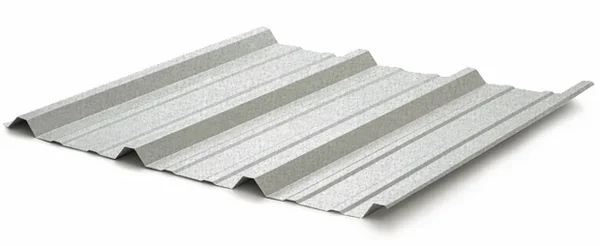
It’s the standard for standing seam metal roofing, which requires thicker panels to maintain structural stability across long, uninterrupted spans.
Thicker metal minimizes oil canning, withstands hail impact more effectively, and performs exceptionally well in high-wind or storm-prone regions.
Typical lifespan: 40–50+ years
Best for: Standing seam roofs and homes in severe weather areas
How Thinner Metal Fails (And When It Shows)
Choosing a lighter gauge often seems like a good way to reduce costs—until the first storm hits.
Thinner panels are more likely to show:
Hail Dents
Even modest hail can leave visible dents in 29-gauge metal. Thicker metal distributes impact energy more evenly, reducing damage.
Oil Canning
Thinner metal lacks rigidity, making it more susceptible to waviness and distortion. While oil canning doesn’t affect performance, homeowners usually dislike the appearance.
Wind Distortion
Wind passing over a thin panel can cause it to flex or vibrate. Over time, this movement weakens fastener points and may shorten the roof’s lifespan.
Fastener Pull-Through
In exposed fastener metal roofing systems, the screws that hold the panels in place are driven directly through the metal and into the roof deck.
Over time, those screws are subjected to constant movement from temperature changes, wind, and moisture.
As metal panels heat up, they expand. When temperatures drop, they contract. This repeated expansion and contraction, especially during freeze-thaw cycles, puts stress on the screw holes.
Gradually, the holes can enlarge, and the screws may begin to loosen, back out, or pull through the metal panel entirely.
Climate-Based Recommendations for PA Homeowners
Climate plays a major role in selecting the right gauge. Here in West Chester and the surrounding areas in Pennsylvania, we see a mix of harsh weather, including:
- Repeated freeze-thaw cycles
- Occasional hail
- Heavy snow accumulation
- High winds during thunderstorms
For these conditions, 26-gauge is the minimum recommended, and 24-gauge is the best option for standing seam systems or regions with higher wind or hail exposure.
29-gauge is rarely appropriate for residential homes in PA due to the wear and tear caused by our climate.
Standing Seam vs. Exposed Fastener Systems and Gauge
Gauge matters even more when choosing between standing-seam and exposed-fastener metal roofing.
Standing Seam Roofing
Standing seam panels are long, smooth, and uninterrupted by exposed screws.
Because of this clean design, the panels need to be structurally rigid to prevent waviness and withstand thermal expansion.
Recommended gauge:
- 24-gauge (ideal)
- 26-gauge (acceptable in limited conditions)
Trying to install standing seam in 29-gauge almost always ends badly.
Exposed Fastener Roofing (e.g., “AG Panel”)
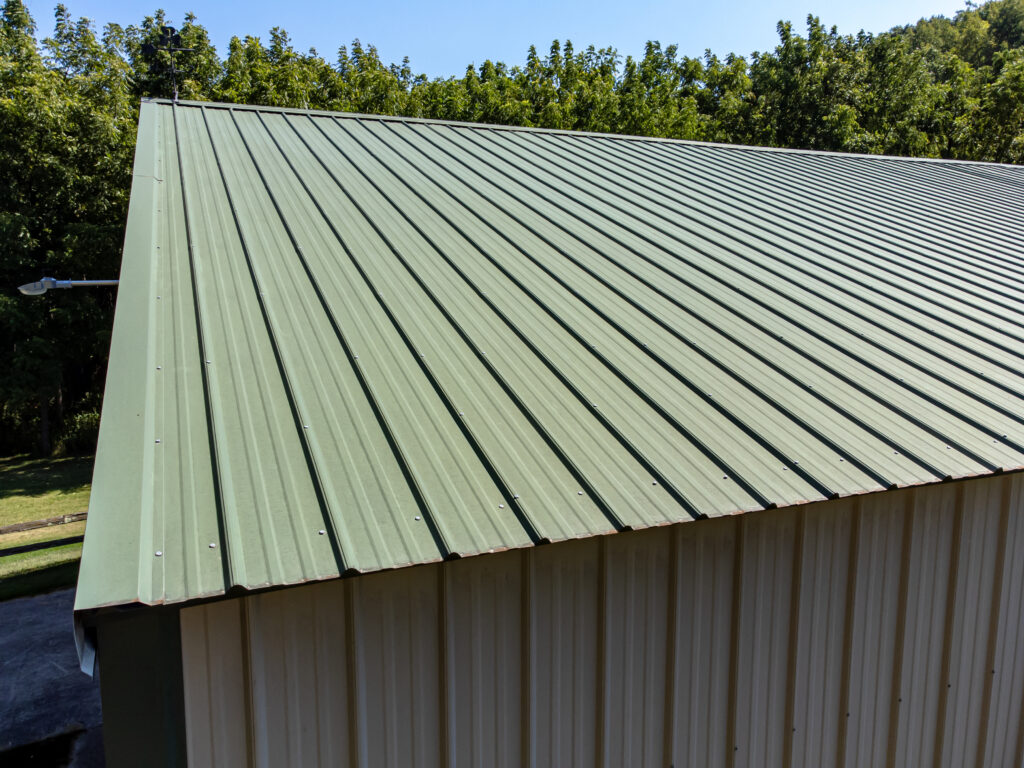
Exposed fastener panels overlap and are held down by visible screws. These shorter, segmented panels don’t require the same rigidity as standing seam.
Recommended gauge:
- 26-gauge (best balance of cost and performance)
- 29-gauge (acceptable for barns, sheds, and some low-risk structures)
When a Thinner Gauge Is Acceptable
29-gauge metal can work well in certain situations, but those situations are very specific.
Here are examples that illustrate when a thinner metal does make sense:
- You’re roofing a detached shed or workshop that stores lawn tools: These structures don’t require high-impact resistance or long-term climate durability, and homeowners often prefer the lowest-cost option.
- You’re covering a small backyard pavilion or patio roof that’s sheltered by surrounding trees: If the space isn’t exposed to open wind or large hail, a thinner panel can still perform well for light-duty coverage.
- You’re adding metal roofing to an agricultural building, like a hay barn or livestock shelter: These buildings typically prioritize coverage and affordability over aesthetics or long-term structural performance.
- You’re installing metal roofing on a garage that sits close to other buildings and doesn’t face direct wind exposure: In low-wind corridors with partial protection, thinner panels experience less stress.
- You’re renovating a structure you don’t plan to keep long-term: If the building is used temporarily or you expect to demolish, relocate, or repurpose it within a few years, heavier-gauge metal isn’t always necessary.
What 29-gauge is not ideal for:
- Homes in areas that have experienced hail in recent years.
- Houses on open lots, hills, or ridges
- Large roof surfaces where panel rigidity matters
- Any situation where appearance, longevity, and noise reduction matter
For primary residences, especially for homeowners planning to stay long-term, 26- or 24-gauge consistently offers better durability, appearance, and overall value.
The improved resistance to hail, wind uplift, and oil canning results in a roof that looks better and lasts significantly longer.
Professional Installation + Proper Gauge = Performance
Gauge alone won’t save your roof.
Even the thickest metal can fail if installed incorrectly.
Professional installation affects:
- Fastener placement
- Panel alignment
- Expansion allowances
- Underlayment choice
- Flashing details
- Oil canning prevention
The right gauge plus expert installation is what gives you a metal roof that lasts 50–70+ years without issues.
Ready to Choose the Right Gauge for Your Home?
Whether you’re comparing quotes, planning a replacement, or choosing between standing-seam and exposed-fastener roofing, our team can help you make a confident decision based on your home’s needs.
We’ll explain the right gauge for your roof, walk you through your options, and help you build a metal roofing system designed to last.
Contact GP Martini Roofing for a fast, free estimate for your metal roofing project.
FAQs
What gauge metal roof is best for most homes?
Most residential homes benefit from 26-gauge metal—it offers excellent durability without the higher cost of 24-gauge. In areas with hail or strong wind exposure, 24-gauge is the smarter long-term investment.
Is 29-gauge metal roofing too thin for a house?
For many Pennsylvania homes, yes. While 29-gauge works on sheds or barns, it’s more vulnerable to hail dents, wind distortion, and oil canning. Most homeowners are happier with 26- or 24-gauge.
Is thicker metal always better?
Thicker metal is stronger, but not always necessary. The right gauge depends on your climate, roof type, and the panel system. Standing seam should almost always use 24-gauge; exposed fastener systems perform well with 26-gauge.
Does gauge affect the cost of a metal roof?
Yes. Thicker gauges cost more because they use more steel and require stronger forming equipment. But in harsher climates, the added durability often prevents costly repairs or replacements—making the extra cost worth it.