Metal Roofing Cost Compared to Shingles: The True Long-Term Investment
What You’ll Learn
Is a metal roof really worth paying two to three times more than asphalt shingles?
For most long-term homeowners, yes, a metal roof is absolutely worth the higher upfront cost.
When you compare lifespan, maintenance, energy efficiency, and replacement cycles over 30–50 years, metal roofing often costs the same as or less than asphalt shingles.
You pay more on day one, but you avoid a second full replacement, spend far less on repairs, and often benefit from insurance and energy savings that shingles can’t match.
In This Blog:
You just got the estimate.
Your excitement about that metal roof you love fades.
It’s a standing-seam roof in a gorgeous color with incredible durability.
It’s also three times as much as the estimate you got for a standard asphalt shingle roof.
So, is it actually worth it?
That’s exactly what we’ll break down here, using real numbers and real-world scenarios to show when a metal roof is the smarter long-term investment—and when asphalt shingles make more financial sense.
Lifespan: How Long Do Metal Roofs Last vs. Shingles?
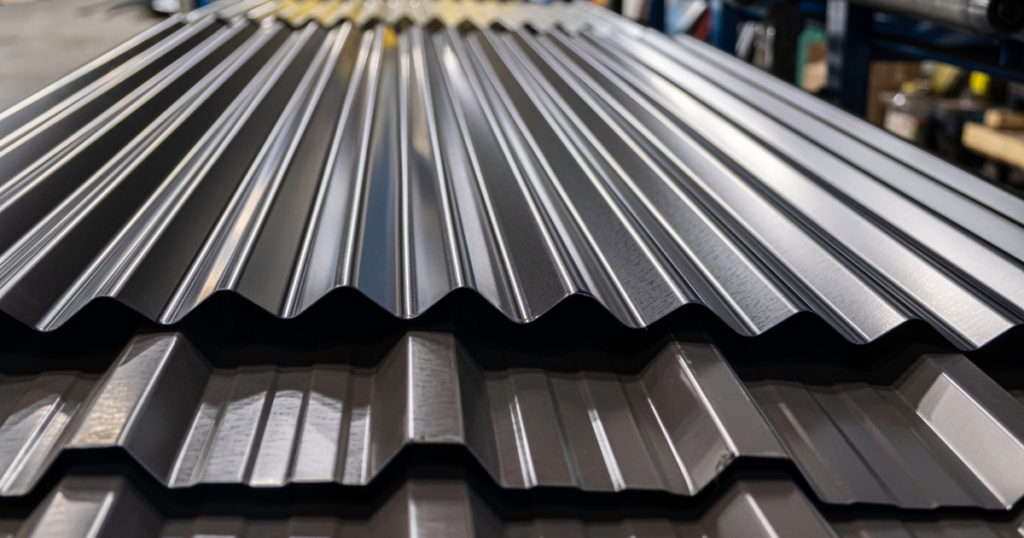
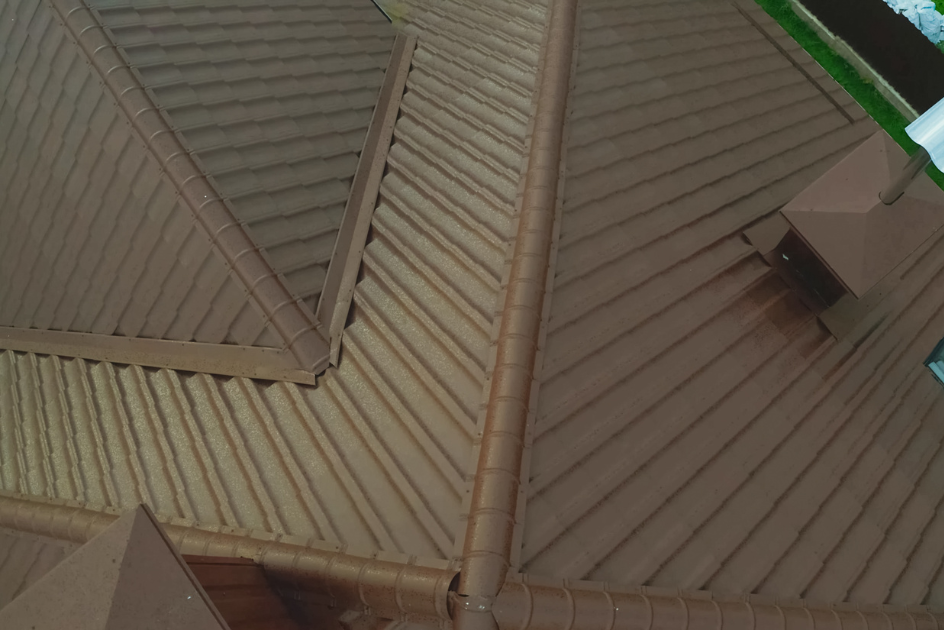
Metal Roofing (Standing Seam or Ribbed Panels)
- Typical lifespan: 40–70 years
- Highly resistant to wind, moisture, pests, and UV damage
- Fire-resistant and capable of handling harsh climates
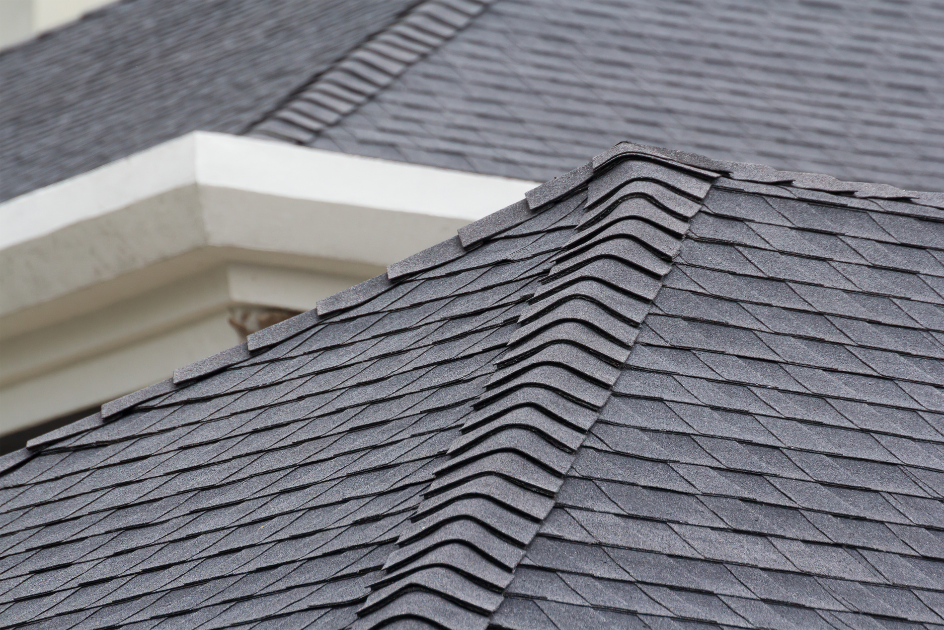
Asphalt Shingles
- Basic 3-tab: 15–20 years
- Architectural shingles: 20–30 years (in ideal conditions)
- Vulnerable to heat, UV breakdown, moss, wind uplift, and granule loss
In many cases, a metal roof lasts 2–3× longer than shingles, which alone matches the 2 to 3 times increase in upfront cost.
If you plan to stay in your home long-term, this significantly shifts the value equation.
Maintenance Costs Over 20–30 Years
Shingle Roof Maintenance
- Occasional repairs after storms
- Granule loss leads to reduced performance
- Flashing tends to fail before the roof does
- May require one full replacement in 20–30 years
Estimated 30-year maintenance + replacement cost: high
Metal Roof Maintenance
- Virtually maintenance-free
- No shingle loss, rot, mold, or granule wear
- Fasteners (on exposed systems) may need tightening every 10–15 years
- Standing seam systems require almost no upkeep
Estimated 30-year maintenance cost: very low
When homeowners consider the total cost of ownership, not just installation price, metal often comes out ahead.
Insurance Discounts & Durability Benefits
In many regions, metal roofing qualifies for insurance discounts due to its:
- Class 4 impact resistance
- Superior fire resistance
- Resistance to wind uplift
- Reduced the likelihood of storm-related claims
While this varies by carrier and location, many homeowners recoup 5–15% of their annual premium simply by switching to metal.
As shingles age, their wind and impact resistance diminishes—increasing maintenance and insurance claim risk.
Energy Efficiency & Monthly Savings
Metal roofing reflects solar heat rather than absorbing it.
In Pennsylvania and surrounding regions, homeowners typically see:
- 10–20% lower cooling costs in summer
- More stable attic temperatures
- Less strain on HVAC systems
Over 30–40 years, these savings can offset thousands of dollars of the initial cost difference.
Resale Value: Do Buyers Pay More for Metal Roofs?
Real estate data shows that homes with metal roofs:
- Sell for 2–6% more on average
- Stand out in competitive markets
- Appeal to buyers who value low maintenance
A new shingle roof helps resale value, but it doesn’t have the same premium as a long-lasting metal roof.
That said, it’s important to be realistic.
If you plan to sell your home within the next 3–7 years, you likely won’t recover the full cost difference between metal and shingles through resale alone. Most buyers appreciate a metal roof, but few will pay dollar-for-dollar what it costs to install.
A new shingle roof will also improve resale value and can be the more cost-effective choice if you’re selling soon. Metal delivers its highest financial return when you enjoy its benefits for many years before selling.
When Shingles Are the More Cost-Effective Choice
Metal is not the right answer for every situation.
Shingles may be the better choice if:
- You plan to move in the next 3–7 years
- You’re on a tight budget and need the lowest upfront cost
- Your neighborhood has strict HOA restrictions
- Your roof is extremely complex (valleys/dormers making metal more expensive)
Asphalt shingles remain a strong, cost-effective solution when installed correctly with quality materials.
A “Break-Even” Comparison for Metal Roofing Costs
| Roof Type | Initial Install | Expected Lifespan | Maintenance & Repairs (30 yrs) | Replacement Needed? | Estimated Total Cost |
|---|---|---|---|---|---|
| Asphalt Shingles | $12,000 | ~22 years | $4,500–$7,500 | Yes — 1 full replacement ($14k–$16k) | $30,500–$35,500 |
| Metal Roof | $30,000 | 40–60+ years | $750–$1,500 | No | $30,750–$31,500 |
Where the Break-Even Point Happens
By year 25–30, the shingle roof has typically been replaced once and requires ongoing repairs as it ages. At that same point, the metal roof is still performing as intended with minimal upkeep. That’s where the cost difference closes—and metal begins to pull ahead.
Is a Metal Roof Worth It? Here’s the Bottom Line
- If you plan to stay 20+ years: Metal is almost always the smarter investment.
- If storm resistance and low maintenance matter: Metal wins by a mile.
- If upfront cost is the priority: Shingles remain budget-friendly and reliable.
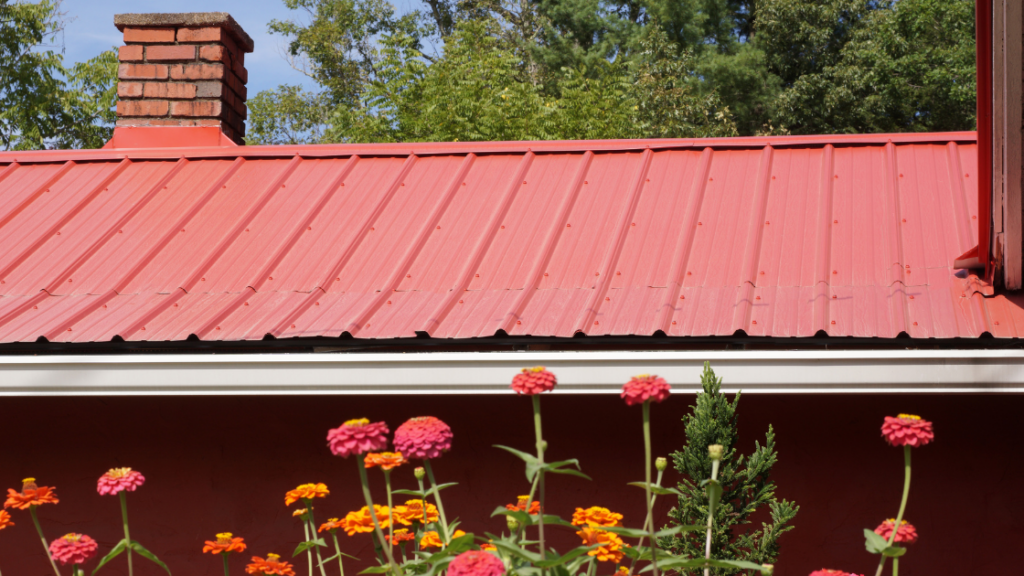
The best choice depends on your home, your timeline, and your priorities.
Compare Metal vs. Asphalt for Your Home
Whether you’re considering standing-seam metal or high-quality asphalt shingles, we can walk you through the real numbers and help you choose the roof that makes the most financial sense.
We’ll break down your options, explain long-term value, and help you make a decision you feel great about.
Contact GP Martini Roofing today for a free estimate.
FAQs
Is it cheaper to choose a metal roof or shingles?
Up front shingles are significantly cheaper, typically one-third to one-half the cost of metal. However, shingles often require more maintenance and typically need to be replaced once (or even twice) during the time a metal roof would still be performing well.
When you factor in lifespan, repairs, and potential energy savings, metal can become the more cost-effective choice over a 30–50 year period.
Does a metal roof increase home value?
Yes. Homes with metal roofs generally sell for 2–6% more because buyers value the long-term durability, energy efficiency, and reduced maintenance demands.
A metal roof can also make your home more competitive in the market, especially in areas where harsh weather makes durability a priority. This added resale value helps offset the higher upfront investment.
Will a metal roof lower my energy bills?
In many cases, yes. Metal roofing reflects solar heat rather than absorbing it, unlike asphalt shingles. That means your attic stays cooler, your air conditioner runs less, and your home remains more comfortable during hot months.
Most homeowners see 10–20% lower cooling costs, and those savings add up significantly over the lifespan of a metal roof.
Do metal roofs require frequent maintenance?
Metal roofs require far less maintenance than asphalt shingles. They don’t lose granules, crack, curl, or rot. Standing seam systems have no exposed fasteners, meaning there’s virtually nothing to maintain.
Exposed-fastener systems may require occasional screw tightening every 10–15 years. Overall, metal roofing has one of the lowest lifetime maintenance costs of any roofing material.
How long will a metal roof really last?
Most residential metal roofs last 40–70 years, depending on the metal type and installation quality. That’s two to three times longer than the lifespan of asphalt shingles.
Because metal doesn’t deteriorate from UV exposure or moisture the way shingles do, it maintains its integrity and appearance far longer, making it an excellent long-term investment.
 Rattling Siding: Why Your Siding Is Making Noise During Windstorms
 Overcoming HOA Challenges to Deliver Cost-Saving GAF Solar Roofing
 Solar Roofing vs. Traditional Roofing: What Homeowners Should Know
 Siding Warping: Why Your Home’s Shield is Failing and How to Fix It
 Metal Roofing Cost Breakdown: Materials, Labor, and Lifespan