The Pros and Cons of Stucco vs. Siding in Pennsylvania
What You’ll Learn
Is stucco or siding a better exterior choice for Pennsylvania homes?
Both stucco and siding can work well in Pennsylvania—but only when homeowners understand how snow, ice, wind, and moisture affect each material.
The wrong choice (or poor installation) can lead to costly repairs, while the right system can last decades.
In This Blog:
When winter finally gives way to spring, that’s when the siding issues emerge.
A small crack in the stucco that wasn’t there last year.
Soft, degrading trim near a window.
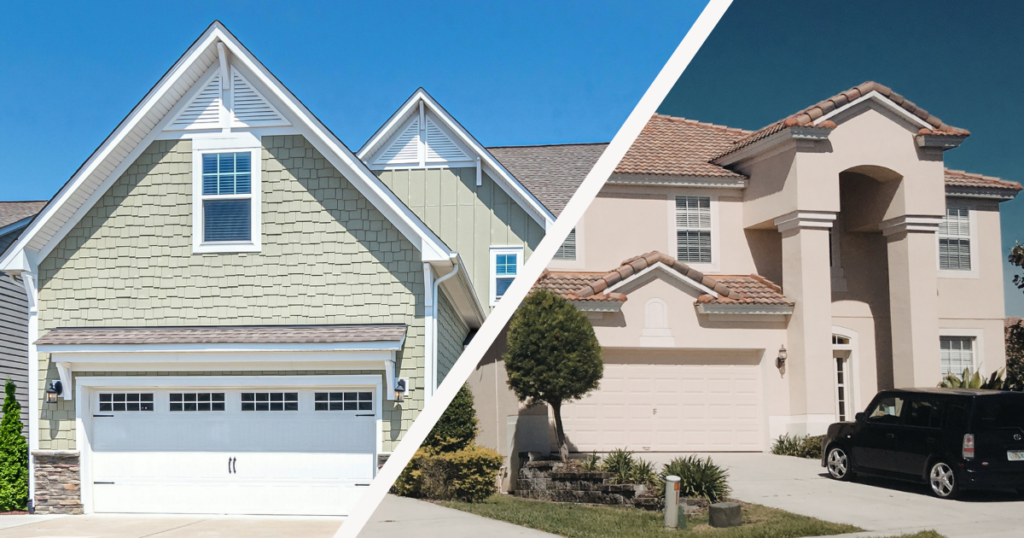
Stucco and siding are common all over Pennsylvania, but they don’t behave the same way once snow, ice, wind-driven rain, and freeze-thaw cycles enter the picture.
Choosing between stucco and siding in Pennsylvania isn’t about which material is “better.” It’s about understanding how each one interacts with this climate, how much maintenance you’re willing to take on, and how proactive you want to be over the life of your home.
How Pennsylvania’s Climate Impacts the Stucco vs. Siding Debate
Pennsylvania homes deal with a unique combination of weather stresses:
- Snow and ice buildup in winter
- Freeze-thaw cycles that stress materials
- Wind-driven rain
- High humidity during warmer months
These conditions make moisture management the single most important factor when choosing an exterior finish.
Materials that perform well in dry or warm climates can struggle here if they aren’t designed—and installed—for wet, seasonal weather.
Stucco in Pennsylvania: Beautiful, but Demanding
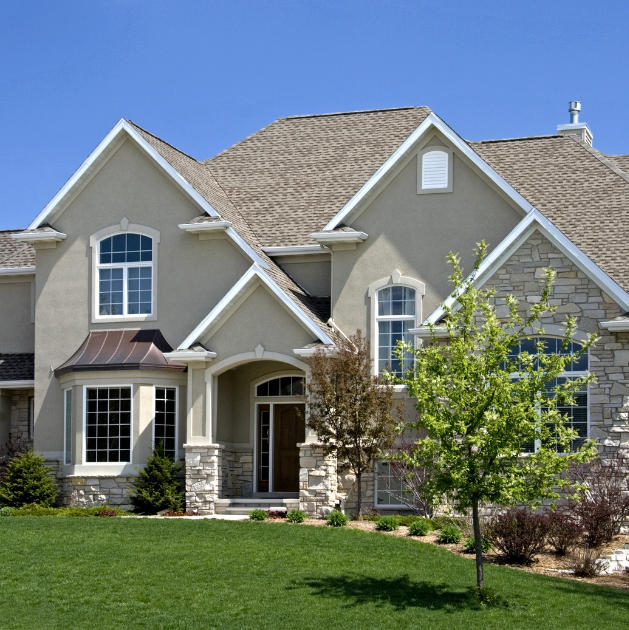
Stucco can be a durable and attractive exterior finish, but in Pennsylvania, it carries real risks that homeowners need to understand up front.
Most problems don’t come from stucco itself; they come from moisture management failures, installation quality, and climate stress over time.
Below are the most common stucco drawbacks and failure points in Pennsylvania.
Moisture Intrusion and Drainage Dependence
Stucco is not waterproof. It relies entirely on proper drainage layers, flashing, and weep systems to discharge water from the wall assembly.
In Pennsylvania’s climate—where snow, ice, and wind-driven rain are common—any breakdown in drainage can allow moisture to become trapped behind the stucco.
If a home does not already have a robust drainage system, adding or correcting it can significantly increase project cost.
Cracking from Freeze-Thaw Cycles
Stucco is a rigid material, which makes it vulnerable in climates with frequent temperature swings like Pennsylvania.
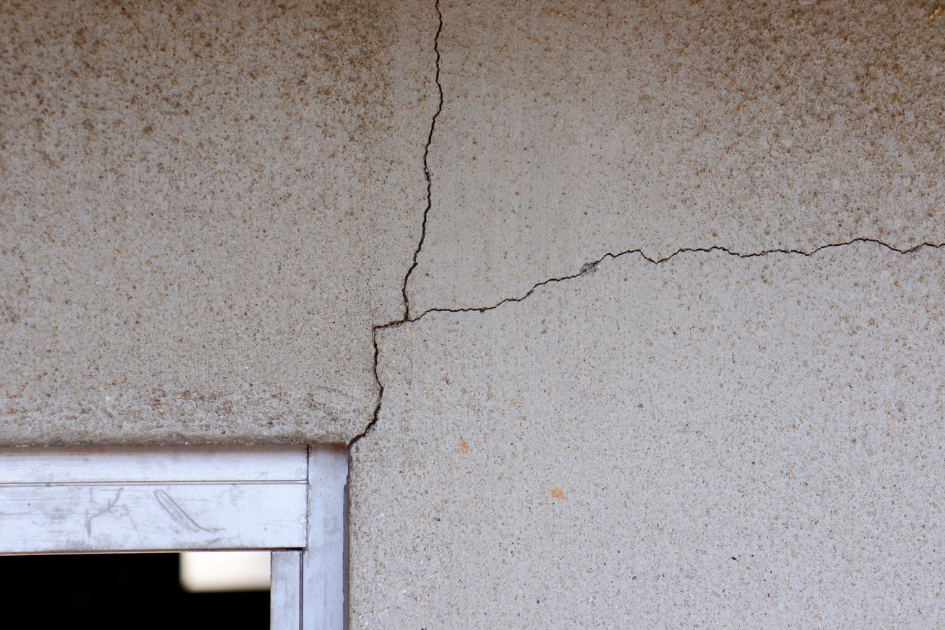
Hairline cracks often form naturally over time, especially around windows, doors, and transitions where materials expand and contract at different rates.
During rain or snowmelt, water enters these tiny cracks and seeps behind the stucco surface. When temperatures drop, the trapped moisture freezes and expands, widening the cracks slightly.
As the weather warms, the ice melts, leaving larger openings behind. With each freeze-thaw cycle, more water penetrates deeper into the wall assembly.
If those cracks aren’t sealed early, moisture continues migrating behind the stucco, where it can damage the drainage layer, sheathing, and framing.
Rot and Structural Damage Beneath the Surface
One of the biggest risks with stucco in Pennsylvania is that damage often stays hidden.
When moisture becomes trapped behind stucco, it can rot the sheathing and framing beneath without visible signs on the exterior.
By the time interior symptoms appear, such as staining, mold, or soft walls, the damage is often extensive.
In many cases, localized stucco repairs are not enough, and large sections (or all) of the stucco must be removed and replaced.
Synthetic Stucco (EIFS) Failures
Many Pennsylvania homes still have synthetic stucco systems (EIFS) installed during building trends from decades ago.
These systems often lacked proper drainage planes and were not designed for the wet conditions typical of Pennsylvania. As a result, many have failed prematurely, leading to widespread moisture intrusion and structural damage.
Modern stucco systems have improved, but older EIFS installations remain a common source of costly repairs.
Installation Quality and Skilled Labor Limitations
Stucco is highly installation-sensitive. Poor flashing, missing weep screeds, incorrect layering, or rushed workmanship can all lead to early failure.
In Pennsylvania, finding contractors with deep stucco-specific experience can be more challenging than finding siding installers. Even high-quality stucco materials will fail if installation details aren’t executed correctly.
High Cost and Difficult Repairs
Stucco has a higher upfront cost than most siding options, especially when proper drainage systems are included.
Repairs are also more complex and expensive. Matching textures and colors can be challenging, and repairs often require specialized labor.
This makes stucco a higher-commitment exterior compared with siding systems that are easier and less expensive to maintain.
When Stucco Does Make Sense in Pennsylvania
Stucco may be a good choice if:
- You’re willing to be proactive with inspections and repairs.
- Your home already has—or will receive—a proper drainage system.
- You value aesthetics and long-term durability over low maintenance.
- You’re working with an experienced contractor who specializes in stucco.
Stucco is not a “set it and forget it” exterior in PA—but for the right homeowner, it can still be a beautiful and durable option.
Siding in Pennsylvania: Practical and Forgiving
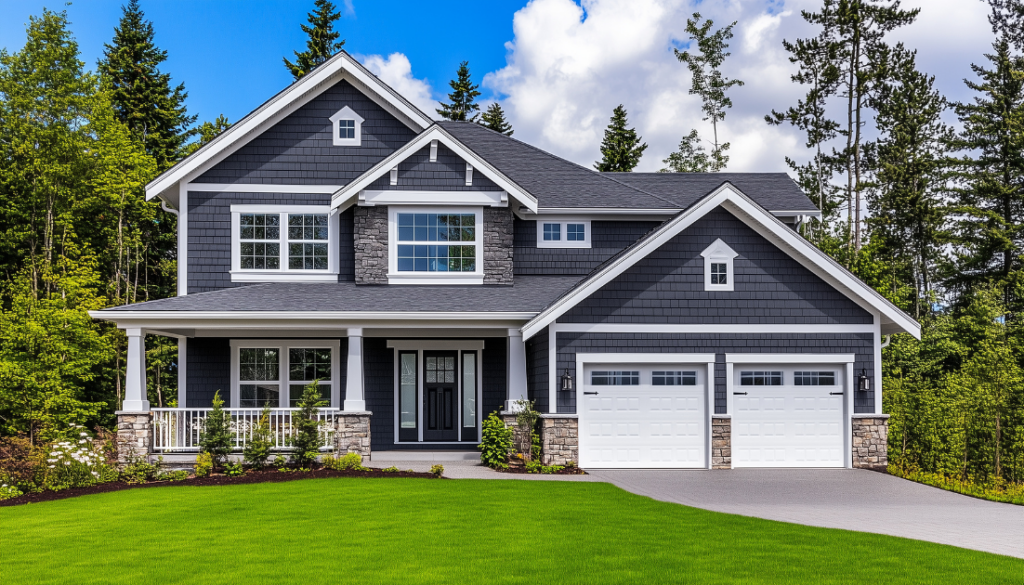
Siding systems tend to perform well in Pennsylvania because they are designed to shed water rather than trap it.
While no exterior is completely maintenance-free, modern siding materials are generally more forgiving in wet, freeze-thaw climates and easier to repair if problems arise.
Below are the key advantages and limitations of siding in Pennsylvania.
Moisture Management and Water Shedding
Unlike stucco, most siding systems are intentionally designed with air gaps and drainage planes that allow water to escape.
Vinyl, fiber cement, and engineered wood siding shed rain and melting snow effectively, making them well-suited for Pennsylvania’s frequent precipitation and seasonal moisture.
When installed properly with flashing and house wrap, siding systems reduce the risk of hidden moisture damage behind the walls.
Performance Through Freeze-Thaw Cycles
Siding materials generally withstand freeze-thaw cycles better than rigid finishes such as stucco.
Because siding panels can expand and contract independently, they’re less prone to cracking from temperature swings. This flexibility helps siding maintain its integrity during Pennsylvania winters, when repeated freezing and thawing can stress more brittle materials.
Easier, More Localized Repairs
One of siding’s biggest advantages is how easy it is to repair when issues arise.
Individual panels can often be removed and replaced without disturbing the rest of the exterior, making fixes faster, cleaner, and less expensive.
If moisture or damage is suspected, siding allows contractors to access specific areas, make targeted repairs, and reinstall new material without large-scale demolition, something that’s far more difficult with stucco systems.
Cost, Maintenance, and Repair Considerations
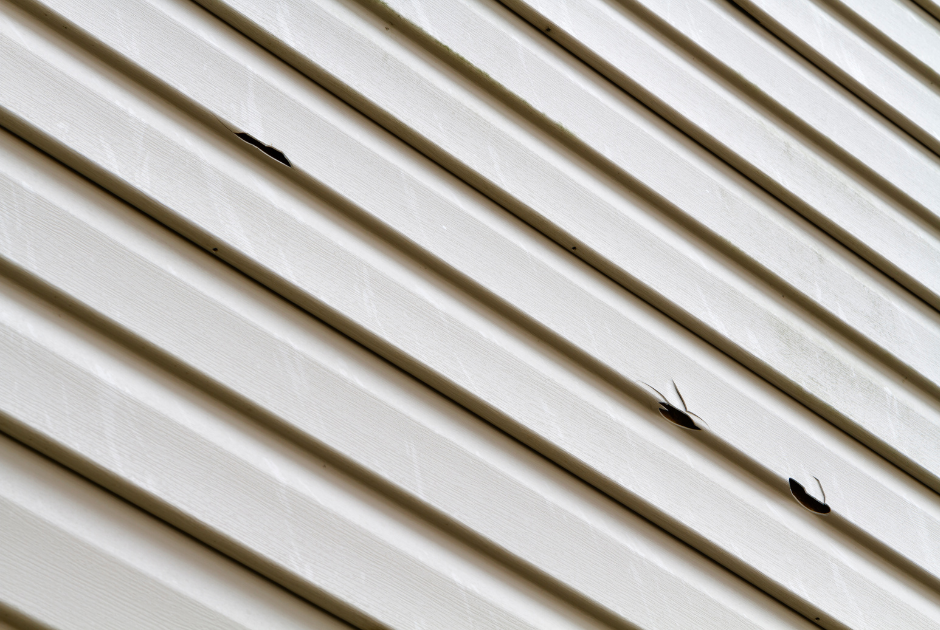
Siding generally has a lower upfront cost than stucco, particularly vinyl.
Maintenance requirements vary by material:
- Vinyl requires minimal upkeep.
- Fiber cement may need occasional repainting.
- Wood siding requires regular painting or staining.
Even when maintenance is required, repairs are typically localized and far less costly than stucco repairs.
Stucco vs. Siding: Which Is Better for Most PA Homes?
For most Pennsylvania homeowners, siding is the safer, more forgiving choice. It handles moisture better, requires less maintenance, and withstands freeze-thaw cycles well.
Stucco is best viewed as a specialty option—one that works when conditions, installation quality, and homeowner expectations align.
Choosing the Right Exterior for Your Home
The right choice depends on:
- Your home’s age and construction
- Existing drainage and flashing
- Your tolerance for maintenance
- Budget (both upfront and long-term)
- Architectural style
A professional evaluation can identify hidden risks—especially moisture concerns—before you commit to either option.
Find the Right Exterior for Your Home
Whether you’re repairing existing stucco, replacing siding, or deciding which material is right for your Pennsylvania home, our team can help you make a confident, informed decision.
We’ll evaluate your home’s exterior, explain your options honestly, and help you choose a solution built to handle Pennsylvania weather.
Contact GP Martini Roofing for a Free Estimate on your siding project.
FAQs
Can stucco be repaired, or does it usually need full replacement?
Minor surface cracks can sometimes be repaired, but if moisture is trapped behind the stucco, partial repairs are often ineffective. In many cases, affected sections—or the entire stucco exterior—must be removed to properly address underlying damage.
Why is siding considered more forgiving in Pennsylvania?
Most siding systems are designed to shed water and allow walls to dry. This makes them better suited to Pennsylvania’s rain, snow, and freeze-thaw cycles. If problems occur, siding can usually be removed and repaired locally, reducing the risk of widespread hidden damage.
What type of siding performs best in Pennsylvania?
Fiber cement siding performs exceptionally well due to its durability, moisture resistance, and fire resistance. Vinyl siding is popular for its low cost and maintenance, though it can be damaged by impact. Engineered wood siding offers a balance of appearance and performance when properly maintained.
Is vinyl siding maintenance-free?
No exterior material is completely maintenance-free, but vinyl siding requires very little upkeep. Fiber cement siding may need periodic attention, such as repainting over time, while wood siding requires the most ongoing maintenance. Even so, siding maintenance is typically far simpler and far less costly than repairing stucco systems.
How do I decide between stucco and siding for my home?
The decision depends on your home’s construction, existing drainage, location within Pennsylvania, and your tolerance for maintenance and risk. A professional inspection can identify moisture vulnerabilities and help you choose the exterior system that best fits your goals and your home’s realities.