Siding Lifespans in PA: How Long Each Material Really Lasts
What You’ll Learn
What siding material lasts the longest in PA?
Natural stone/brick and fiber cement siding can both last 50-100 years.
However, natural stone/brick is far more expensive than fiber cement siding, and fiber cement siding is more well-suited for Pennsylvania’s tough weather swings.
In This Blog:
When Jen was little, she wanted to be a princess.
She grew out of the fake crown, but her love for ancient, stone-walled castles never faded.
When she found out that her house needed a full siding replacement, the choice to strip away her boring tan vinyl siding and replace it with gorgeous stone felt obvious…
Until she was shown the prices and lifespans of several options.
Jen went back to the drawing board to find the best siding option that would fit her wants and her Pennsylvania home’s needs.
Vinyl Siding: Affordable with an Achilles’ Heel
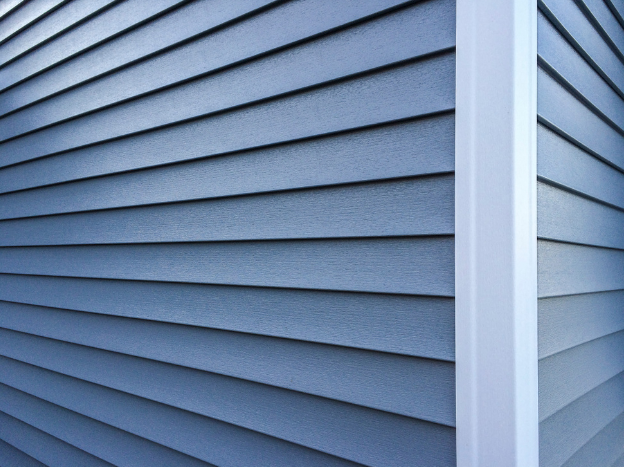
Vinyl remains the most popular residential siding option across the Commonwealth due to its undeniable affordability and ease of installation.
- Average Lifespan: 20 to 40 years.
- Estimated Cost: $4 to $12 per square foot installed (typically $8,000 to $24,000 for a mid-sized home).
Performance in PA Weather
Vinyl handles Pennsylvania’s heavy rain and humidity remarkably well because it is completely synthetic and cannot rot.
However, its Achilles’ heel is the winter freeze-thaw cycle.
When temperatures plunge below freezing, vinyl becomes brittle. If hit by something heavy during a cold snap, it can crack or shatter.
Additionally, intense summer UV rays will cause darker vinyl shades to fade more quickly and possibly warp in high temperatures.
Fiber Cement Siding: The PA Weather Warrior
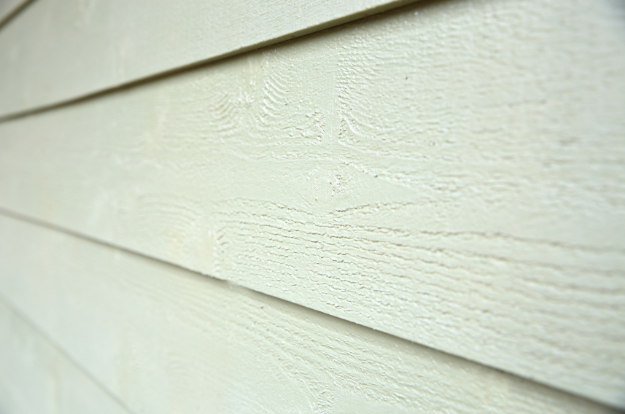
Fiber cement is a heavy-duty composite material made from cement, sand, water, and cellulose wood fibers.
It has surged in popularity for homeowners looking for a premium, long-term investment.
- Average Lifespan: 50 to 100 years.
- Estimated Cost: $5 to $15 per square foot installed (typically $14,000 to $25,000+ depending on home complexity).
Performance in PA Weather
Fiber cement is arguably the king of PA weather resistance.
Leading brands format their products specifically for northeastern zones. This formulation resists moisture absorption, preventing the panels from expanding and contracting during rapid temperature shifts.
It shrugs off freezing winter temperatures, resists hail impact, is entirely fireproof, and won’t rot during muggy July humidity.
It does require repainting every ~15 years, but structurally, it will last a long time.
Natural Wood Siding: The Rustic Look that Requires Upkeep
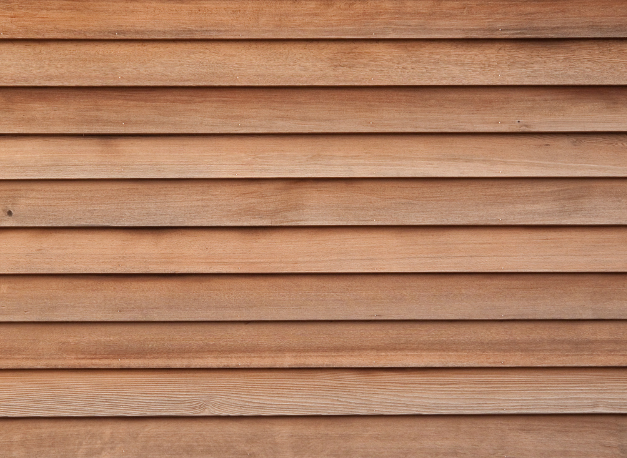
Natural wood (such as cedar lap or shingles) offers a timeless, high-end, rustic beauty that synthetic materials struggle to replicate flawlessly.
- Average Lifespan: 15 to 40 years (entirely dependent on meticulous maintenance).
- Estimated Cost: $6 to $20 per square foot installed.
Performance in PA Weather
Wood is highly vulnerable to Pennsylvania’s climate. The intense humidity of mid-Atlantic summers creates a breeding ground for mold and mildew on organic surfaces.
Meanwhile, freezing winter moisture can seep into micro-cracks in unsealed wood, expand, and split the grain.
Wood also faces threats from native PA pests like termites and carpenter bees.
To survive in PA, wood siding must be scraped, caulked, and stained or painted every 3 to 5 years. Without this strict upkeep, it will rot prematurely.
Metal Siding (Aluminum and Steel): Tough Siding that Needs Reinforcement
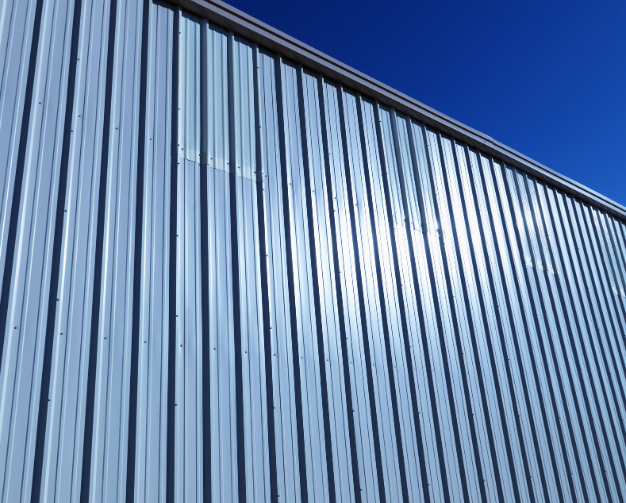
Modern metal siding has evolved far beyond the industrial looks of the past, offering sleek, contemporary horizontal and vertical profiles.
- Average Lifespan: 20 to 40 years.
- Estimated Cost: $5.50 to $11 per square foot installed.
Performance in PA Weather
Metal handles the extreme temperature swings of Pennsylvania beautifully because it does not expand, contract, or absorb moisture. It will never rot, and insects ignore it.
However, aluminum is a softer metal, making it highly susceptible to cosmetic damage from PA’s severe spring hailstorms or falling tree limbs.
Steel is tougher but requires a high-quality, protective coating; if that coating is deeply scratched and exposed to heavy Pennsylvania snowfall and road salts, it can develop rust spots.
Natural Stone and Brick Siding: Long-lasting but Expensive
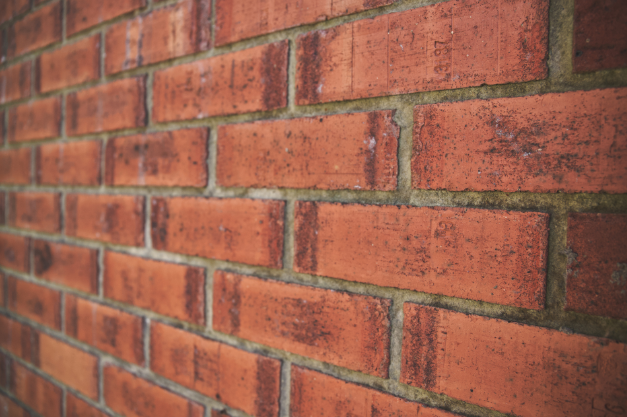
For unmatched architectural prestige and permanence, traditional stone veneer, solid brick, or stone masonry are the gold standards.
- Average Lifespan: 50 to 100+ years (often outlasts the structure itself).
- Estimated Cost: $15 to $48+ per square foot installed (the most expensive option by a wide margin).
Performance in PA Weather
Brick and stone are virtually indestructible against wind, hail, fire, and heat.
However, their primary enemy in Pennsylvania is the freeze-thaw cycle.
When rainwater gets trapped in porous mortar joints and subsequently freezes, it expands. This pressure can cause the mortar to crack and crumble over decades, a process known as spalling.
To prevent water from seeping behind the stone and rotting the home’s wooden frame, flawless flashing and a high-grade moisture barrier are non-negotiable during installation.
Siding Comparison
| Material | Average Lifespan | Cost Rating | Main PA Weather Issue |
| Vinyl | 20-40 years | $ | Brittle in extreme cold |
| Fiber cement | 50-100 years | $$ | None; requires painting over time |
| Wood | 15-40 years | $$$ | High humidity rot & winter splits |
| Metal | 20-40 years | $$ | Rust & hail dents (aluminum) |
| Brick/stone | 100+ years | $$$$ | Mortar cracking from freeze-thaw cycles |
Choose the Best Fit
Whether you’re working with a budget and want vinyl siding or want to invest in a lifetime guarantee with stone or brick, we’re ready to help.
Our experts will help you choose the right material for you, and we’ll work with you from the start of the process all the way to the end.
Contact GP Martini Roofing for your free siding estimate.
FAQs
Which siding material is best suited for Pennsylvania’s extreme weather swings?
Fiber cement siding is highly recommended for Pennsylvania’s climate.
Engineered specifically for northern zones, it resists moisture absorption and will not expand or contract during rapid freeze-thaw cycles.
It easily withstands freezing winter temperatures, severe summer humidity, and heavy spring hail without cracking, warping, or rotting over time.
How does Pennsylvania’s winter weather specifically affect vinyl siding?
Pennsylvania’s freezing winter temperatures can make vinyl siding quite brittle. While vinyl is highly moisture-resistant, severe cold snaps increase its vulnerability to physical damage.
If struck by large hail, a falling tree branch, or a stray rock during the winter months, the frozen vinyl panels can crack or shatter.
What maintenance does natural wood siding require to survive in PA?
To survive Pennsylvania’s intense summer humidity and wet winters, natural wood siding requires strict maintenance every three to five years.
Homeowners must regularly scrape, caulk, and apply fresh stain or paint. Without this rigorous upkeep, trapped moisture from snow and humidity will inevitably lead to premature rotting, warping, and insect infestations.
Can the Pennsylvania freeze-thaw cycle damage stone or brick siding?
Yes, the freeze-thaw cycle is the primary threat to stone and brick. When winter rain or melting snow seeps into porous mortar joints and subsequently freezes, the water expands.
Over decades, this constant pressure can cause the mortar to crack and crumble, requiring specialized repair work to prevent structural water damage.