Pest Damage Behind Your Siding: Signs and Prevention

What You’ll Learn
How do I know if I have pest damage behind my siding?
There are common signs to look for: small drilled holes, splintered edges, sawdust piles near the baseboard, mud tubes, and nests around warped panels.
If you see any of these signs, you should call a pest control company first to have it inspected, and call your siding company later for any potential repairs.
In This Blog:
Pests rarely announce themselves.
They leave little clues and wait for homeowners to overlook them.
Ben fell into their trap while cleaning up his yard.
He noticed a few small holes near the bottom of his siding, but they seemed harmless.
He didn’t spare them another thought.
A few months later, those tiny openings had turned into a much bigger repair.
Which Pests Hide Behind Siding?
Knowing the likely suspects helps you read the clues they leave.
- Carpenter ants and termites tunnel through damp or rotting wood.
- Carpenter bees drill neat round holes to nest.
- Wasps and hornets build nests in gaps behind panels.
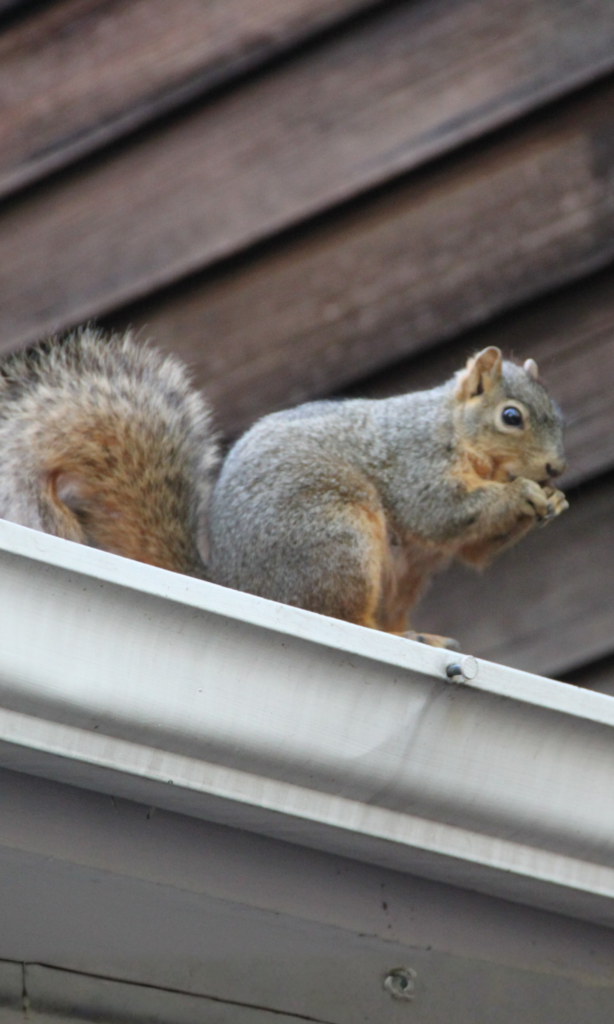
- Mice and squirrels chew their way in looking for warmth, especially in fall.
Each one leaves its own calling card on your siding.
5 Signs of Pest Damage on Your Siding
Walk the perimeter of your home a few times a year and look closely for these warning signs.
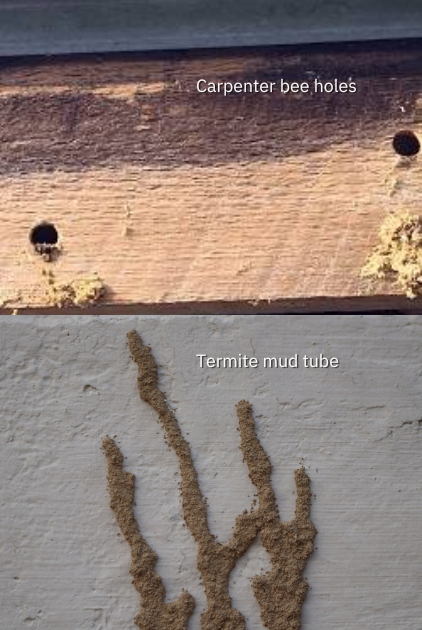
- Small drilled holes: Round holes about the size of a dime often point to carpenter bees. Tiny pinholes can signal beetles or termites at work.
- Chewed or splintered edges: Gnaw marks along panel edges, corners, or trim usually mean rodents are forcing their way in.
- Sawdust piling near the base of the wall: Fine wood shavings, called frass, collect below spots where insects are tunneling. Fresh piles mean active pests.
- Mud tubes: Pencil-width tunnels of dried mud running up your foundation or siding are a classic termite sign, and they need attention right away.
- Nests behind warped panels: Siding that bulges or pulls away from the wall can be hiding wasp nests, rodent nests, or insect colonies in the gap behind it.
Any one of these deserves a closer look. Two or more together usually means pests have already settled in.
What Happens If Pest Damage Goes Untreated
Ignoring these signs doesn’t just risk a bigger pest problem.
It puts the structure of your home on the line.
- Structural damage: Termites and carpenter ants can eat into the wood framing and sheathing behind your siding. Over time, that weakens the walls that hold up your home.
- Wood rot and mold: Pest tunnels and entry holes let rainwater reach places it should never go. Trapped moisture leads to rot and mold, which spreads quietly behind the panels.
- Higher energy bills: Damaged siding and chewed insulation let your heated or cooled air leak out. Your HVAC system runs harder, and you pay for it every month.
The frustrating part is how quietly this happens. A wall can look mostly fine from the street while the wood behind it crumbles.
How to Prevent Pest Damage Behind Your Siding
Prevention is far cheaper than repair, and most of it comes down to removing what attracts pests in the first place.
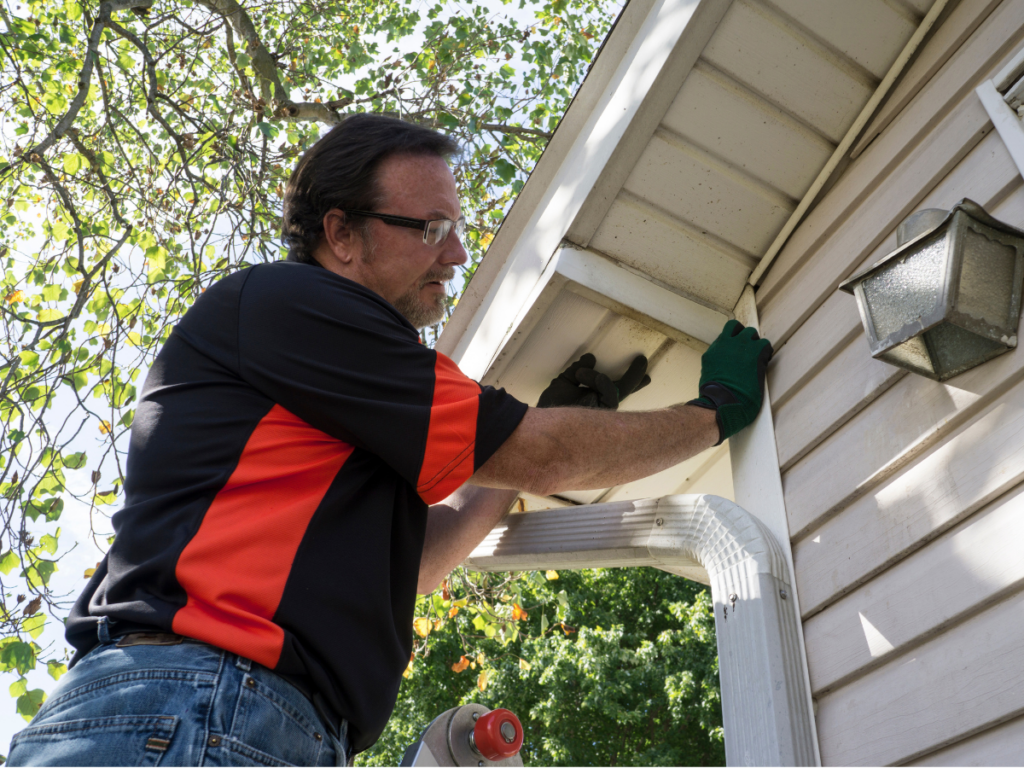
Fix Your Gutters
Pests follow moisture, so start where water goes wrong.
Clogged or leaking gutters spill water down your walls, and that constant dampness rots the wood and invites carpenter ants and termites to feed.
Clean your gutters at least twice a year, repair leaks quickly, and make sure downspouts carry water well away from the foundation.
Keep Leaves, Mulch, and Weeds Away from the House
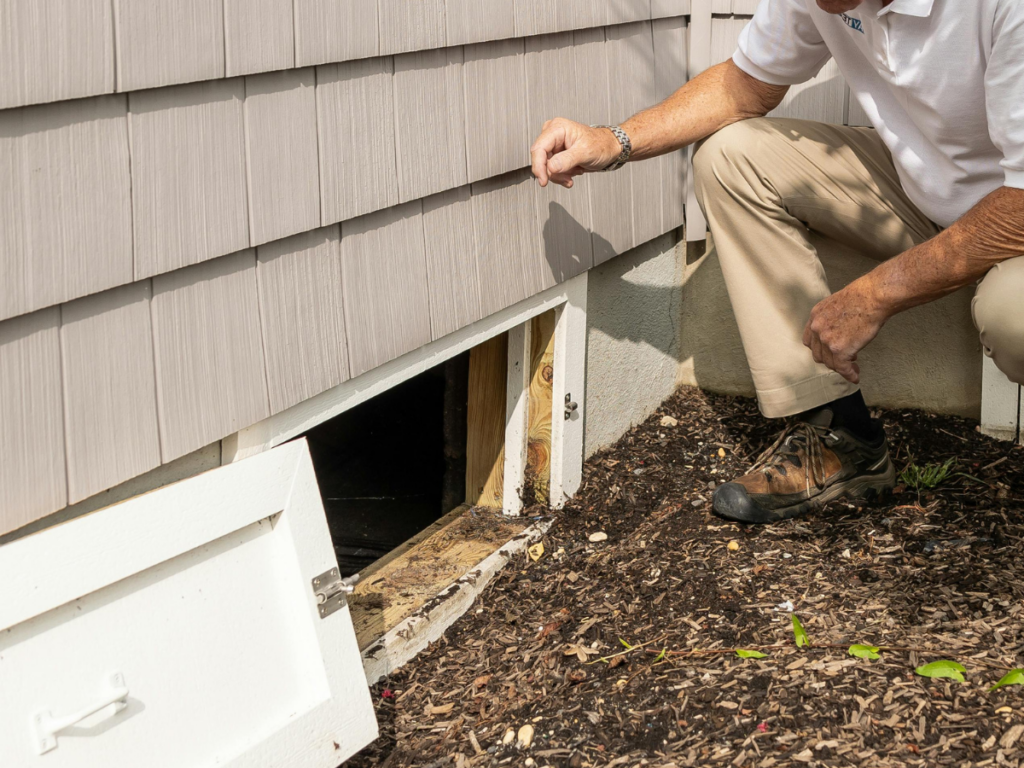
Your landscaping can either feed a pest problem or starve it.
Rake leaves away from the base of your walls, keep mulch a few inches back from the siding, and pull weeds growing against the house. Piled-up organic material holds moisture and gives insects a protected highway right to your siding’s edge.
We see this on homes across southeastern Pennsylvania: the worst pest damage almost always sits behind an overgrown flower bed or a leaf pile that never got cleared.
Seal Every Entry Point
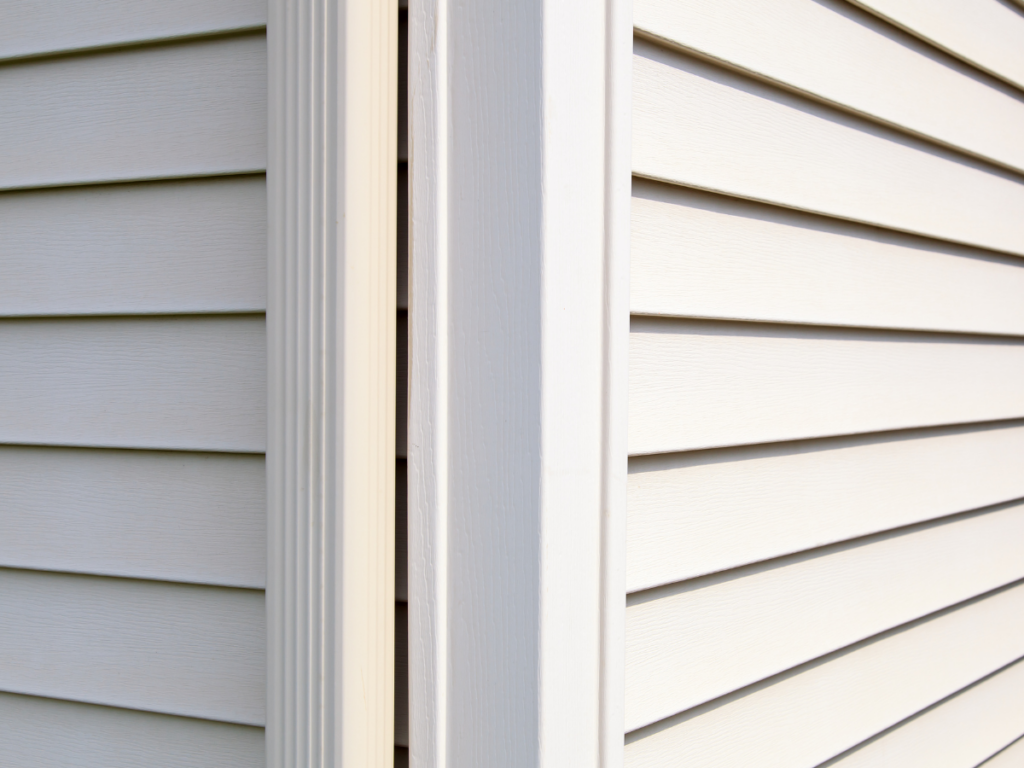
Pests only need a gap the width of a pencil, and mice need barely more.
Install cap corners so panel ends aren’t left open, cover vents with fine mesh screens, and caulk gaps around windows, doors, pipes, and trim.
Check these seals each spring and fall, since caulk shrinks and cracks with our freeze-thaw cycles.
When Prevention Isn’t Enough: Repair or Replace
Sometimes the pests beat you to it. If you’re seeing multiple warning signs, or the damage has spread, call an exterminator first. There’s no point installing new siding over an active infestation.
Once the pests are cleared out, have the siding and the wood behind it inspected. Minor damage may only need a partial replacement of the affected panels and sheathing.
Widespread rot, mold, or structural damage usually calls for a full siding replacement, which gives you the chance to upgrade to more pest-resistant material and fresh insulation.
Avoid Worrying About Your Siding
Catching pest damage early protects your home’s structure, your insulation, and your savings.
A quick inspection now beats a major repair later.
GP Martini Roofing is ready to give you an honest assessment of your siding, with straight answers about warranties, cost, and financing.
Contact GP Martini Roofing today for a free estimate, and let’s make sure nothing is living behind your walls rent-free.

FAQs
How often should I check my siding for pests?
Twice a year works for most homes, once in spring and once in fall. Those checks line up with the seasons when insects become active and when rodents start hunting for winter shelter.
Add a quick walk-around after major storms, since new cracks and gaps give pests an easy way inside.
Does vinyl or fiber cement siding prevent pests?
Pests can’t eat vinyl or fiber cement the way they eat wood, so both materials remove a major food source. But insects and rodents can still nest in the gaps behind any siding if they find a way in, so sealing entry points and managing moisture matter no matter what your walls are made of.
Can I just patch a small area of damaged siding?
If the damage is limited and the wood behind it is still sound, a partial repair is often all you need. The catch is that surface damage rarely tells the whole story.
A proper inspection of the sheathing and framing underneath is the only way to know how far the problem goes.
Should I call an exterminator or a contractor first?
Call the exterminator first if pests are active, then bring in a contractor to assess and repair the damage. Reversing the order risks sealing live pests inside your walls, where they keep eating and nesting.
Many homeowners schedule both visits within the same week to keep the project moving.