A Guide to Roof and Attic Ventilation
What You’ll Learn
Why is my attic so hot?
A hot attic is a classic sign of poor ventilation.
A balanced system pulls in cool air and exhausts hot, moist air, which regulates attic temperature to protect your roof structure.
In This Blog:
You’ve heard about “proper home ventilation” plenty of times.
When you hear it, you think of your furnace exhaust, the fan above your stove, or just opening some windows from time to time for fresh air.
You don’t think about your roof or the forgotten attic where all your Christmas decor is shoved away.
But proper attic and roof ventilation is actually a major part of maintaining your home’s structural integrity and keeping your energy bills in check.
A Healthy, Stable, and Efficient Home with Proper Ventilation
Proper ventilation in your attic and roof ensures:
- Preservation of Roof and Structural Integrity: Without ventilation, your attic can become a breeding ground for problems like rot, decay, mold, and mildew. This can lead to issues like premature roof aging and structural damage. Proper ventilation helps in maintaining the longevity of your roof and the overall structural integrity of your home.
- Energy Efficiency: An efficiently ventilated home is more energy-efficient. During hot summers, proper ventilation prevents your attic from becoming a heat trap, reducing the workload on your air conditioning system. In the winter, it helps to prevent ice dams by keeping the attic’s temperature consistent, which in turn can save on heating costs.
- Health Benefits: Proper attic and roof ventilation reduces the risk of indoor air pollutants originating from the attic space. These pollutants can include mold spores and other allergens that, when circulated, can lead to respiratory issues and allergies.
Signs of Poor Ventilation
It’s crucial to recognize the signs of poor attic and roof ventilation as they directly impact the health of your home and the comfort of your living spaces.
Here are common indicators that your attic and roof ventilation may be inadequate:
- Hot and Stuffy Attic: If you enter your attic during the summer months and find it sweltering hot, it’s a clear sign that hot air is being trapped rather than effectively ventilated.
- Ice Dams: In colder months, seeing ice dams along the eaves of your roof is a strong indication of inadequate attic ventilation.
When warm air from your living spaces rises into the attic, it can melt snow on the roof, which then refreezes at the eaves, leading to ice dams. This can result in water infiltration and damage to your roof and interior.
- Excessive Condensation: Poor attic and roof ventilation can lead to excessive condensation in your attic space.
If you notice condensation forming on the underside of your roof deck or dripping from rafters, it indicates that warm, moist air from your home is not adequately vented and can cause structural damage and mold growth.
- Peeling Paint and Water Stains: Water stains on your ceilings or walls, as well as peeling paint, can result from moisture accumulating in the attic due to insufficient ventilation. This moisture can find its way into your living spaces, causing unsightly damage.
- Mold and Mildew Growth: Musty or moldy odors in your home, especially in the attic or upper levels, may be a sign of excessive moisture due to poor ventilation.
Mold and mildew thrive in damp environments and can affect both your indoor air quality and your health.
- Increased Energy Bills: Poor attic and roof ventilation can lead to higher energy bills.
During the summer, your attic may become excessively hot, causing your air conditioning system to work harder. In the winter, heat can escape through the attic. This not only increases your energy bills but also makes for uncomfortable living spaces.
Your PECO bill includes a comparison to the prices of your neighbors’ bills. This is a good reference to figure out if your home is using significantly more energy.
- Warped Roof Decking: In severe cases, inadequate attic ventilation can cause the roof decking (the layer beneath your roofing materials) to warp or deteriorate due to moisture buildup. This can lead to costly roof repairs or replacements.
Choosing the Right Ventilation System: Passive vs. Active
There are 2 types of ventilation systems: passive and active systems.
Passive systems rely on natural forces like convection and wind to facilitate airflow.
These systems are generally more energy-efficient and cost-effective to install because they don’t require electricity to operate.
Active systems, on the other hand, use mechanical systems to enhance airflow.
These systems can provide more immediate and controlled ventilation, making them particularly useful in areas with extreme temperatures or for addressing specific ventilation issues.
Passive Ventilation Systems
Roof Vents
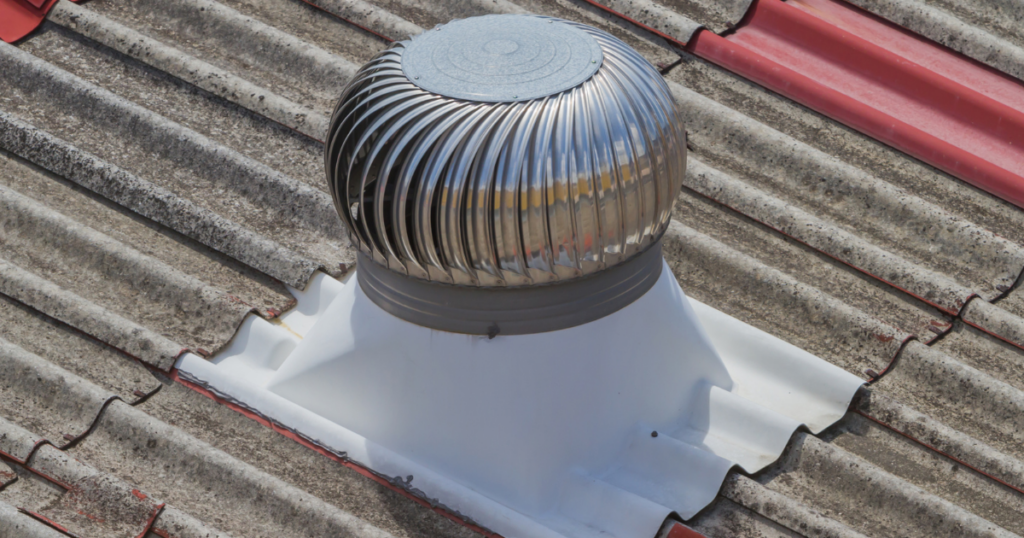
Roof vents are strategically placed openings in the roof that allow hot air and moisture to escape passively. They come in various styles, including ridge vents, box vents, and turbine vents. Ridge vents are installed along the roof ridge, while box and turbine vents are typically mounted on the roof’s surface. These vents rely on natural convection currents and wind to facilitate airflow.
Soffit Vents
Soffit vents are located in the eaves of your roof and provide an inlet for fresh, cooler air to enter the attic. They work in conjunction with roof vents to create a flow of air. Properly positioned soffit vents help prevent moisture buildup and regulate attic temperature.
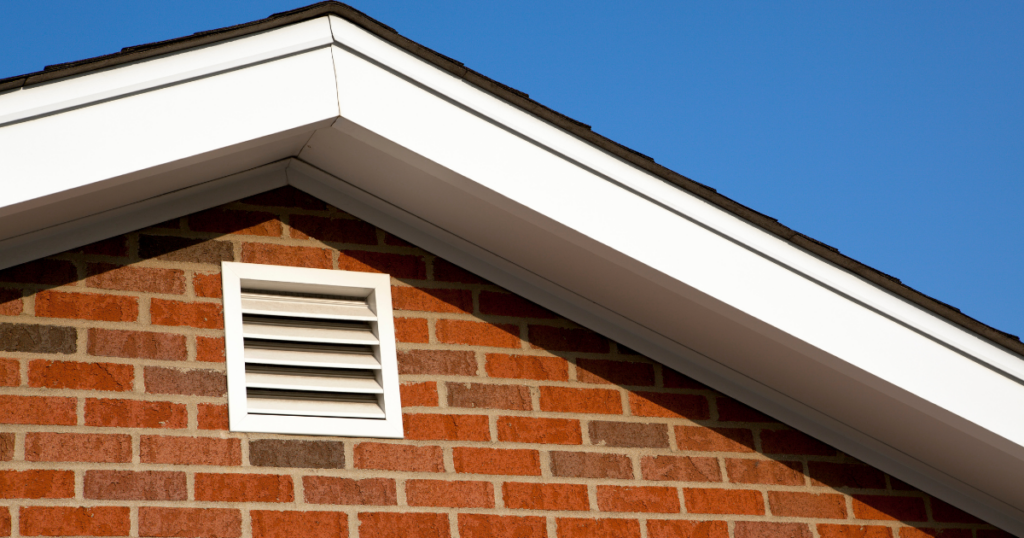
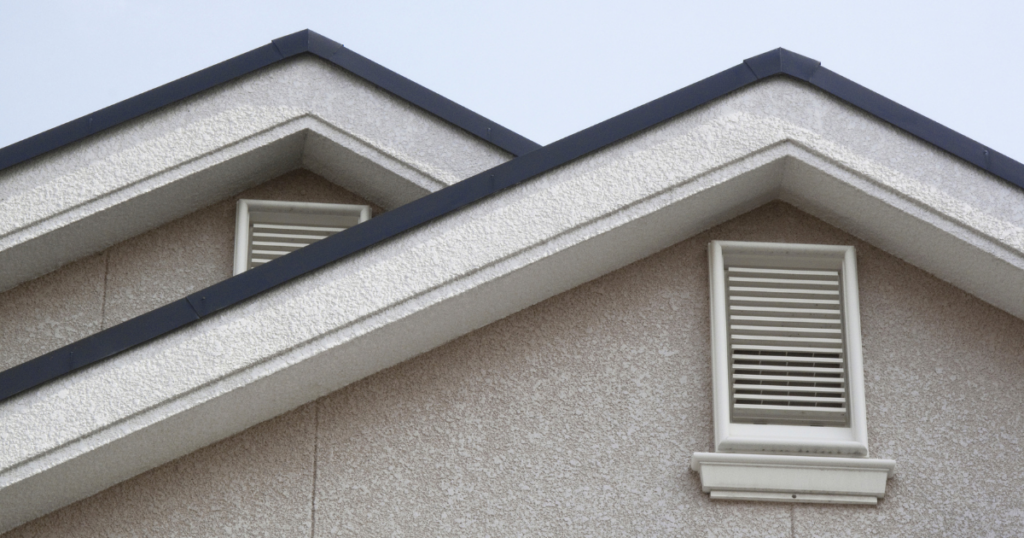
Gable Vents
Gable vents are typically found on the exterior walls near the roofline. They allow for passive ventilation by letting hot air escape from the attic.
Gable vents are especially effective when paired with soffit vents because they create a cross-ventilation system that pulls cool air in and forces warm air out.
Active Ventilation Systems
Attic Fans
Also known as attic ventilators or attic exhaust fans, they are mechanical devices that actively remove hot air and moisture from the attic space. They are installed on the roof or in the attic wall and are equipped with sensors, thermostats, or timers to control their operation. Attic fans are especially beneficial in areas with hot climates or during the summer months.
Solar Attic Fans
Solar attic fans are a type of attic fan that operates using solar energy. They harness the power of the sun to ventilate your attic, making them energy-efficient and environmentally friendly. Solar attic fans can be a cost-effective option for improving attic ventilation.
Power Roof Ventilators
Power roof ventilators are motorized fans that are installed on the roof and are designed to exhaust hot air from the attic. They are often used in commercial and industrial settings but can also be suitable for large residential attics that require substantial ventilation.
Proper Ventilation Starts with Proper Installation
Proper installation of your attic and roof ventilation system is essential for a comfortable and efficient home.
The first step is to assess your roof’s needs and plan accordingly.
- Measure your attic, identify existing vents, and determine if you need more ventilation.
- Decide if you need passive (no electricity) or active (electrically powered) ventilation based on your needs and budget.
- The goal is to have 1 square foot of vent area per 150 square feet of attic space, but this can be adjusted as needed.
Some ventilation systems, especially passive ones, can be DIY-friendly if you have the necessary tools and skills.
However, you should consult a professional roofer for more complex electrical installations to ensure it is installed correctly.
Maintaining Your Ventilation Systems
Once your attic fans and roof ventilation systems are in place, proper maintenance is essential to ensure they continue to function efficiently and extend their lifespan.
Perform Regular Checks: Inspect your system periodically for blockages, damage, or wear.
Scheduled Maintenance: Active systems may need routine maintenance, like cleaning and lubricating, per the manufacturer’s instructions. Schedule regular maintenance to keep your system in working order.
Keep Your Roof, Attic, and Home Properly Ventilated—Contact Us for a Free Estimate
Proper ventilation is the first step to a comfortable, energy-efficient, and well-maintained home.
Our team of professional roofers will assess your ventilation needs and provide you with a detailed, reliable estimate. Contact us today for a free estimate on your ventilation project.
FAQs
What are the most common signs that my attic ventilation is failing?
Your ventilation may be in trouble if your attic feels extremely hot in summer, you see ice dams forming at your eaves in winter, or you notice moisture, mold, or peeling paint in your attic.
These all point to trapped heat and moisture.
What’s the difference between soffit vents and ridge vents?
Soffit vents under your eaves are the intake, letting cool, fresh air into the attic.
Ridge vents along the peak of your roof are the exhaust, letting hot, moist air escape. This creates a continuous flow that keeps your attic healthy.
Can I improve my attic ventilation myself, or do I need a professional?
While you can visually check for blocked vents, designing and installing a balanced ventilation system is a job for a professional.
An incorrect setup can be worse than none at all, creating new moisture problems or voiding your roof’s warranty.