How Freeze-Thaw Cycles Affect Your Roof Over Time
What You’ll Learn
What is freeze-thaw roof damage, and how can I stop it?
Freeze-thaw cycles break down the layers of your roof bit by bit. You can easily go from a few curling, broken shingles to a serious leak.
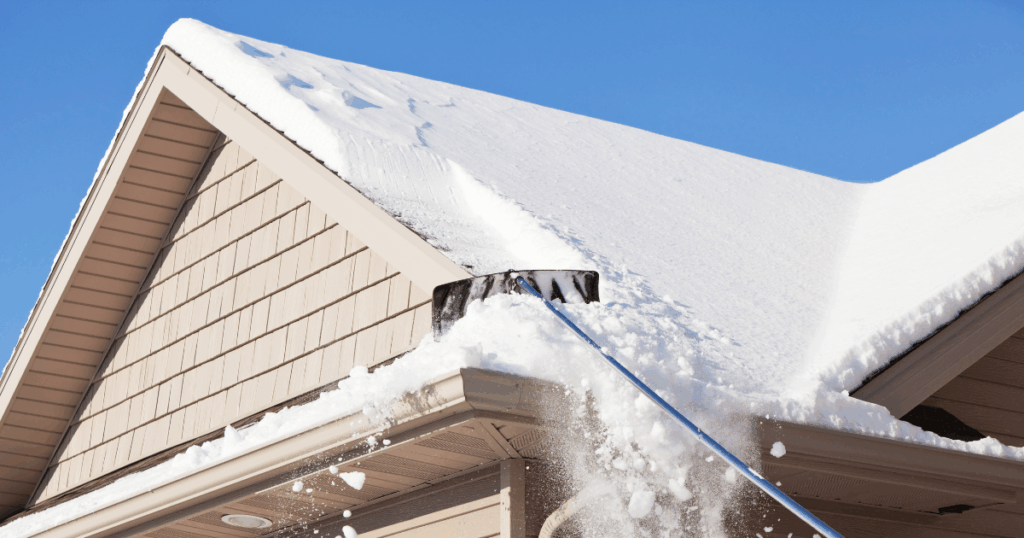
Thankfully, there are many steps you can take to protect your roof, like removing snow with a roof rake.
If the damage has already been done, professionals have solutions for you.
In This Blog:
Your kid’s snowman looked majestic two nights ago.
Today it’s a puddle.
That swing of 20°F to 60°F isn’t being kind to your roof either—it’s actively damaging it.
Those freeze-thaw cycles are a silent killer. Little by little, day by day: water gets in, freezes, expands, thaws, repeats.
Your roof can only withstand so much, and so cracks, shifts, leaks, and general degradation happens.
You may not feel or even see damage right away, but no one wants to find it too late.
How Freeze-Thaw Cycles Break Down Roofing Systems
Freeze-thaw cycles are easy to describe: when water freezes, it expands and pushes outward; when it thaws, it contracts, leaving behind gaps and stresses.
This is how the process works on your roof:
1. Moisture Infiltration
Any gaps, cracks, or open spaces under shingles, flashing, or other parts of your roof collect water (could be melted snow, dew, or rain).
2. Freeze Expansion
As temperatures drop, that trapped water freezes. As it does, it expands and pushes against shingles, nails, underlayment, and flashing layers, pulling the carefully joined pieces apart.
The original gaps get bigger, and when the water melts, they can now hold more moisture than they did before.
3. Thaw Contraction
When the water melts, the roofing materials—like the shingles—contract and weaken.
The original gaps get bigger too and can now hold more moisture than they did before.
4. The Cycle Repeats
When the next freeze happens, the cycle continues and damage worsens.
If freeze-thaw cycles happen frequently enough with no intervention to mitigate initial or progressing damage, eventually the strength of your roofing materials decays.
That’s how you end up with:
- Brittle, lifting, curling, or cracking shingles
- Flashing and sealants that detach
- Nails popping and shifting
- Delamination of underlayment, decking, or membrane
Since there are multiple layers in a roofing system, surface damage can very easily become a serious problem weeks or months later.
Red Flags You Shouldn’t Ignore
There’s no need to wait for your roof to fall apart and wreck your home. Here’s what to look out for:
Exterior Signs
- Lifting, curling, or cracked shingles
- “Bare” patches of roof or missing granules
- Sagging gutters
- Damaged flashing or sealant gaps
- Thick ridges of ice along the edges of the roof—these are called ice dams and force water under your shingles, saturating your deck and causing rot.
Interior Signs
- Water stains
- Mold or mildew in the attic
- Damp insulation
- Humid smell
- Condensation in the attic during winter
- Increasing energy bills—you’re losing heat if some of these are happening
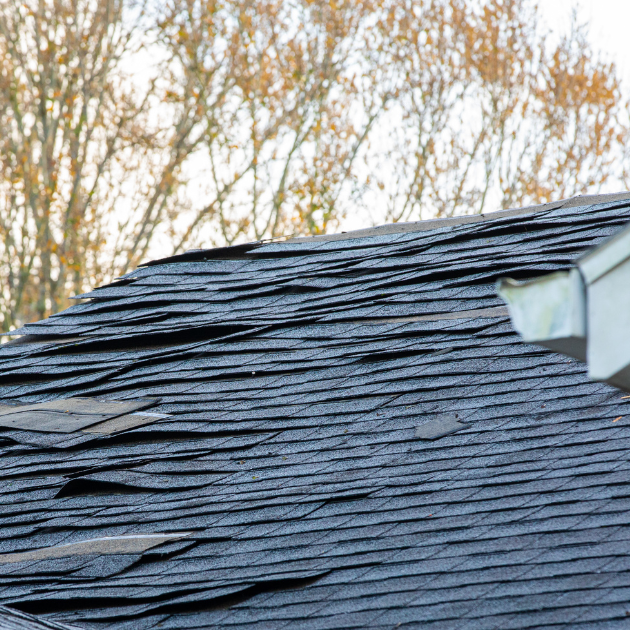
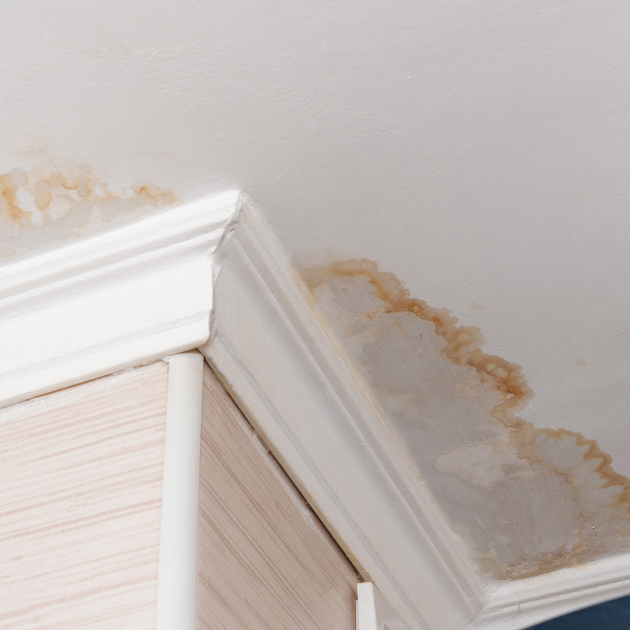
If you’re seeing any of these signs—or multiple at the same time—freeze-thaw damage is already happening.
How to Winter-Proof Your Roof
As a homeowner, you want to protect your home from any and all damage.
Here’s what you can do to prevent freeze-thaw damage, and what you do if you catch the warning signs.
Prevention
To prevent freeze-thaw damage, you will need both expert help and DIY methods:
Expert Help
- Seal your attic: stop warm air from reaching your attic, heating your roof, and causing snow to thaw unevenly.
- Vent your attic: good ventilation to allow cold air through can help reduce the formation of ice dams.
- Insulation: creates a barrier that slows warm air from reaching the attic and unevenly heating your roof.
- Mid-winter inspections: assess damage while it can be repaired rather than replaced.
DIY Protection
- Maintain gutters: clear leaves and other debris to prevent blockage.
- Remove excess snow or ice (when safe): to avoid climbing your roof, a roof rake can be used to reduce the risk of ice dams.
Professional Mitigation
Schedule an inspection for a comprehensive assessment of the quality of materials, the installation, and the state of your roof.
Then you can decide what you need:
- New cold-weather rated materials to replace damaged parts and pieces
- Installing ice and water barriers in susceptible areas
- Precision flashing or detailing
- Flat/low-slope roofing designs will need features like high elongation or expansion joints to allow movement
- Professional ventilation and sealing
It is crucial that your home has the best materials available to withstand the changes in weather. This can mean that a full replacement of your roof will be better at preventing damage in the long-run as opposed to just replacing what is broken.
Winter Is Coming—Is Your Roof Ready?
As the potholes can attest, temperature swings in Pennsylvania are relentless. Each freeze-thaw cycle tests the integrity of your roof, and waiting until the damage gets done is never a good idea.
If you’ve spotted some warning signs, or just want to make sure your roof is ready for winter, don’t wait.
Contact GP Martini Roofing for a Free Estimate.

FAQs
What is a freeze-thaw cycle?
A freeze-thaw cycle happens when temperatures get warmer during the day or a few days, and then drops below freezing suddenly.
Water that has gotten into gaps in your roof expands as it freezes, putting pressure on the materials.
When it thaws, the materials contract and those gaps become larger. The cycle repeats.
How can I tell if freeze-thaw cycles have damaged my roof?
If you notice shingles that are curling or cracking, your flashing has come loose, your gutters are sagging, or there are water stains inside your home.
Another important sign is ice dams, which form when water pools along the edge of your roof and freezes, pushing water underneath.
How do freeze-thaw cycles cause leaks?
With each freeze-thaw cycle, water and ice penetrate deeper into other layers your roof.
Eventually, that water will reach your interior walls and attic.
What can I do to prevent freeze-thaw damage?
Having your roof maintained regularly, properly ventilating your attic, and ensuring that you have good insulation can prevent freeze-thaw damage.
Inspections can also prevent bigger issues by handling any minor degradation on your roof.
When should I call a roofing contractor?
If it has been a while since your roof was inspected, if your roof is over 15 years old, or you notice any signs of interior or exterior damage, contact a contractor.