The 7 Most Common Roof Myths Debunked by Pros
What You’ll Learn
Is it true that metal roofs are really noisy?
Nope! You’re thinking of the roof of an old barn, where you can hear every drop of rain hitting the roof.
Modern metal roofs are just as noisy as more common asphalt shingle roofs. They’re installed over solid decking and underlayment, so the sound you’re imagining is very muted.
In This Blog:
The wind has been relentless lately.
And your roof has lost a few shingles.
You check online for advice on what to do, and light up when you read that it should be an easy DIY fix.
What they don’t mention is that you could do more harm than good if you fix those shingles yourself.
This is how countless roofing problems start: with misinformation and myths.
Keep reading as we debunk seven of the most common roofing myths so that you can protect your home.
Common Roofing Myths
Bad advice spreads easily. Outdated home-improvement blogs, viral TikToks, and unlicensed handymen often share shortcuts that might look helpful, but will actually cost you more in the long run.
Roofing is a technical system; one small error can compromise the entire structure.
1. No Leak Means No Problem
Myth: If you don’t hear a leak, your roof is fine.
Fact: Leaks are the last symptom, not the first.
A roof can deteriorate for months (even years) before you ever see water inside.
The real danger lies beneath your shingles: damaged decking, poor ventilation, and weakened underlayment silently erode your home’s structure.
By the time a leak shows up, you’re likely facing mold growth, structural damage, and other costly repairs inside your attics and walls.
In fact, water damage is one of the top homeowner insurance claims nationwide.
2. A DIY Patch Is Enough
Myth: You can just DIY patch problem spots.
Fact: DIY fixes are unsafe, ineffective, and can void your warranty.
Roofing looks simple enough on a computer screen, but a single misplaced shingle or bad sealant job can let water soak right through your roof instead of running off.
This can increase the chances of wood rot and mold growth.
Even worse, any unlicensed or improper repair can void your manufacturer’s warranty, leaving you responsible for future costs.
Roof work is also one of the most dangerous home projects. Professional crews use specific safety gear and techniques that protect both your roof and your life.
Besides, doing your own roof work would involve sourcing your own roofing materials, and as our blog “The Hidden Costs of DIY Roofing Materials” details, this won’t save you money or time.
3. Your Roof Doesn’t Save You Energy
Myth: A new roof won’t significantly affect energy bills.
Fact: Properly installed, high-quality roofs can improve energy efficiency.
Modern roofing systems do more than keep rain out. They can regulate attic temperature, prevent moisture buildup, and reflect heat in summer.
Poor ventilation or outdated materials cause your HVAC to work overtime, driving up utility bills.
At GP Martini Roofing, our roofing systems are built for energy savings, helping you lower monthly costs while extending your roof’s life.
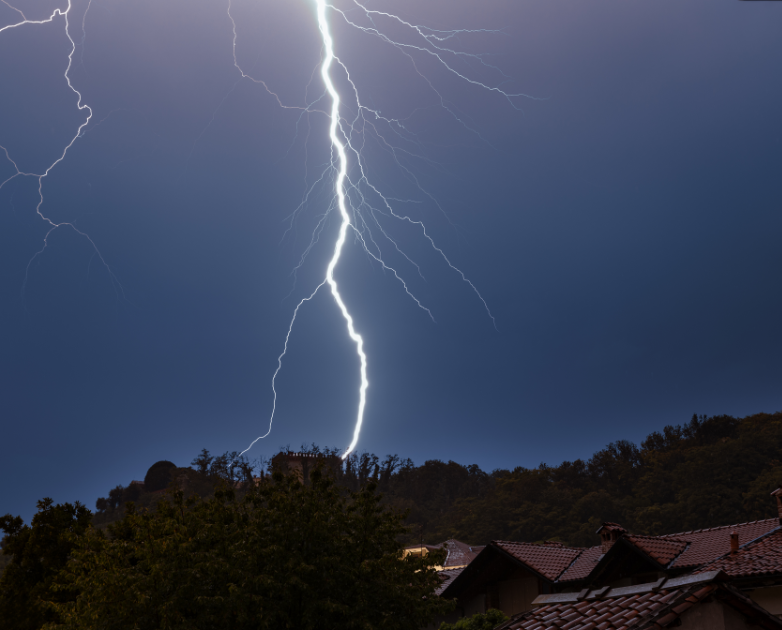
4. Metal Roofs Are Too Loud (or Attract Lightning)
Myth: Metal roofs are noisy, attract lightning, or rust easily.
Fact: Modern metal roofs are quiet, do not attract lightning, and are built to last.
That “tin drum in the rain” sound? It only happens in barns or sheds without insulation. Today’s metal roofs are installed over solid decking and underlayment—making them no louder than asphalt shingles.
As far as attracting lightning and being susceptible to rust:
- Your roof’s material isn’t a magnet for lightning. However, your home’s location and height could be.
- Modern metal roofs have coatings and finishes applied to prevent that type of water damage.
5. All Roofing Companies Are the Same
Myth: All roofing companies are scammers.
Fact: Reputable, local roofing companies operate with integrity—but bad ones do exist.
After a bad storm, “storm chasers” often flood neighborhoods with promises of fast, cheap repairs.
They pressure you into signing contracts, take your deposit, and then disappear.
They leave behind subpar work, no warranty, and oftentimes, no way to contact them again.
Homeowners trust GP Martini Roofing. We’re a local, family-run business with decades of community investment.
We’re licensed, insured, and transparent about pricing and materials.
No pressure, no gimmicks, just honest work.
If you would like to learn more about storm chasers, watch our video:
6. Patching Is Cheaper Than Replacing
Myth: Constantly repairing an old roof is cheaper than replacing it.
Fact: Frequent patch jobs cost more over time and don’t fix the core issue.
Every patch adds temporary protection but never addresses the root damage.
As the underlying system weakens, repairs get closer together and more expensive. Eventually, you’re spending more than a replacement would have cost in the first place.
A full roof replacement restores energy efficiency, adds resale value, and protects your home.
7. Only Inspect After a Storm
Myth: You don’t need annual roof inspections.
Fact: Annual roof inspections are essential preventive maintenance.
While a post-storm inspection is critical, annual checks—typically in the spring or fall—are necessary to catch slow, seasonal wear and tear before it becomes a bigger problem.
Proactive inspections save homeowners thousands of dollars by identifying poor ventilation, bad flashing, and other pressing issues.
Partner with GP Marini Roofing for Knowledge and Trust
Don’t trust everything you hear—online or by word of mouth.
Well-meaning tips and tricks can often result in bigger, less “fixable” problems.
With GP Martini Roofing, you don’t have to worry about separating myths from facts.
We will answer all and any roofing questions honestly.
For accurate roof replacement benefits and information, contact GP Martini Roofing for a Free Estimate.

FAQs
What can I do to check if my roof needs repair before it leaks?
Schedule regular inspections! Having your roof inspected and keeping an eye out for signs of wear and tear—like missing shingles—is essential for catching these problems early and preventing structural damage.
Most roof issues begin long before water appears inside your home.
Is it safe to repair my roof on my own?
No. DIY roofing is unsafe and often ineffective. Without the proper tools, training, and safety gear, you risk both injury and additional roof damage.
In fact, DIY roof repairs can void your manufacturer’s warranty.
How can I avoid roofing scams?
Always choose a licensed, insured, and local roofing company with verifiable references.
Reputable businesses like GP Martini Roofing offer transparent pricing, written warranties, and have long-standing community trust.
If you feel pressured or rushed to make a roofing decision by your contractor, check if they are reliable.
Is patching my roof multiple times cheaper than replacing it?
Not in the long run. Each patch offers only temporary protection and doesn’t fix the underlying damage.
Over time, recurring fixes can add up and exceed the cost of a full replacement.
How often should I have my roof inspected?
It is recommended to have at least one inspection a year, every spring or fall.
Seasonal temperature changes, storms, and natural wear can cause subtle damage that isn’t visible from the ground.
Annual or seasonal checkups catch issues early, saving you from expensive emergency repairs later.