Weathering the Storm: How Metal Roofs Prevail Against Damage
What You’ll Learn
Can a metal roof withstand PA weather?
Absolutely. When properly installed with the right gauge and design, a metal roof is engineered to shed snow quickly, resist high winds, and withstand hail impacts far better than many traditional roofing materials.
In This Blog:
Your roof is next on your home improvement list.
You like the look of a metal roof, but how will it hold up to the storms?
No roof is invincible, but a metal roof made right will handle almost any weather.
Here’s a breakdown of what to expect with metal roofs and storms.
Metal Roofs vs. Storms: What to Expect
Hailstorms
Hailstorms can pose a significant threat to roofing materials. Metal roofs, however, have a distinct advantage when it comes to resisting hail damage.
The impact resistance of a metal roof largely depends on the gauge or thickness of the metal.
A metal roof with the right gauge for your area will have the hail bouncing right off with minimal to no dent left behind.
Thicker gauges provide better protection against hailstones, and steeper slopes help reduce the direct impact of hail.
Snow & Ice
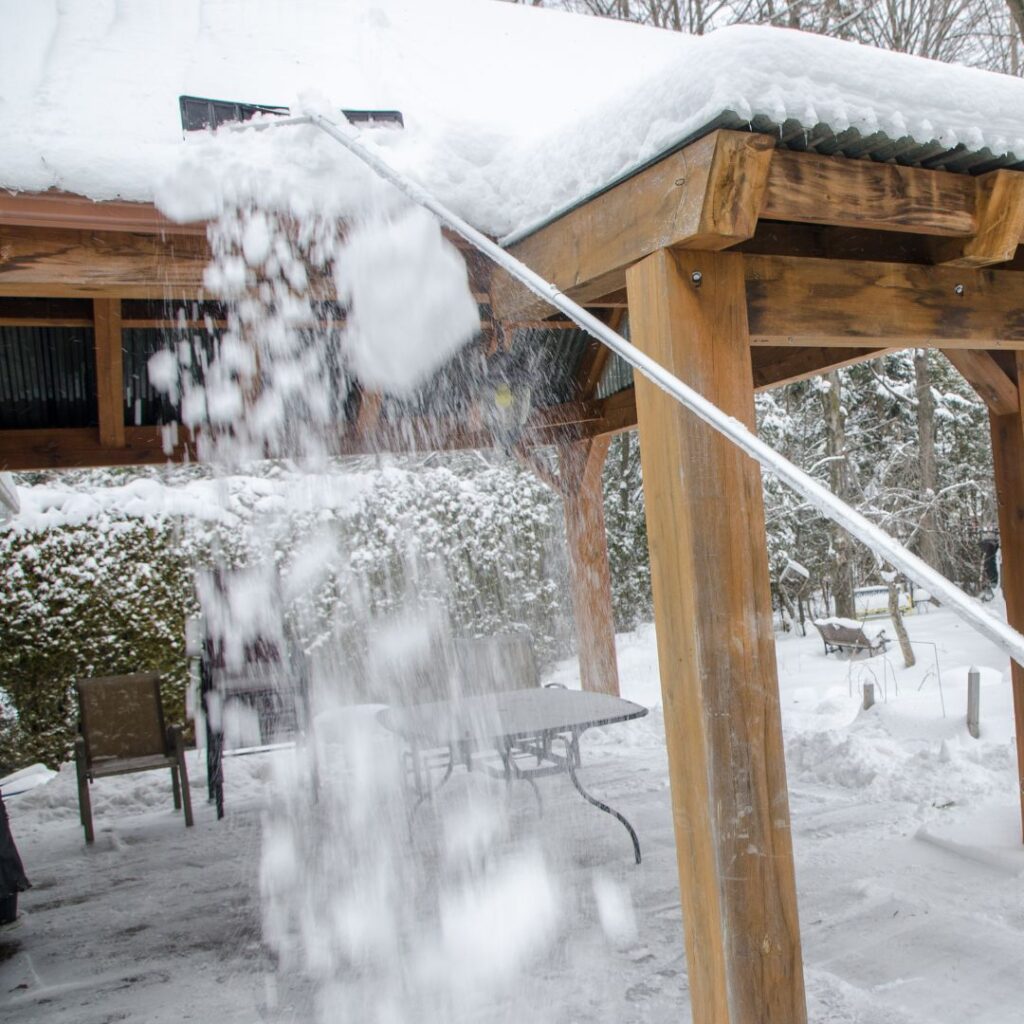
The weight of snow and the formation of ice dams puts stress on any roofing material.
Metal roofs are known for their smooth surfaces, which discourage the accumulation of snow and ice.
The slick surface of metal allows snow to slide off more easily, minimizing the risk of structural damage. However, the pitch or slope of the roof is a critical factor.
A steeper pitch facilitates efficient shedding of snow, reducing the likelihood of accumulation.
Tree Limbs
Falling tree limbs during storms are a threat to any roof, including metal roofs. While metal roofs are generally more resilient, the impact resistance varies based on the type of metal used.
Steel and aluminum roofs are more resistant to damage from falling limbs compared to other materials like asphalt shingles, but the coating will still be scratched.
You need to consider the proximity of trees to their homes and the potential risk of falling branches.
Extreme Winds
Metal roofs excel in withstanding high winds, typically ranging from 110 to 160 miles per hour. The interlocking panels of metal roofs create a strong, continuous surface that better resists uplift forces.
However, the installation quality and proper fastening of metal panels are crucial in ensuring wind resistance.
Professional installation is key to harnessing the full potential of a metal roof’s resilience in extreme wind conditions.
Building a Metal Roof Fit for Storms
Roof Slope
The slope or pitch of a roof significantly influences its ability to withstand storms. Metal roofs, especially those with steeper pitches, are more effective at shedding water, snow, and debris.
A steeper slope not only reduces the risk of leaks but also minimizes the impact of hail and other debris during storms.
Roof Panels
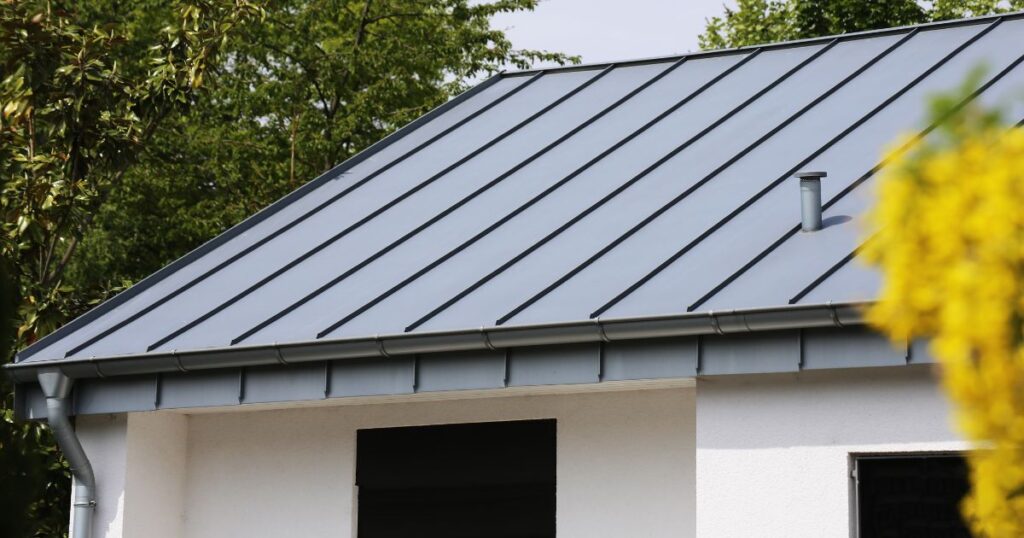
Different types of metal panels, such as v-ribs, bead ribs, pencil ribs, striated, or flat, have varying degrees of resistance to storm damage.
While some may find them aesthetically pleasing, flat panels will show off any tiny dent from something as small as pea-sized hail.
We recommend panels with some differentiation to help conceal potential hair damage.
Metal Type & Gauge
The type of metal and its thickness (gauge) play a crucial role in determining the impact resistance of a metal roof.
Aluminum and steel are commonly used metals, each with its unique properties.
- Aluminum: This material’s lightweight nature simplifies installation and reduces overall load, making it suitable for structures with weight restrictions. Aluminum is naturally corrosion-resistant, offering a low-maintenance option ideal for coastal regions.
- Steel: This material is heavy enough to require additional structural support and is more prone to corrosion in environments with high humidity or salt. Steel stands up better against severe weather when compared to aluminum of the same thickness.
Thicker gauges provide better protection against hail and other impacts, ensuring the longevity of the roof.
Metal Coating
With the right color of coating or paint, you can disguise the small dents on your roof.
Glossy finishes will only reflect the light and highlight the dents, and darker paint that chips to the lighter base metal will be easier to see.
It won’t make a difference when it comes to preventing damage, but a lighter and matte finish or paint color will do better when it comes to concealing smaller dimples in the roof.
We’ll Install the Metal Roof Right for You
Metal roofs are a long-term investment for your home that you need to be installed right.
If you’re unsure about what metal roof is best for your Chester County home, we at GP Martini Roofing are here to help.
This is our backyard, and we have the answers to all your questions.
Request an estimate today, and we’ll get started.
FAQs
What is the biggest problem with metal roofs?
While metal roofs offer durability, one challenge is the potential for noise during heavy rain or hailstorms.
Proper insulation and underlayment can mitigate this issue.
Is a metal roof safe in a storm?
Yes, metal roofs are generally safe in storms.
Their durability and resistance to elements make them a reliable choice.
However, proper installation is crucial to ensure optimal performance.
How much wind can a metal roof withstand?
Metal roofs can withstand high winds, typically ranging from 110 to 160 miles per hour.
The specific capacity depends on factors like roof design, slope, and installation quality.
What is considered functional damage to a metal roof?
Functional damage includes issues that compromise the roof’s performance, such as leaks, punctures, or structural damage.
Cosmetic dents or scratches may not affect functionality, but can be addressed for aesthetic reasons.