What’s the Difference Between a Roof Deck and Roof Sheathing?
What You’ll Learn
If you’ve ever had a contractor mention roof decking or roof sheathing, you may have wondered: “Wait…are those the same thing?”
In most residential roofing projects, yes—they refer to the same layer. Both terms describe the flat wooden surface (usually made of plywood or OSB) that sits on top of your home’s framing and beneath the shingles or other roofing materials.
Some professionals may use one term over the other, but in practice, roof decking and roof sheathing are interchangeable.
In This Blog:
When you started getting estimates for a roof replacement, you spoke to two different contractors.
One said, “The roof deck needs to be replaced.”
The other said, “The sheathing is rotted out.”
Both contractors were talking about the same layer of wood beneath the shingles, just using different terms. That layer had been slowly rotting due to an old leak that went unnoticed for too long.
What you thought would be a simple re-roof now includes removing and replacing large sections of damaged sheathing (or decking), adding time and cost to the project.
Roof Deck vs. Roof Sheathing: What’s the Difference?
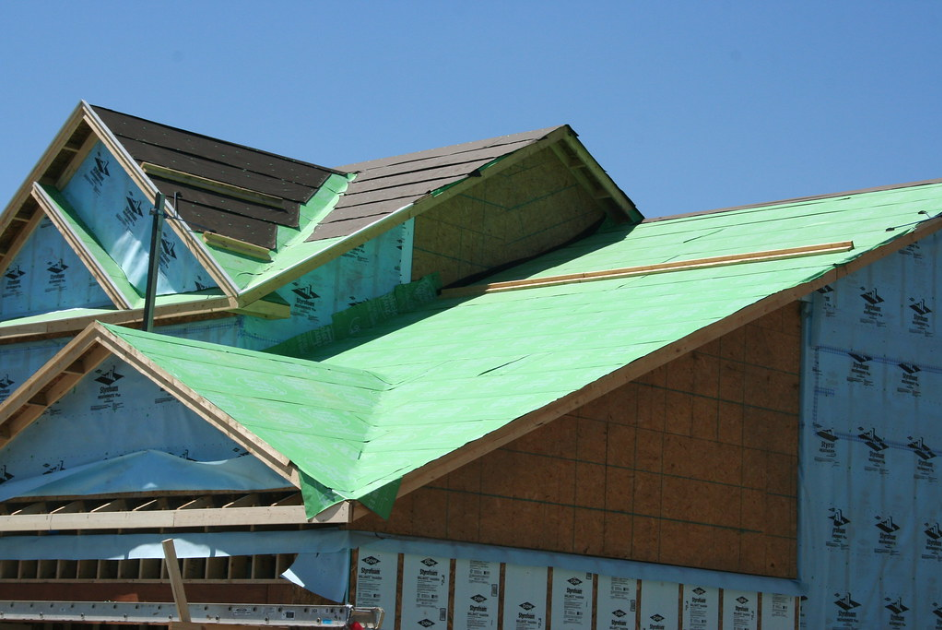
The terms roof deck and roof sheathing often refer to the same part of your roof.
- Roof Deck: The structural base of your roof. It’s what your shingles, underlayment, and other materials ultimately rely on for support.
- Roof Sheathing: The surface layer of the roof deck, usually made of plywood or OSB (oriented strand board).
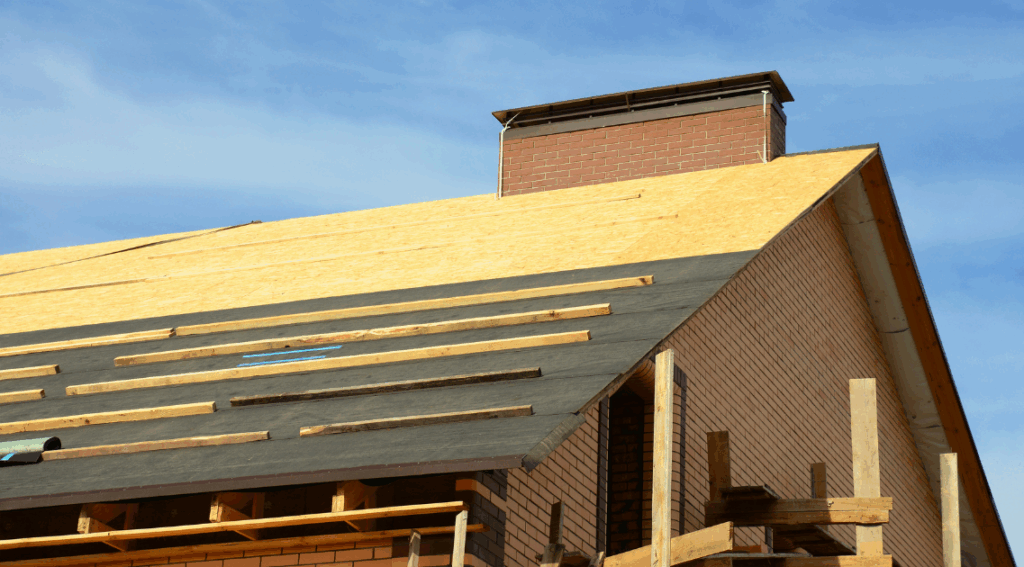
In modern construction, they’re one and the same: a flat, sturdy wooden surface that gives your roof its shape and strength.
If a roofer says they need to “replace your sheathing,” they likely mean they’re repairing or replacing damaged sections of your roof deck.
Why This Underlayer Is So Important
Your roof deck/sheathing is the unsung hero of your roofing system. It:
- Holds your roofing materials in place
- Supports the weight of snow, wind, and storms
- Protects your attic from water damage
When this layer is compromised, you can’t simply install new shingles and move on. Any weak or rotted sections must be repaired first, or you risk:
- Leaks are spreading to your attic
- Warped shingles and uneven surfaces
- Costly structural repairs down the line
Common Problems With the Roof Deck and Sheathing Homeowners Face
Many homeowners don’t realize their roof deck is in trouble until a replacement project begins.
Typical issues we uncover include:
- Rotten wood from long-term leaks
- Sagging sections caused by water damage
- Insect or pest damage in older homes
- Previous repairs that weren’t done correctly
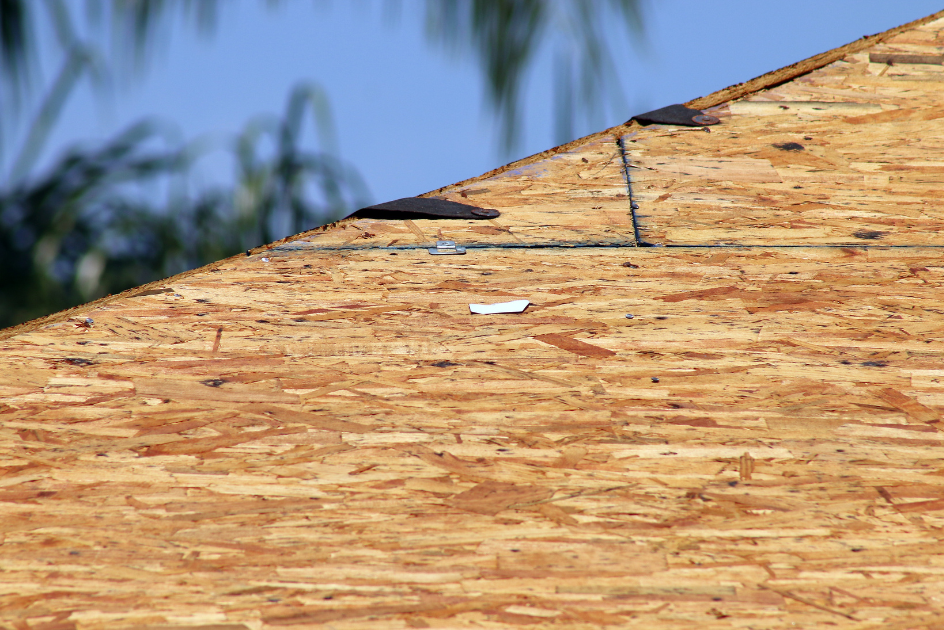
Even with a thorough inspection, some problems stay hidden until the shingles come off, that’s true for any roofer.
At GP Martini Roofing, we focus on clear communication, detailed estimates, and a proactive process to help you avoid surprises and make informed decisions when unexpected damage is found.
Call GP Martini Roofing for an Inspection or Estimate
If your roof is older, leaking, or has visible damage, the decking and sheathing could be at risk.
Schedule a free roof estimate with GP Martini Roofing:
- We’ll inspect your decking for hidden issues
- Provide clear repair recommendations
- Ensure your roof replacement is safe, smooth, and surprise-free
Contact GP Martini Roofing today for a free estimate.
FAQs
Are roof deck and roof sheathing the same thing?
Most of the time, yes. Contractors often use roof deck and roof sheathing interchangeably. Both refer to the flat wooden surface beneath your shingles that supports the roofing system.
What is roof decking made of?
Modern roof decks are typically built with:
– Plywood (commonly ½” thick) – durable and widely used
– OSB (Oriented Strand Board) – cost-effective and strong
Older homes in areas like Bryn Mawr, Ardmore, and Coatesville may have plank decking instead. During a roof replacement, a contractor may recommend upgrading to modern materials if the old planks are uneven or weakened.
When does roof decking need to be replaced?
If it’s rotted, soft, or sagging, it needs repair before a new roof can be installed safely. Often, these problems are discovered during a roof replacement once old shingles are removed.
That’s why inspection and clear communication are so important.
Can you replace shingles without replacing the roof deck?
Yes—if the decking is still solid. Many roof replacements involve simply installing new underlayment and shingles over the existing deck.
However, if your deck is soft, sagging, or shows signs of rot, it must be repaired first. Otherwise, you risk leaks returning quickly, shingles lifting or failing, voiding your roofing warranty.
How much does it cost to replace roof decking?
The cost depends on:
– How many sheets of plywood or OSB need replacing
– The type of material chosen
– Accessibility of your roof
On average, homeowners in Chester County, Phoenixville, and King of Prussia may pay $70–$100 per sheet, including labor. GP Martini Roofing always provides photos and clear pricing before any decking replacement.