Why Your Siding is Fading—And How to Fix It

What You’ll Learn
Why is my siding fading when I had it done not that long ago?
Potential causes of the fading include UV exposure and environmental factors like dirt, moisture, and oxidation.
Based on what the cause is, your options can range from a good clean to a replacement.
In This Blog:
You used to love the deep navy siding you had installed.
Now it looks tired.
It’s patchy in some spots, dull in others, and suddenly, your home’s curb appeal has taken a nosedive.
You can’t help but wonder why it’s fading when it hasn’t been that long since the installment.
Let’s break down the “why” behind premature fading, and what you can do to help it look shiny again.
The Culprits: Why Siding Loses Its Color
Siding doesn’t just “get old.”
It is constantly under attack from the elements.
Understanding these factors can help you determine if you’re dealing with normal wear or a product failure.
UV Exposure
The same UV rays that cause sunburns break down the chemical pigments in your siding.
This is why the south-facing side of your home might look significantly lighter than the shaded north side.
The Impact of Weather
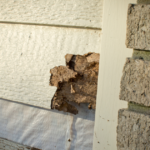
From heavy rainfall to the freezing expansion of snow and ice, moisture getting trapped behind your siding is a constant threat.
In areas with harsh winters like Chester County and Downingtown, the cycle of water freezing and thawing can cause the material to warp and the finish to degrade.
Material Quality and Age
Not all siding is created equal.
Lower-grade vinyl or older wood treatments lack the advanced UV inhibitors found in modern, high-quality materials.
Dirt, Pollution, and Environmental Factors
Sometimes, what looks like fading is actually a buildup of “environmental fallout.”
Dust, pollen, and industrial pollution can create a dull film over your home, masking the original color and making the material look weathered.
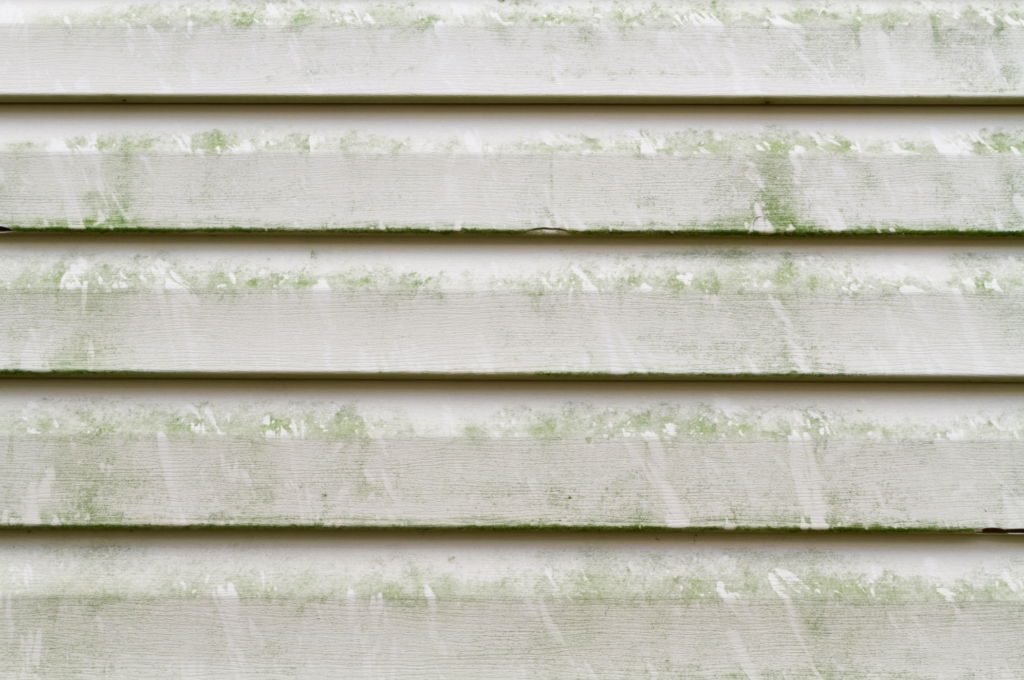
Moisture and Oxidation
When the protective topcoat of your siding—particularly vinyl or metal—is constantly bombarded by rain, humidity, and dew, it begins to react with the oxygen in the air.
This process of oxidation results in a chalky, white residue on your siding.
Oxidation makes the siding more brittle and less effective at shedding water, which can eventually lead to moisture seeping into your wall sheathing.
What To Do Next: Your Recovery Roadmap
Worrying about premature fading lowering your house’s curb appeal can cause a headache.
You don’t always have to jump straight to a full replacement, though.
Here’s how to handle a fading exterior like a pro.
Start with a Gentle Clean
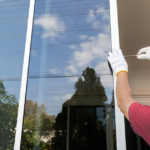
Before you panic, see if a good wash solves the problem.
Use a soft-bristle brush and a mild detergent mixed with water.
Avoid high-pressure power washing, as this can actually strip the remaining finish or force water behind the panels, leading to mold and structural damage.
Check Your Warranty
This is a crucial step for the budget-conscious homeowner. Many high-quality siding products come with a “Color Fade Warranty.”
Dig through your home records to see if the fading falls within a specific timeframe (often 10 to 30 years, depending on the brand).
If the fading is “excessive,” you might be eligible for a claim that covers part of the replacement cost. Consult a professional to determine if the fading is excessive for the age of your siding.
Evaluate Repainting vs. Replacing
If cleaning doesn’t work and you’re out of warranty, you have two main paths:
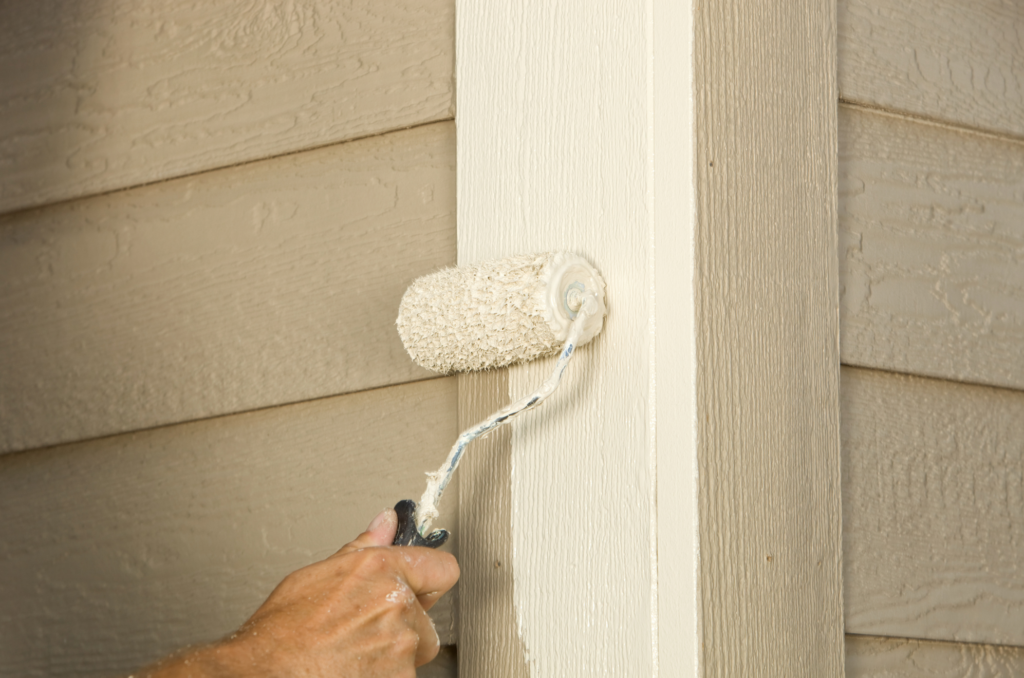
- Repainting: This is a cost-effective way to boost curb appeal. However, keep in mind that vinyl and fiber cement require specific types of paint, like “vinyl-safe” colors, to prevent warping in the sun.
- Replacing: If your siding is also showing signs of moisture damage or warping, replacement is the smarter long-term investment. However, if your siding is showing these signs at a fairly young age, consider having a professional determine if there was improper installation at work.
Make The Right Choice for Your Home
Siding shouldn’t cause headaches.
If you don’t know how to proceed after noticing the fading, contact us for an evaluation of the quality of your siding.
We are happy to consult with you on your next steps, whether it be some TLC or a replacement.
Contact GP Martini Roofing today.
FAQs
Can you fix faded vinyl siding without replacing it?
In many cases, yes.
If the fading is caused by dirt or light oxidation, a gentle cleaning with a soft-bristle brush and mild detergent can restore its look.
However, if the material is physically compromised or the color loss is deep, you may need to consider professional painting with “vinyl-safe” formulas or a full replacement to ensure long-term durability and protection.
Does homeowner’s insurance or warranty cover siding fading?
Standard homeowners insurance rarely covers fading, as it’s considered “wear and tear.”
However, many manufacturers provide specific color-fade warranties. These often cover “excessive fading” that occurs within a set number of years after installation.
It is important to review your original contract or contact your installer to see if your siding’s color loss falls under these manufacturer protections.
Why does my house siding have a chalky white residue?
That chalky substance is the result of oxidation, a chemical reaction that occurs when siding is exposed to oxygen and UV rays over time.
It’s a clear sign that the material’s finish is breaking down.
While it can often be washed away, persistent oxidation usually indicates that your siding is aging and may no longer be providing an effective moisture barrier for your home.
When is it better to replace faded siding rather than paint it?
While painting is a great short-term fix for curb appeal, replacement is the better investment if you are also seeing warped panels, rising energy bills, or moisture leaks.
If your goal is to eliminate frequent maintenance and improve home insulation, a full replacement is the most cost-effective long-term solution.