
Preparing for a Roof Replacement: Tips Homeowners Need to Know
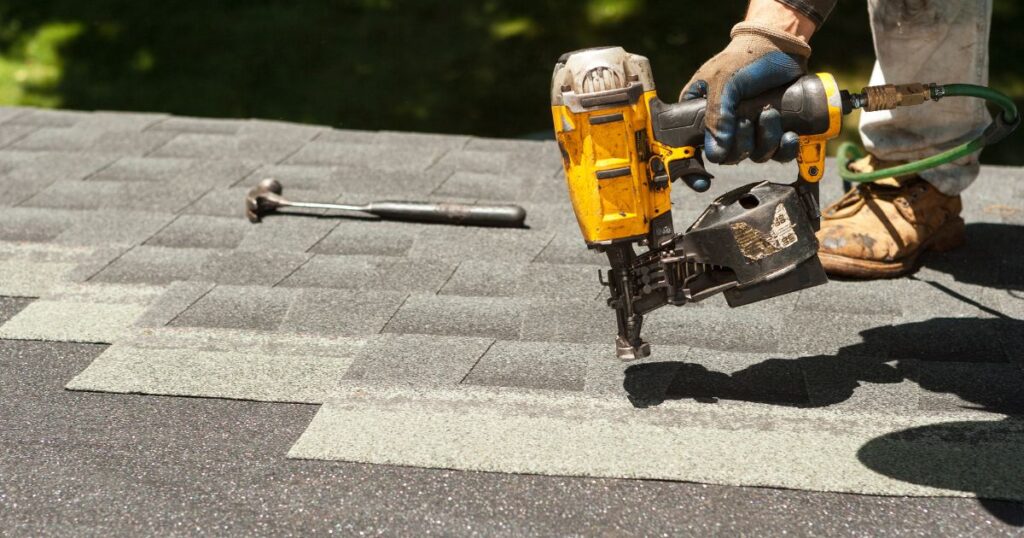
No one really looks forward to contractors stomping across their roof and ripping off shingles.
But replacing your roof when it has reached the end of its lifespan is a must to protect your home and your family.
And once it’s done, you don’t have to do it again for 20+ years.
Have a smooth and stress-free roof replacement by preparing with these tips.
When It Is Time, Get Your Paperwork Ready
Your specific requirements may vary, but these are the most commonly needed documents:
- Contract Agreements
- Homeowner Insurance Policy
- Building Permits
- Roof Warranty, if applicable
- Financing Docs, if applicable
Schedule a Roof Inspection
A professional roofer will identify any issues, potential damage, or areas of concern.
Other Things to Consider Before Your Roof Replacement
Talk to Your Homeowner’s Insurance Provider
Depending on your policy conditions, you may be required to let your insurance company know about significant changes or improvements to your property. If you don’t, it could cause coverage issues in the future.
But also, your insurance could help you pay for your roof replacement!
Review your policy and contact your insurance provider to see what your options are. If you decide to file a claim, remember to provide pictures for evidence.
Inform Your HOA, If You Have One
Your new roof may need to meet certain guidelines under your Homeowner’s Association, such as style and color requirements. Plus, this also gives the neighborhood a heads-up that there will be more noise and an increase in street traffic.
Choose the Right Color of Your New Shingles
This matters for reasons beyond curb appeal.
The color of your home’s roof can affect its property value and heat absorbency. The darker the roof, the higher the heat absorption, which can increase cooling costs.
What You Need to do Vs. What Your Roofer Should Do
Replacing your roof can be a messy process. There will likely be some nails and dust flying around.
But your roofer should take the necessary steps to ensure your home and the surrounding area are set up and ready for an efficient replacement.
And there are a few steps you can take to ease your mind during your roof replacement as well.
Your Role:
Clear the work area
Remove or cover any outdoor furniture, potted plants, or other items near the work area to create a clear space for the roofing crew.
Inform your neighbors
If you live close to your neighbors, give them a heads-up about the upcoming roof replacement to minimize any inconvenience or potential disturbances from the noise.
Protect valuable items
Take precautions to protect any valuable or fragile items in your attic or rooms directly beneath the roof.
Make Accommodations
If you work from home, you may need to find a different location or anticipate loud noise during your work day.
Children or pets need to be kept away from the work areas. If you think it’d be too overwhelming for them, make the proper arrangements to keep them with a family member during this time.
Your Roofer’s Responsibilities:
Obtain necessary permits
Your roofing contractor will handle the process of obtaining any required permits or approvals.
Arrange debris removal
The roofing crew will coordinate the delivery of a dumpster or other means of debris removal, ensuring a clean and organized work environment.
Ensure safety measures
Your roofer will implement safety measures to protect both the crew and your property throughout the project.
Preparing the work area
The roofing team will take care of preparing the work area by setting up ladders, scaffolding, and other necessary equipment.
Communicate logistics
Your contractor will communicate to you what time they will be arriving, how many crew members will be present, and how many trucks may need to be on your property.
This will help them identify spacing limitations like space on your property, parking restrictions, or any other considerations that may impact the movement of the roofing crew.
Clear communication between you and your contractor about these needs will help them plan accordingly and ensure a smooth and efficient project.
Find the Right Roofing Contractor Ahead of Time
Whether you’re looking to replace your roof in the next year or years from now, having your paperwork and finances ready ahead of time will make the process so much easier.
The last thing you can do to make it go even better is to work with a roofing company that knows the ins and outs of roofing and construction.
If you’re located in Chester County and planning to replace the roof on your residential property, look no further than GP Martini Roofing.
See why homeowners choose us for the Life of their Roof! Contact us for a free estimate.
FAQs
Which important documents do I need ready before starting a roof replacement?
Before roof replacement begins, make sure you have your homeowner’s insurance policy, contract agreement with the contractor, building permits, warranty details (if applicable), and any financing documents.
These papers help avoid delays, ensure compliance, protect your investment, and clarify responsibilities between you and your roofing contractor.
How should I choose the right roofing contractor for my roof replacement?
To pick the right roofing contractor, look for experience with your roofing material, proper licensing or certifications, strong references, clear communication, and reliable warranties.
A good contractor also handles permits, debris disposal, and job site safety. All of this ensures your project is professional, timely, and meets building standards.
What homeowner tasks can make roof replacement go more smoothly?
As a homeowner, you can clear the work area of patio furniture and plants, inform neighbors, protect fragile items inside the home, and plan for noise disruptions.
Keeping children and pets safe, and being available to coordinate with your roofer about logistics like arrival time and parking, all help the work proceed efficiently.
Why is choosing the right shingle color important beyond aesthetics?
Shingle color affects more than curb appeal—it can influence your home’s heat absorption.
Darker shingles tend to absorb more heat, which might raise cooling costs, while lighter shades reflect heat better.
Also, color style can impact neighborhood appearance and property value, and may need to comply with HOA guidelines.
 Rattling Siding: Why Your Siding Is Making Noise During Windstorms
 Overcoming HOA Challenges to Deliver Cost-Saving GAF Solar Roofing
 Solar Roofing vs. Traditional Roofing: What Homeowners Should Know
 Siding Warping: Why Your Home’s Shield is Failing and How to Fix It
 Metal Roofing Cost Breakdown: Materials, Labor, and Lifespan