Replacing Your Roof: A Step-by-Step Breakdown
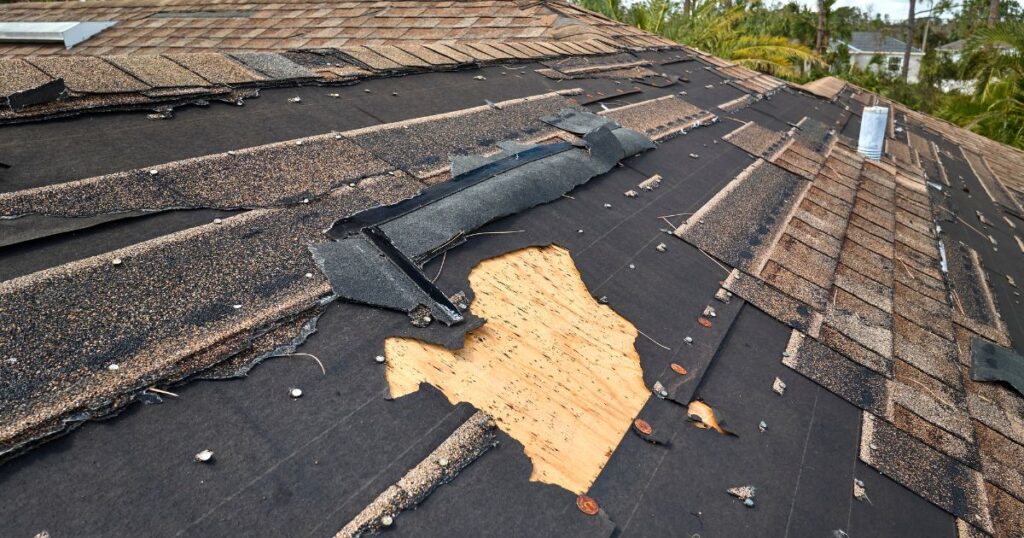
You know that replacing your roof means ripping off all the old nailed, bolted, and glued-down pieces.
Aside from the actual deinstall and reinstall, what does the process of replacing your roof actually involve?
Here’s a general run-through of what you should expect during your roof replacement.
Initial Consultation and Roof Inspection
The first step in the roof replacement process is scheduling an initial consultation with a reputable roofing contractor.
They will assess your roof’s condition through a comprehensive inspection. During this stage, the contractor will examine the roofing materials, identify any underlying issues, and discuss your goals and preferences for the replacement.
Material Selection
After the initial consultation, you will need to select the roofing materials for your replacement.
You will work closely with your contractor to choose the most suitable materials based on factors such as durability, aesthetics, energy efficiency, and budget. The contractor can provide recommendations and guide you through the selection process.
Proposal and Cost Estimation
After the inspection, the roofing contractor will provide you with a detailed proposal and cost estimation for the project.
This will include the scope of work, the type of materials to be used, the estimated timeline, and the overall cost. Take the time to review and ask any questions regarding the proposal before making a final decision.

Sign the Contract and Make a Deposit
After you’ve accepted the proposal, the next step is signing the work contract and submitting a deposit.
You can take the time to carefully review the contract and ensure you understand the payment terms and the estimated project timeline.
Scheduling and Preparations
Once the materials have been chosen, the roofing contractor will work with you to schedule the project. They will coordinate the delivery of materials and plan the necessary preparations.
This may include obtaining permits, arranging for a dumpster for debris removal, and ensuring the work area is accessible and safe.
Removal of Existing Roofing
On the scheduled start date, the roofing crew will arrive to remove the existing roofing materials.
They will take precautions to protect your property from damage and ensure the safe disposal of debris. This step involves stripping off the old shingles, inspecting the underlying structure, and addressing any necessary repairs or replacements.
Installation of New Roofing
Once the old roofing has been removed and any required repairs have been made, the installation of the new roofing materials will commence.
The process will follow the manufacturer’s guidelines and industry best practices. This typically involves installing underlayment, flashing, shingles, or other chosen materials and ensuring proper ventilation.
Cleanup and Final Inspection
Once the installation is complete, the roofing crew will thoroughly clean the work area, removing any debris or leftover materials.
A final inspection will be conducted to ensure the quality of the workmanship and address any remaining concerns. This step ensures that your new roof meets the necessary standards and your satisfaction.
Finalizing the Project
Upon satisfactory completion of the roof replacement, the roofing contractor will provide you with the necessary documentation, including warranties for both materials and workmanship.
Take the time to review and understand the warranties, as they provide valuable protection and peace of mind for your investment.
You will also be asked for final payment at this point. A salesman or company representative will schedule a time to take a final look at the finished project with you and then collect the remaining balance.
The Average Timeframe
The average timeframe for a roof replacement can vary depending on several factors.
Generally, a roof replacement for a standard-sized residential home can take anywhere from a few days to a couple of weeks to complete.
However, it’s important to note that this is an estimate, and the actual timeframe may differ based on the contractor and individual circumstances, including:
- Roof Size: The larger the roof, the more time it may take to complete the replacement. A complex roof design with multiple angles, valleys, and dormers can also increase the installation time.
- Material Availability: The availability of roofing materials can affect the project timeline. If certain materials are on backorder or not readily available, it may cause delays in the installation process.
- Contractor and Crew: The efficiency and availability of the roofing contractor and their crew can impact the project timeframe. A reputable and experienced contractor with an adequate workforce can typically complete the job more efficiently.
Keep in Mind: Weather Delays and Temporary Protections
Roof replacements are weather-dependent projects. Inclement weather conditions, such as heavy rain or high winds, can affect the project timeline and may require adjustments.
If this happens, you may need temporary protections placed on your roof so it is not exposed to the elements. This may include covering exposed areas with tarps or plastic sheeting to prevent water intrusion or additional damage.
The Very First Step to Replacing Your Roof: Request a Free Estimate
Having your roof replaced can be a daunting process. We’re here to guide you through it, ensuring a seamless and successful replacement.
Our team of professional roofers will provide you with a detailed, reliable estimate to help you get started with the process of getting your roof replaced.
Contact us today for a free estimate on your roof replacement.