Why Your Roof Needs an Underlay and Ice & Water Shield
What You’ll Learn
Why does my roof need both an underlayment and an ice & water shield?
Each layer protects against different types of moisture, giving your roof a stronger defense against leaks.
Together, they help block everyday water intrusion as well as issues caused by ice dams and wind-driven rain.
In This Blog:
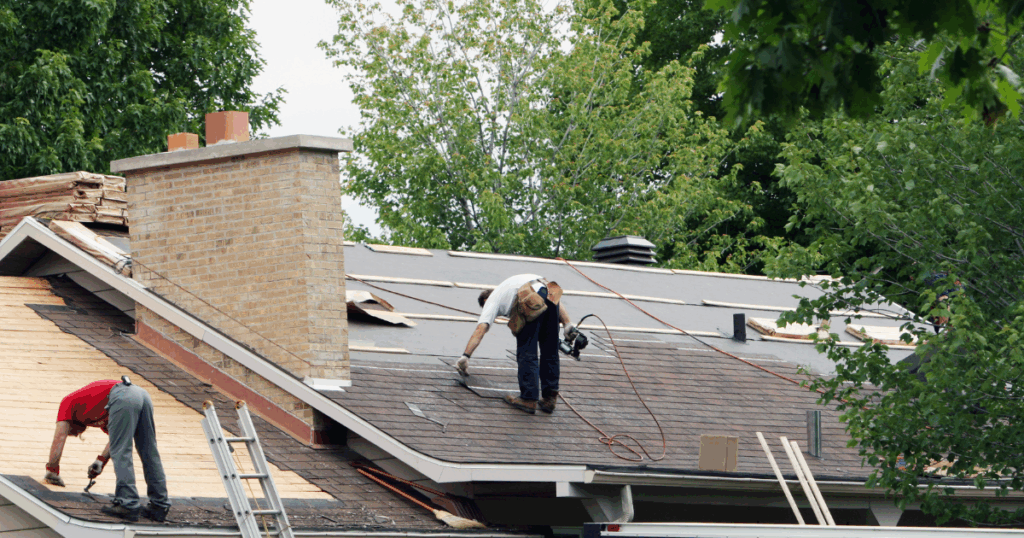
It’s time for a roof replacement. You’re going to be choosing roofing materials, deciding on flashing installation, underlays, ice shields, and how ventilation will flow throughout your house.
Considering that all of these decisions are crucial, you have to think about them thoroughly right now—a do-over is unfeasible.
An underlay and ice & water shield isn’t a choice that should be overlooked, especially if you care about your home and the longevity of your roof.
The Difference Between Underlay and Ice & Water Shields
What a Quality Underlay Can Do for You
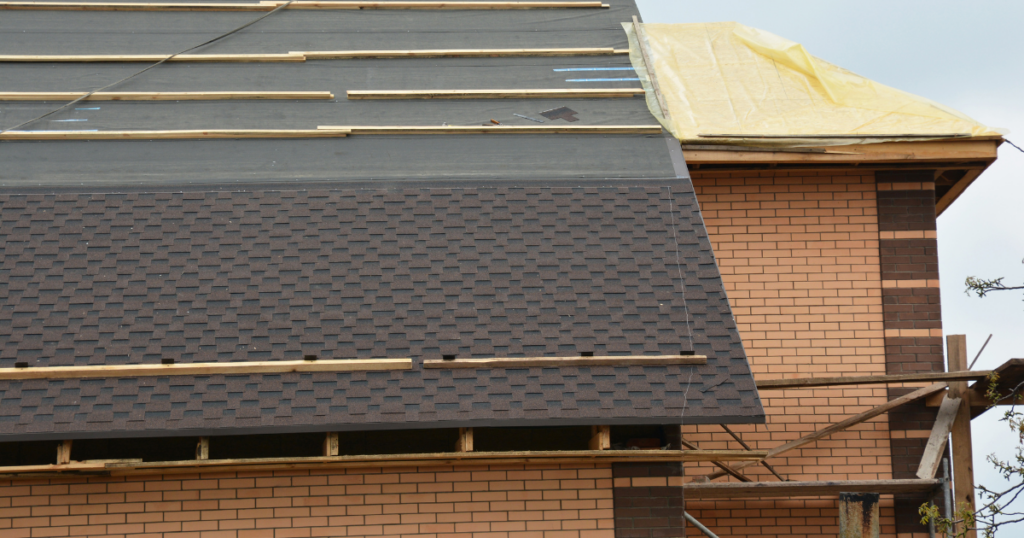
An underlayment is a waterproof material applied directly to the roof deck to provide a basic additional barrier between the roof deck and roof materials. It covers the entire roof deck and is applied with staples or nails.
Underlays don’t specifically reinforce the nooks and crannies of your roof deck—they serve as a basic layer of protection for the entire deck.
Enhanced durability in creating a barrier between the roof deck and shingles.
Synthetic underlayments add fire resistance.
The water-resistant capacity of an underlayment prevents leaks by channeling water toward the drainage system.
An underlay protects from condensation that can cause mold as well.
Synthetic underlayments add fire resistance.
How the Ice & Water Shield Works
An Ice & Water shield is a self-adhesive membrane applied in vulnerable areas of the roof to protect against ice dams and heavy rainfall. They’re often used in cases of old roof decking with lots of vulnerabilities or in climates with a lot of precipitation. Nails aren’t used to secure ice & water shields to prevent further compromising these areas in need of extra protection.
Ice & water shields are adjusted and molded to protect sensitive areas in your roof deck.
They protect against ice dams, which are refrozen ice build-ups that prevent proper water drainage from melting snow, that form in vulnerable areas of the roof.
They also protect against heavy rain that may accumulate in these imperfections.
Its application is versatile so that it can waterproof critical areas of a roof.
Together, They Make Your Roof Last Longer
Underlays and ice & water shields can extend the lifespan of a roof, considering the many waterproofing properties of these roofing parts.
In reducing condensation that leads to humidity, both of these products allow the roof to be more energy efficient.
Worry no more when big storms roll around with this extra layer of protection!
An underlay and ice & water shield is a big decision, but so is choosing the right roofer. GP Martini Roofing makes this daunting process simple with qualified experts to walk you through your next big home improvement. They will help you to make sure that this roof replacement upgrade is truly right for you.
If you’re in the market for a new roof, consider an underlayment and ice & water shield. Your roof will thank you, your home will thank you, you will thank you.
Request a free estimate with GP Martini Roofing today!

FAQs
Do I need underlayment and ice and water shield?
Yes, both underlayment and ice and water shields are crucial components of a roofing system.
Underlayment provides an extra layer of protection between your roof deck and the shingles, helping to guard against leaks and water damage.
An ice and water shield is especially important in colder climates, as it helps prevent water damming and ice build-up, which can lead to significant roof damage.
What happens if I don’t use underlayment on a roof?
Not using underlayment on a roof can lead to several problems.
Without this protective layer, your roof deck is more susceptible to water damage, mold growth, and rot.
This can compromise the structural integrity of your roof and potentially lead to costly repairs.
Additionally, underlayment is often required for shingle warranties to be valid.
What is the purpose of roof underlay?
The primary purpose of roof underlay is to act as a secondary barrier of protection against moisture, wind, and other external elements.
It plays a key role in waterproofing your roof, ensuring that any water that gets past the shingles does not reach the roof deck.
It also helps protect the roof during construction and provides an extra layer of insulation.
Should roof underlayment be waterproof?
Yes, roof underlayment should be waterproof or at least water-resistant.
This quality is essential to provide an effective moisture barrier, protecting your roof deck from water infiltration and potential damage caused by leaks, snow, ice, and rain.
Some types of underlayment offer better waterproofing capabilities and are particularly beneficial in regions with heavy rainfall or snow.