What’s that smell? Your roofing ventilation could be to blame
What You’ll Learn
How can I tell if my roof’s ventilation is failing?
Signs like a hot, musty attic, ice dams in winter, and warped or curling shingles indicate poor ventilation.
Balancing vents prevents moisture buildup, extends your roof’s lifespan, and reduces hidden damage that could become expensive.
In This Blog:
What’s that smell?
That odor might have traveled down from your attic. When you go up to investigate, you find that the underside of the roof deck has become moldy.
Poor roofing ventilation is likely to blame.
If you let this mold growth disaster progress, moisture damage will only continue to rack up your roof repair bills.
Good ventilation lets hot air travel out of your roof.
Proper roof ventilation allows hot air in your house to escape through the roof, especially during the summer.
There won’t be any humidity that causes mold to condense on the vital structures of your roof.
Your roof’s lifespan is extended with good ventilation, considering there won’t be an excess of moisture to cause rotting, rusting, or corrosion.

Signs that you should get your roofing ventilation examined:
These key warnings can be hidden from you in plain sight. They might not all coincide, but you must look out for them.
- Your attic is sweltering, and its wood beams are hot to the touch.
- There’s moisture in your attic in the form of condensation or ice in the winter.
- Compare your energy bills to your neighbor’s with PECO’s neighbor comparison section. If there’s a significant difference, something may be wrong.
- Ice dams form on your roof in the winter.
- Your shingles are deteriorating; look for cracks or shingles curling.
- There’s an unpleasant, musty odor in your home.
Poor ventilation will cost you money, but also your well-being.
Stuffy attics can increase energy costs when they trap hot air.
Excessive heat build-up in the attic can cause roof deterioration as roofing materials expand, crack, and warp.
Mold can grow when heat and moisture are trapped in your attic with nowhere to go.
Ventilation comes down to a science with intake and exhaust components.
Roof ventilation facilitates the circulation of air within an attic. It involves two key components: intake vents and exhaust vents.
Intake vents serve as the entry points for fresh air near the lower parts of the roof. Intake vents can take various forms, such as soffit vents, ridge vents, or gable vents. Their purpose is to bring cool air into the attic.
Exhaust vents are positioned near the top of the roof, often at the ridge or along the roof’s peak. These vents allow hot air and moisture to escape from the attic. Common exhaust vents include ridge vents, roof vents, and turbine vents.
Proper roof ventilation ensures a balanced airflow system. It involves having equal intake and exhaust vents to maintain an even air exchange.
Many solutions include ridge vents, soffit vents, gable vents, and powered attic fans.
- Ridge vents are installed along the peak of the roof. Ridge vents blend seamlessly with the roofline. They work well for various home types and climates, mostly where snow accumulation is not a significant concern.
- Soffit vents are installed under the eaves or overhangs of the roof. Soffit vents work with exhaust vents to create a balanced airflow system.
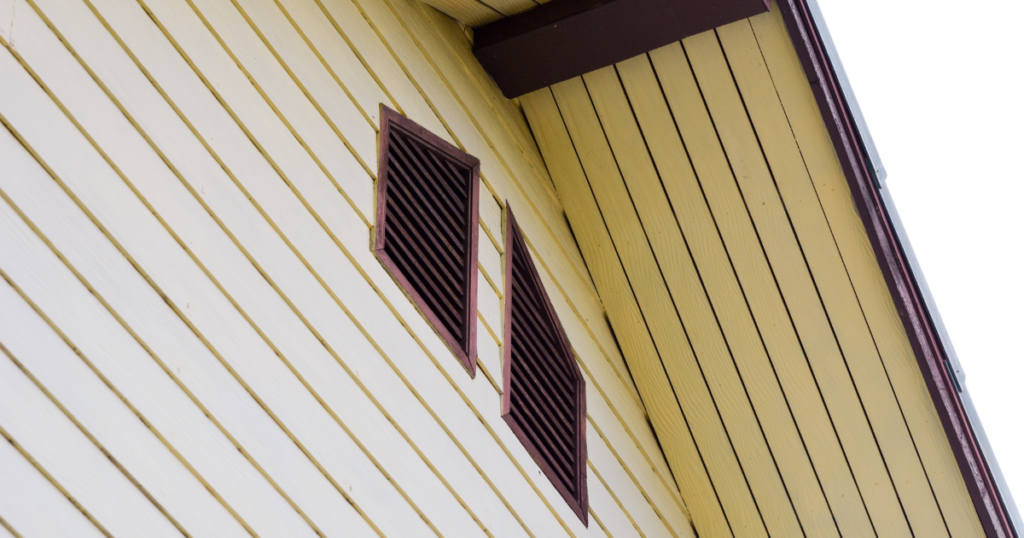
- Gable vents are often installed in pairs to ensure proper ventilation. They are commonly used in homes with gable-style roofs.
- Powered attic fans help enhance ventilation in situations where natural airflow is insufficient. It’s important to ensure an adequate intake venting system when using powered attic fans to prevent negative pressure in the attic.
GP Martini Roofing can assess your roofing ventilation to create the perfect fit for you.
We can assess the intake and exhaust vents, measure airflow rates, and identify any deficiencies or areas that require improvement.
Building codes and regulations often dictate specific ventilation requirements. We are well-versed in these codes and can ensure that your ventilation system meets the necessary standards.
By working with experienced professionals like us, you can expect an effectively designed and installed ventilation system that will save you money on energy bills, extend the lifespan of your roof, and provide a healthier and more comfortable living environment.
If your roof’s ventilation isn’t up to par, we can make the necessary improvements. GP Martini Roofing can be reached at the information on our Contact Form today.

FAQs
Why is proper roof ventilation important?
Proper roof ventilation is crucial because it allows hot air in your attic to escape, reducing humidity and preventing mold growth on the roof’s structure.
This extends your roof’s lifespan by preventing moisture-related damage such as rotting, rusting, or corrosion.
What are the signs of poor roofing ventilation?
Signs include an unusually hot attic with beams hot to the touch, moisture or ice in the attic, higher energy bills compared to neighbors, ice dams on the roof in winter, deteriorating shingles, and a musty odor in your home.
How does poor ventilation affect my home?
Poor ventilation can lead to increased energy costs by trapping hot air, roof deterioration due to heat and moisture damage, and health issues from mold growth in the attic.
What components are involved in proper roof ventilation?
Proper roof ventilation involves intake vents, which bring fresh air into the attic, and exhaust vents, which allow hot air and moisture to escape.
A balanced system with equal intake and exhaust ensures even air exchange.
What are some common solutions to improve roof ventilation?
Solutions include installing ridge vents along the roof peak for seamless ventilation, soffit vents under the eaves for balanced airflow, gable vents in pairs for homes with gable roofs, and powered attic fans to enhance ventilation where natural airflow is insufficient.