Maximize Your Roof Investment With Solar Shingles
What You’ll Learn
How do solar shingles vs solar panels compare when replacing my roof?
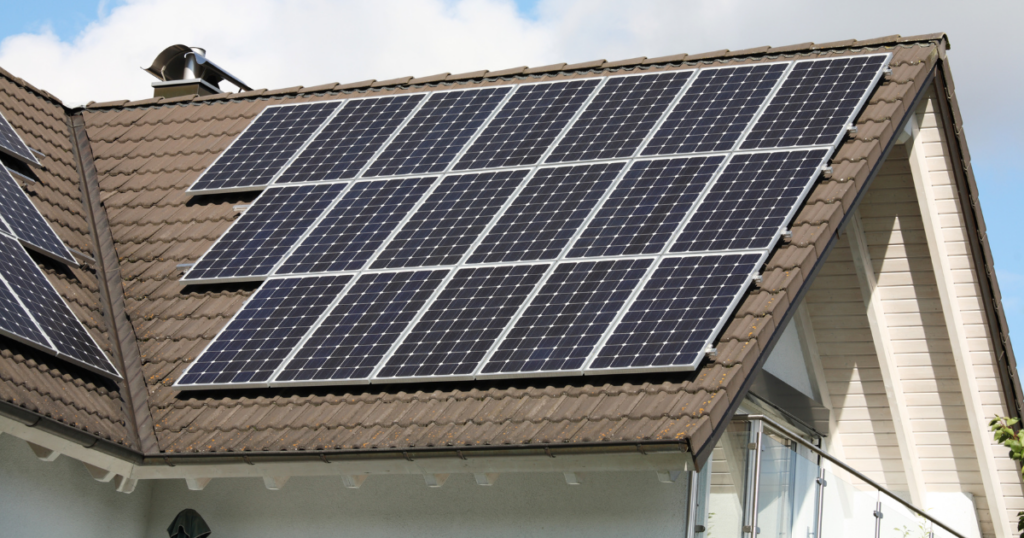
Solar shingles blend directly into your new roof for a sleek appearance, while solar panels typically offer higher efficiency and lower upfront cost. When comparing solar shingles vs solar panels during a roof replacement, you’re choosing between a seamless, integrated design and a more traditional, mounted system.
The best option for you depends on your budget, aesthetic preferences, roof design, and long-term energy goals
In This Blog:
The Advantages of Installing Solar Shingles or Panels with Your New Roof
You need a new roof and are considering installing solar power at your home. Great!
You can hit two birds with one stone by having your solar panels or shingles installed at the same time as your roof replacement.
There are several advantages to doing this. Here are the key benefits, plus a few factors to consider before making the jump.
Difference Between Solar Shingles and Solar Panels
Solar shingles and solar panels do the same thing but are different in design, installation, efficiency, and more.
Solar shingles are just what they say, single shingles instead of full panels.
While it is not a necessity, including solar shingles when you’re already in the process of replacing your roof is more convenient for you and can improve other aspects of the installation, including:
1. Streamlined Installation
Adding solar panels or shingles to your roof when you are already replacing your roof makes the installation process much more streamlined.
Your roofer will be able to ensure the construction of the roof has the proper load-bearing capacity and will add the necessary wiring and mounting system all in one go, rather than returning at a later date.
This will minimize overall labor expenses.
2. Structural Compatibility and Aesthetics
Integrating solar panels with a roof replacement provides an opportunity to ensure that your roof structure is compatible and properly reinforced to support the weight and mounting requirements of the panels.
This assessment and reinforcement can prevent future issues and ensure the long-term durability of both the roof and the solar installation.
It also allows your roofer to seamlessly integrate your panels into your roof’s design in a visually appealing way. They can ensure precise positioning, alignment, and concealment of wiring and connections.
3. Optimal Positioning and Sun Exposure
When installing solar panels with a new roof, you have the advantage of strategic positioning to maximize sun exposure.
The roof replacement allows for adjustments in roof layout and angles, optimizing the placement of solar panels to capture the most sunlight throughout the day. This ensures optimal energy production and efficiency.
4. Improved Waterproofing and Weather Protection
Installing solar panels in conjunction with a roof replacement allows the roofer to use professional sealing and flashing techniques to ensure watertight integration between the panels and the roof.
This added layer of protection helps safeguard your home from leaks and potential water damage.
5. Lower Energy Bills and Financial Savings
While initial installation costs may seem significant, it is important to consider the long-term benefits.
Over time, solar panels can pay for themselves through the electricity they generate. By producing your own clean energy, you can protect yourself against rising utility costs and enjoy reduced or even eliminated energy bills.
This means you can significantly reduce your dependence on the grid and lower your monthly energy bills.
6. Energy Credits and Net Metering
In Pennsylvania and many other areas, homeowners with solar panels can take advantage of net metering programs.
Net metering allows you to send excess electricity from your solar panels back to the grid. In return, you receive energy credits that can be used to offset future electricity bills.
This arrangement can further reduce your energy expenses; in some instances, you can receive a credit or payment from your utility company.
7. Increased Home Value
Solar panels are a popular feature for homebuyers. A study by the Lawrence Berkeley National Laboratory found that homes with solar panels sell faster and at a higher price than comparable homes without solar installations.
By installing solar panels along with your new roof, you are adding value to your home and making it more attractive to potential buyers.
8. Energy Independence
Depending on the type of solar panels you get, generating your own electricity means you are no longer solely reliant on the grid.
This can be especially beneficial during power outages or emergencies when the grid may be compromised. With solar panels or singles, you can maintain essential electrical functions, ensuring comfort, safety, and peace of mind for you and your family.
Negatives to Consider when Integrating Your Solar Shingles Installation and Roof Replacement
- Extended project timeline: While integrating the two installs will minimize labor costs, it is important to remember the project will undoubtedly take longer. It is also still a possibility that you will face potential weather delays that can prolong the completion time.
- Increased upfront costs: Installing solar panels along with a roof replacement can add to the initial upfront costs of the project. While solar energy offers long-term financial benefits, the combined investment may require a higher initial expenditure than a roof replacement alone.
Take the Next Step in Your Solar Shingle Install
Our team of professional roofers will guide you through the process of integrating solar panel installation with your roof replacement, starting with a detailed, reliable estimate for your project.
Contact us today for a free estimate on your roofing project.
FAQs
What are the main differences between solar shingles and solar panels?
Solar shingles and solar panels serve the same purpose but differ in design and installation. Solar shingles integrate directly into your roof, mimicking the look of traditional shingles while generating electricity. Solar panels, on the other hand, are mounted on top of your existing roof and are more visible.
Why is it advantageous to install solar panels or shingles during a roof replacement?
Installing solar solutions during a roof replacement can streamline the process, ensuring structural compatibility, optimal sun exposure, and aesthetic integration. It also enables more effective waterproofing, reducing the risk of leaks and ensuring the long-term durability of both the roof and the solar installation.
How can solar installations impact energy bills and financial savings?
Solar installations can significantly reduce or even eliminate energy bills by generating clean, renewable energy for your home. Homeowners can also benefit from state energy credits and net metering, further offsetting energy costs and potentially earning credits from utility companies.
What is net metering, and how does it work?
Net metering is a billing mechanism that credits solar energy system owners for the electricity they generate and feed into the grid. If your solar panels produce more electricity than you use, the excess energy is sent back to the grid, and you receive credits on your utility bill.
Are there any negatives to integrating solar installations with a roof replacement?
While there are many benefits, homeowners should consider the extended project timeline and increased upfront costs. Integrating solar installations with a roof replacement can make the overall project more complex and potentially lead to weather-related delays. However, the long-term benefits often outweigh these initial considerations.