Understanding the Impact of Hail Damage on Your Roof
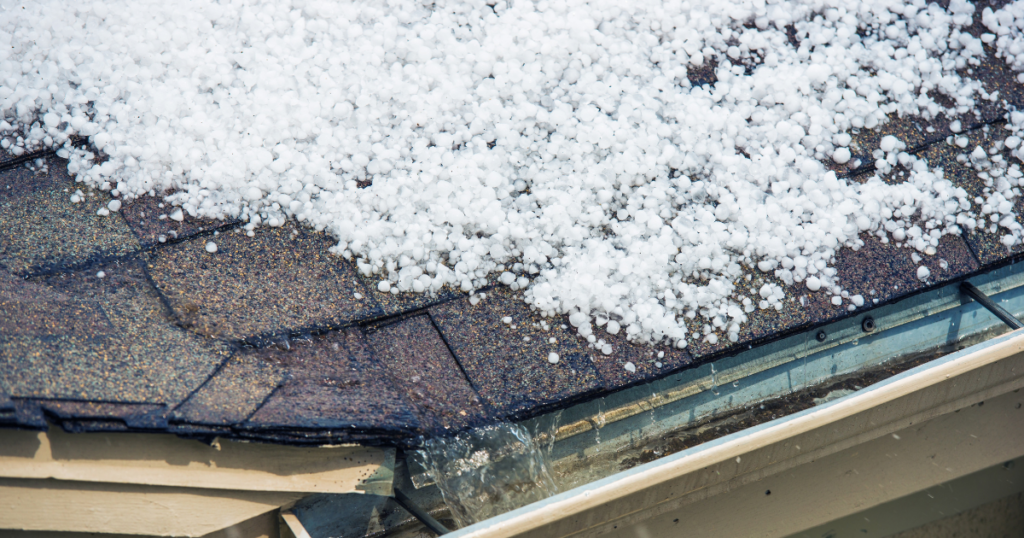
The atmosphere is brewing up the odd weather phenomenon that’s called hail right over your head.
With little warning, balls of ice are falling from the sky.
Even if the hail storm is small, it can still do some major damage.
Your car, air conditioner, patio furniture, and just about anything uncovered outdoors is on the chopping block when hail moves in.
Your roof takes the biggest punch. Know what hail damage looks like for your roof and how to manage it.
Stay Safe During and Immediately after a Hail Storm
Ensure personal safety, avoid going outside, and trying to inspect your roof during or immediately after the storm.
Wait until conditions are clear before examining the roof or its surroundings.
Once it’s safe, you can visually inspect the roof from the ground. Look for visible signs of damage, such as dents, cracks, or missing shingles. Use binoculars for a closer view if needed.
If you can’t tell if the storm has caused damage and you don’t feel comfortable going onto your roof, call a professional as soon as possible to come out and inspect your roof for you.
How Hail Damage Impacts Your Roof
The damage done by hail depends on the severity of the storm and the materials used on your roof. Here are several ways hail can damage roofs:
Granule Loss on Asphalt Shingles
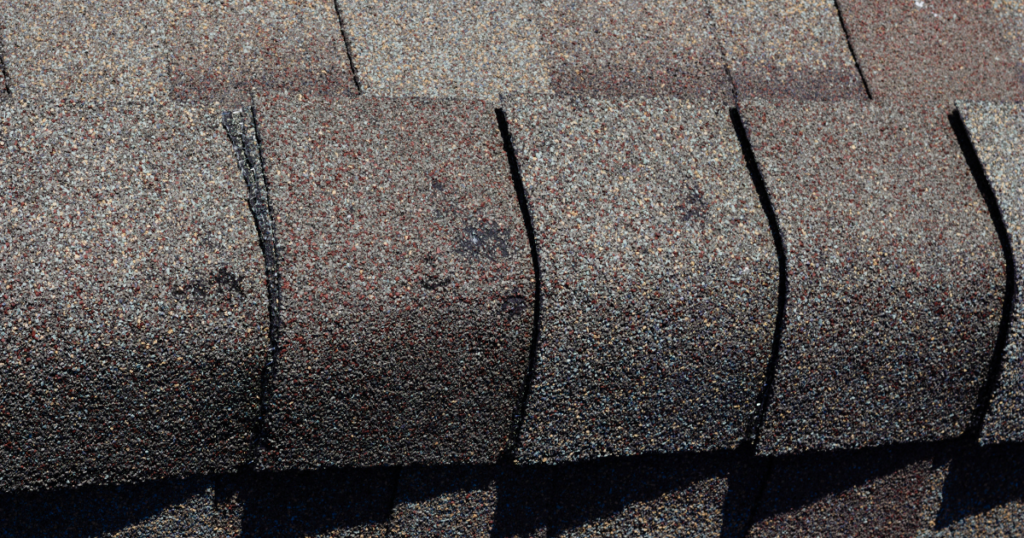
Hail can cause asphalt shingles to lose granules, exposing the shingles’ underlying material and making them more susceptible to damage from UV rays and weather elements.
Cracks and Dents on Shingles
Hailstones can create visible cracks or dents on shingles, which compromise the shingle’s effectiveness in protecting the roof from water penetration.
Cracking or Splitting on Slate Roofs
Slate roofs may exhibit cracking or splitting due to the impact of hailstones. This material, though durable, is especially weak against larger hail, leading to structural vulnerabilities.
Dents on Metal Roofs
Metal roofs, while generally more resilient, will sustain dents from hailstones. These dents are usually cosmetic, but depending on the thickness of the metal, the panels’ structure, and the structural support below the metal roof, they can compromise its functionality and longevity.
Dents on Gutters, Flashing, and Vents
Besides the roof’s surface, hail can cause damage to other parts of your roof, such as gutters, flashing, and vents. If you see dents, dings, or visible marks on these, it is usually a good indicator that your roof was also affected.
Hidden Signs of Hail Damage on Your Roof
The damage from hail can seem insignificant, but a small dent or crack can hide more extensive damage underneath, including:
Roofing Material Integrity
While visible signs may seem minor, there may be underlying damage affecting the structural integrity of the roof. This can include compromised underlayment, decking, or weakened areas of support.
Leakage and Water Damage
The small cracks or granule loss caused by hail damage might seem superficial, but there could actually be small openings that result in water leakage over time. Water stains or damp areas in the attic or ceiling are potential signs of hidden hail damage.
Get a Professional Opinion Before Disregarding Hail Damage to Your Roof
Before disregarding the damage as a small dent or crack, seek the expertise of a professional roofing inspector or contractor to ensure it isn’t more extensive.
Your professional contractor will have the experience and knowledge to identify both obvious and concealed damages.
Repair or Replace: Determining the Extent of Damage
Depending on the nature of the damage, the roof’s age, the material of your roof, and the extent of the damage, you might need to replace your roof but often damage is minimal enough for repairs. Here are considerations for determining whether hail damage warrants repair or replacement:
Minor Surface Damage is Repairable
Superficial damage, such as small dents, granule loss on shingles, or minor cracks that don’t compromise the roof’s integrity can often be repaired without necessitating a full replacement.
Examples of Repairable Damage:
- Shallow dents or indentations that haven’t affected the roof’s structural integrity.
- Minor cracking or granule loss on a few asphalt shingles that does not extend through the entire shingle.
Extensive Structural Damage or an Already Aging Roof May Require a Replacement
Severe hailstorms can cause substantial damage that compromises the roof’s structural integrity. If the underlayment, decking, or multiple roof areas sustain significant damage, a full replacement might be necessary.
The age of the roof and its overall condition prior to the hailstorm are critical factors as well. If the roof is already approaching the end of its lifespan or has pre-existing issues, severe hail damage might speed up the need for a replacement.
Examples of When to Consider a Total Roof Replacement:
- Widespread fractures, extensive splitting, or multiple damaged shingles across various sections of the roof.
- Structural damage under a metal roof can cause widespread distortions or misalignment of panels.
- Extensive weathering leads a slate roof to lose its water-shedding ability.
Swift action following a hailstorm, combined with a thorough inspection, is essential to make an informed choice and ensure the roof’s long-term durability and protection.
Hail Damage on Your Roof is Typically Covered by Insurance
Chester County doesn’t experience a ton of hail storms, but when it rains, it pours (or hails, in this case), so will your insurance cover the damage done by hail?
Luckily, it is typical for homeowners’ insurance policies to cover damage caused by hail, including roof damage.
You will need to review your insurance policy to understand the specific inclusions and exclusions related to hail damage, for example, interior damage or additional living expenses if you need to leave the house due to damage.
Process of Filing a Claim for Hail Damage:
- Prompt Reporting: After a hailstorm, you should inspect your roof for damage or have a professional inspect it as soon as possible and document the issues. After that, contact the insurance company to begin the claims process immediately.
- Roof Inspection: An insurance adjuster will assess the roof’s damage to determine the extent of the damage they will cover. We recommend that a professional roofing contractor be present during the adjuster’s inspection to ensure that all damage is properly documented.
Be Ready for the Next Chester County Hail Storm
Wondering if a hail storm has risked the health and stability of your roof is stressful.
Our expert team of roofers in Chester County, PA is here to assist you with inspections and every phase of repairs, if necessary.
Contact us now to schedule an inspection of your roof to determine repair or replacement needs.