Gutter Size: Picking the Right Size for Your Home
![Blog Images [MR]](https://eadn-wc03-9721172.nxedge.io/wp-content/uploads/Blog-Images-MR-2-1024x537.jpg "Blog Images [MR]")
The rain is pouring down in torrents.
Water in your gutters overflows, spills down the sides of your house, and pools around your foundation.
The next day, you find a leak where all that water seeped into your basement.
When it comes to protecting your home from water damage, choosing the correct gutter size is crucial.
Everything You Need to Know About Gutter Sizing
- Why Gutter Size is Important
- Signs That Your Gutters Need to Be Upsized
- The Difference Between 5 and 6-inch Gutters
- Choosing Between 5 and 6-inch Gutters
- Cost of 5 and 6-inch Gutters
- Maintaining and Cleaning Your Gutters
- Contact Us To Get The Right Gutters for Your Home
Why Gutter Size is Important
The size of your gutters directly impacts their ability to manage rainwater effectively.
Gutters are designed to collect rainwater from your roof and channel it away from your home’s foundation. A gutter that is too small may overflow during heavy rainfall, leading to water pooling around your home and potential water damage.
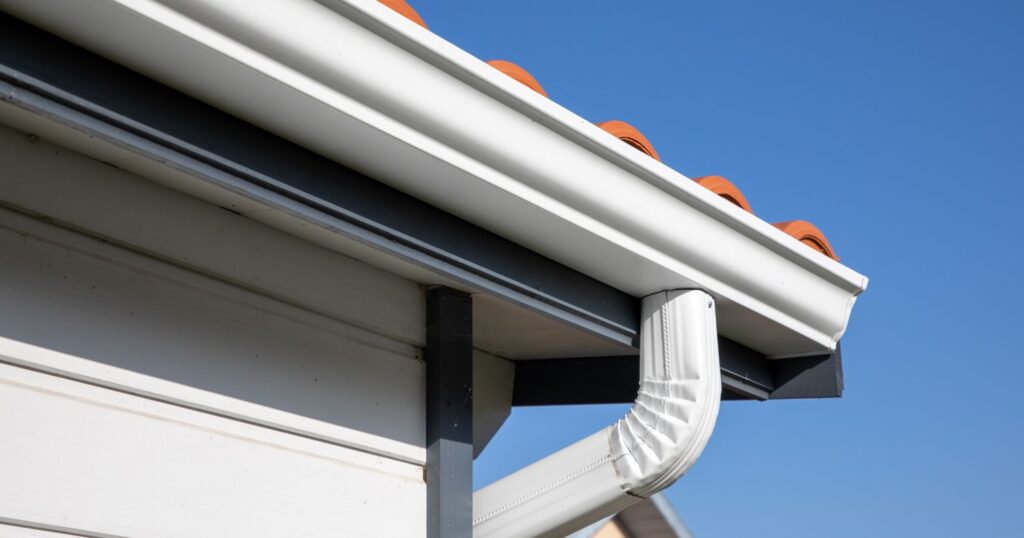
Generally, gutters come in two standard sizes: 5-inch and 6-inch.
In some specialty cases, such as for steep roofs or smaller homes, you might consider sizes like 4-inch or 7-inch gutters.
Signs That Your Gutters Need to Be Upsized
Recognizing when your gutters may need to be upsized involves observing several key indicators:
Overflow During Rainfall
The most obvious sign is if your gutters frequently overflow during heavy rain. This indicates that they may not be able to handle the volume of water, signaling a need for larger gutters.
Pooling Water Around the Foundation
Seeing water pooling near the foundation after rainstorms suggests that the current gutter size is insufficient to manage water runoff effectively.
Frequent Clogging
Gutters will always clog, and regular maintenance is always required to avoid water backing up. But if you feel you’re out before every rainstorm clearing the gutter, you may have the wrong size.
Sagging
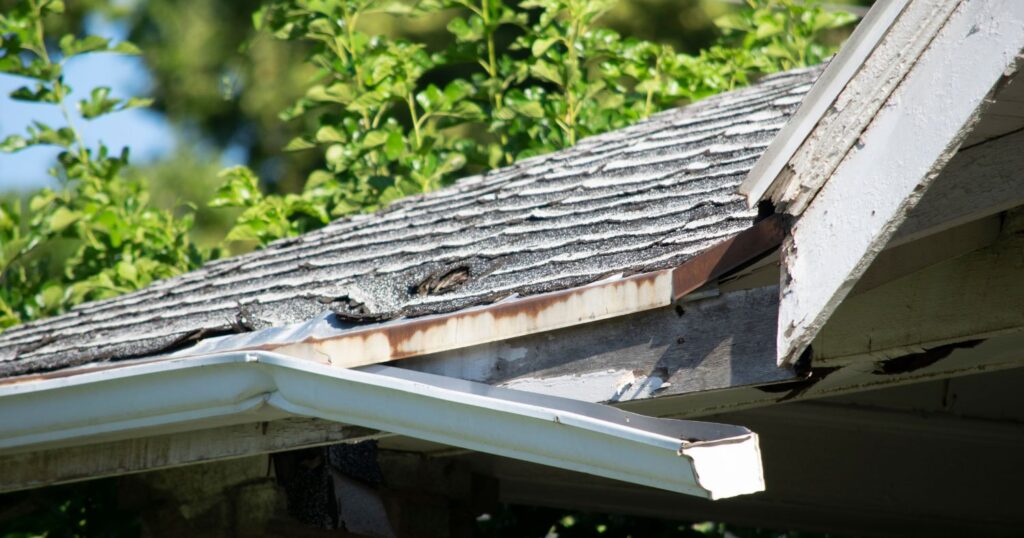
Visible sagging or pulling away from the house could mean your gutters need some TLC in the form of some maintenance and repair.
However, it can also indicate that the current gutter size is unable to handle the weight of water, necessitating larger gutters for better support and drainage.
Identifying these signs early allows homeowners to address gutter sizing issues proactively, preventing potential water damage to their homes.
The Difference Between 5 and 6-Inch Gutters
When deciding between 5-inch and 6-inch gutters for your home, it’s important to understand how each size impacts water management and overall effectiveness.
- Capacity: The primary difference lies in their water-handling capacity. A 6-inch gutter can handle more water than a 5-inch gutter, making them ideal for areas with heavy rainfall or roofs with a large surface area.
- Compatibility with Roof Size: Larger roofs with steep pitches naturally shed more water during storms. In such cases, 6-inch gutters are recommended to effectively manage the increased runoff without overflowing.
- Aesthetics: The size of the gutter can also affect the overall look of your home. While both sizes are functional, 6-inch gutters may appear more proportionate on larger homes or roofs with complex designs.
- Maintenance: Both sizes require regular maintenance to ensure proper function. However, 6-inch gutters may accumulate debris less frequently due to their larger opening, reducing the frequency of cleaning.
Choosing Between 5 and 6-Inch Gutters
Choosing between 5-inch and 6-inch gutters depends on factors such as your roof size, local climate, and aesthetic preferences.
Consulting with a professional can help determine the optimal gutter size that best suits your home’s needs and ensures effective water management.
Pitch, Plane, and Downspout Assessment to Determine Your Gutter Needs
Selecting the right gutter size involves assessing your home’s specific requirements to ensure adequate water management and protection against potential damage.
To determine whether 5-inch or 6-inch gutters are best suited for your home, consider:
- Roof Pitch: Steeper pitches shed water more quickly, often requiring more oversized gutters like 6-inch ones to handle the runoff effectively. For example, on a roof with a steep pitch of 10/12, 6-inch gutters are recommended to handle the rapid runoff.
- Roof Plane: The size of your roof’s surface area influences how much water needs to be managed. Larger roofs typically benefit from 6-inch gutters to prevent overflow. For example, a smaller roof area of 1,200 square feet means the volume of water is lower. Therefore, 5-inch gutters might be appropriate.
- Size of Downspouts: The capacity of downspouts paired with gutters affects how quickly water is drained away from your home. Larger gutters necessitate larger downspouts to maintain efficiency.
Cost of 5 and 6-inch Gutters
The cost of installing gutters can vary based on several factors, including materials, labor, and additional features. Here’s what to consider:
- Material Costs: The type of material chosen for the gutters affects overall costs. Common materials include vinyl, aluminum, steel, and copper, each with varying price points and longevity. Aluminum is often a cost-effective choice, while copper tends to be more expensive but offers durability and aesthetic appeal.
- Installation Costs: Labor costs for gutter installation can vary based on the complexity of the project, accessibility of the roofline, and local labor rates. Installing larger gutters may require more effort and time, impacting installation costs.
Optional Additional Features that Affect Cost
Optional features such as gutter guards or screens, which help prevent debris buildup, can add to the total cost. These features may increase the upfront investment but reduce maintenance needs over time.
Maintaining and Cleaning Your Gutters
Regardless of their size, gutters need to be regularly maintained. Ensuring they remain clear and functional is crucial for protecting your home from water damage.
This includes…
- Clearing Debris: Use a trowel to remove leaves and twigs, ensuring unobstructed water flow.
- Flushing Gutters: Use a hose to flush out remaining debris and check downspout functionality.
- Checking for Damage after Storms: Promptly repair any cracks, leaks, or sagging to prevent further issues.
- Trimming Overhanging Branches: Reduce debris accumulation by trimming nearby tree branches.
- Hiring Professional Service: Schedule periodic professional cleanings and inspections to maintain optimal gutter performance.
Regular maintenance extends the lifespan of your gutters and protects your home from potential water damage.
Contact Us To Get The Right Gutters for Your Home
Choosing the right gutter size is crucial for safeguarding your home against water damage.
Whether you need advice on gutter sizing, installation, or maintenance, our team is here to help.
Contact us today for a free estimate on your roofing project and to ensure your home has the optimal gutter system for its needs.

FAQ
Why is the correct gutter size important?
Choosing the correct gutter size is crucial for effective water management. Gutters that are too small can overflow during heavy rain, causing water damage to your home’s foundation. The right size ensures rainwater is efficiently directed away from your home, protecting it from potential harm.
What is the difference between 5-inch and 6-inch gutters?
The primary difference is their water-handling capacity. A 6-inch gutter can handle more water than a 5-inch gutter, making it ideal for areas with heavy rainfall or large roofs. Additionally, 6-inch gutters may reduce the frequency of debris accumulation and maintenance.
What are the signs that my gutters need to be upsized?
Signs include frequent overflow during rainfall, water pooling around the foundation, frequent clogging, and visible sagging or pulling away from the house. These indicate that the current gutter size may be insufficient.