Roofing Questions to Ask Before You Buy a Home

Don’t place that offer on your “dream home” just yet.
Look up—specifically at the roof.
It’s your first line of defense against the volatile elements, and its condition influences the value and safety of your new home.
This article will guide you through the critical roofing questions to ensure you make an informed decision.
Ask these roofing questions before buying a home:
- How Old Is the Roof?
- Can I See the Documentation of the Last Professional Roof Inspection?
- Have There Been Any Recent Repairs or Replacements?
- Are There Any Existing Warranties on the Roof, and Are They Transferable?
- What Is the Condition of the Gutters and Downspouts?
- Are There Signs of Leaks or Water Damage?
- Are There Any Visible Signs of Sagging or Structural Issues?
- Is There Adequate Ventilation in the Attic?
- How Does the Roof and Insulation Contribute to the Home’s Energy Efficiency?
How Old Is the Roof?
If a roof is approaching or has surpassed its typical lifespan, it might need repairs or complete replacement sooner—something you don’t want to take on when you just bought a house.
If the roof is older, you might be able to negotiate a lower price for the house or request that the seller make repairs before the purchase is finalized.
For instance, asphalt shingle roofs last 20 to 30 years, while metal or tile roofs last 50+ years.
Asking about the roof’s age also helps you assess how soon you might need to budget for a replacement.
Can I See the Documentation of the Last Professional Roof Inspection?
You can also arrange your own inspection for a second opinion before purchasing the home.
The inspection report should detail the condition of the:
- shingles
- underlayment
- gutters
- downspouts
- flashing
It will also note any signs of sagging or structural issues that could indicate serious problems.
The report should list any recent repairs and their extent. This information helps you gauge how well the roof has been maintained and what issues have been addressed recently.
The report can also verify the seller’s claims regarding the roof’s condition and the home’s upkeep.
Be sure to verify that a licensed and reputable professional conducted the inspection.
Have There Been Any Recent Repairs or Replacements?
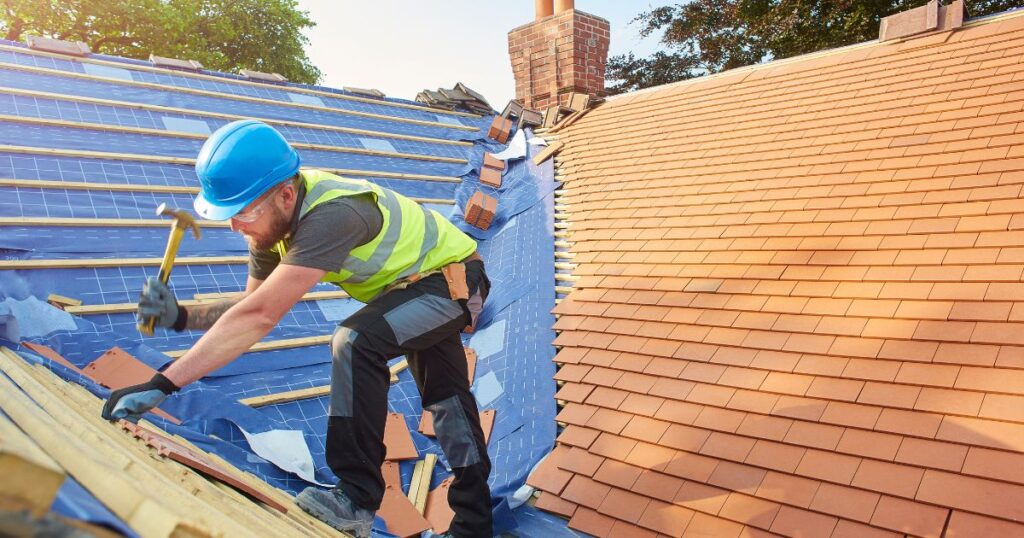
When evaluating a property, ask for detailed records of recent roof repairs or replacements.
Regular maintenance, such as replacing worn shingles or fixing leaks, suggests that the roof has been well cared for. Conversely, a history of frequent repairs might indicate persistent issues that could continue to cause problems.
Inquire about:
- who performed past repairs (reputable contractor vs. DIY)
- whether appropriate materials were used
- the scope of the work (partial vs. full replacement)
This affects the roof’s long-term viability and warranty conditions.
A roof in good condition might be a selling point, while one with a problematic repair history might warrant a lower offer to accommodate future investments.
Are There Any Existing Warranties on the Roof, and Are They Transferable?
A roof warranty often comes in two forms:
- a manufacturer’s warranty, which covers defects in roofing materials
- a workmanship warranty from the contractor who installed the roof, which covers errors in installation
Not all warranties automatically transfer to new owners; some require a transfer fee or have stipulations about the transfer process.
Warranties might be voided if the previous homeowner did not perform the required maintenance or made modifications without professional guidance.
A valid, transferable warranty is a significant asset in real estate negotiations. If the warranty is nearing expiration or is non-transferable, it could serve as a bargaining point.
What Is the Condition of the Gutters and Downspouts?
Properly functioning gutters and downspouts channel rainwater away from the home.
When they fail, it leads to roof leaks and water seeping down your walls and into your basement.
Identifying and addressing issues with gutters and downspouts early prevents more severe problems like foundation cracks and basement flooding.
Here’s what to look for and why it’s important:
Blockage and Debris
Gutters should be clear of leaves, twigs, and other debris that cause blockages.
Clogged gutters lead to water overflow, damaging the siding and seeping into the foundation.
Physical Condition
Inspect gutters and downspouts for signs of rust, holes, or separations.
Any damage compromises their ability to conduct water effectively.
Attachment and Alignment
Ensure all gutters and downspouts are securely attached to the house and properly aligned.
Poorly secured or misaligned gutters lead to inefficient water flow and pooling.
Water Staining and Soil Erosion
Look for water stains or soil erosion directly below the gutters where water might spill over in one spot and displace soil.
These signs indicate that water is not being correctly diverted.
Are There Signs of Leaks or Water Damage?
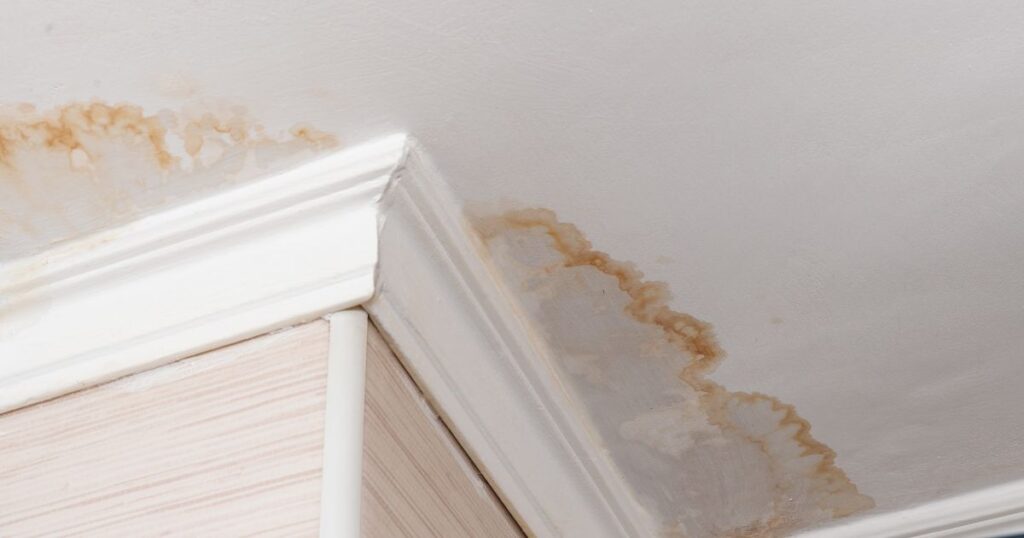
When viewing a property, look for discolorations or water stains on ceilings and walls, especially those that are dark or rusty in color.
These are tell-tale signs that water has breached the roof’s defenses, which can be due to:
- compromised shingles
- faulty flashing
- or other failures in the roofing system
Where there is moisture, there is a potential for mold and mildew growth. These pose health risks and lead to costly remediation efforts.
Over time, persistent moisture weakens structural elements such as rafters, ceiling joists, and wall framing.
If water damage is apparent, have a professional roofing inspector determine the leaks’ source, the damage’s extent, and the necessary repairs.
Are There Any Visible Signs of Sagging or Structural Issues?
A roof that sags or displays structural deformities might suffer from underlying issues.
Look for any noticeable dips or curves in the roofline. Sagging suggests that the roof’s framing is weakened or damaged, possibly due to:
- water infiltration
- heavy snow loads
- inadequate support structures
Check for visible cracks or splits in the roofing material, especially around the roof’s ridge and along the joints. These can allow water to enter, leading to further damage.
Notice if any shingles or tiles are buckling, curling, or appearing misshapen. This could be a sign that the roof deck is moving or deteriorating beneath them.
From inside the attic, look for any daylight coming through the roof, which indicates holes or gaps.
Is There Adequate Ventilation in the Attic?
Adequate attic ventilation is key to maintaining a balanced climate within the home, which directly impacts the roof’s integrity.
A well-ventilated attic helps keep the attic space cooler during summer, which:
- prevents the overheating of roof shingles, which can warp or degrade under extreme heat
- reduces the strain on your air conditioning system
Proper ventilation also prevents the buildup of moisture that leads to mold, mildew, and wood rot.
Ventilation is critical during Chester County’s notoriously cold winters to prevent ice dams. These occur when heat from an inadequately ventilated attic melts snow on the roof, which refreezes at the eaves, causing water to back up and leak into the home.
When inspecting a home, look for vents at the roof’s eaves, ridge, or gables. These should appear unblocked and in good condition.
The absence of adequate vents or signs of moisture issues in the attic, such as stained wood or rusted nails, may indicate insufficient ventilation.
How Do the Roof and Insulation Contribute to the Home’s Energy Efficiency?
A roof equipped with the right materials can save energy by stabilizing indoor temperatures and reducing the need for heating and cooling.
Here’s what to consider:
Insulation Quality
Insulation acts as a barrier to heat transfer, keeping your home warm in the winter and cool in the summer.
Ask about the type and R-value of the insulation used, as this will indicate how well the roof resists heat flow.
Reflective Properties
Some roofing materials, like “cool roofs,” are designed to reflect more sunlight.
This is particularly beneficial during hot Chester County summers, where excessive heat absorption by a roof leads to high cooling costs.
Sealing and Weatherproofing
A well-sealed roof, without gaps or leaks, prevents air leakage.
This maintains energy efficiency by keeping conditioned air inside the home and unconditioned air out.
Also, proper weatherproofing prevents water infiltration that can lead to insulation damage.
Inspect Before You Buy With Martini Roofing
Understanding the ins and outs of the home’s roof you are considering buying prevents you from making a costly mistake.
Martini Roofing offers comprehensive inspections and expert consultations to help you make the most informed decision.
Our expertise ensures that your new home’s roof is in top condition, or if it’s not, that you’re prepared with the knowledge to negotiate accordingly.
Let us help you ensure that your dream home comes with the comfort and security of a well-maintained roof.
Contact Martini Roofing for a detailed inspection before you finalize your home purchase.
FAQs
How do I choose the right roof?
Consider your climate, house style, and budget. Evaluate materials for durability, maintenance needs, and energy efficiency. Consulting with a roofing professional can also provide insights tailored to your specific conditions and preferences.
What is the best roof for your money?
Asphalt shingles are typically the best roofing material for those looking to balance cost and quality. They are affordable, durable, and come in various styles and colors to match any home aesthetic.
Which roof is likely to be the most expensive?
Slate roofing is often the most expensive due to its longevity, natural appearance, and durability. It’s a significant investment but can last over 100 years, making it a premium choice for homeowners prioritizing long-term value.
What are the three main types of roofing materials?
The three primary types of roofing materials are:
- asphalt shingles
- metal
- tile
Asphalt shingles are widely used for their cost-effectiveness and versatility. Metal roofs offer durability and energy efficiency. Tile roofs, made from clay or concrete, provide exceptional longevity and classic aesthetic appeal.