Spring Cleaning Your Home’s Exterior: How to Maintain Your Roof, Gutters, and Soffits

What You’ll Learn
Can I maintain my roof myself?
It depends! If you are comfortable with heights and have a secure ladder, you can take care of cleaning your gutters and trimming branches.
Everything else (and even these small DIY tasks) can be left to the professionals. Just make sure to remember that your roof also needs some TLC in the spring.
In This Blog:
It’s time to think about the annual ritual of spring cleaning.
This year, extend your focus to the roof, gutters, and soffits.
This critical component of your spring cleaning checklist not only serves to protect your home but also maintains its beauty and structural integrity.
We’ll delve into the critical aspects of maintaining your roof, gutters, and soffits, ensuring your home stands strong against the elements, season after season.
How to Maintain Your Roof
Tailor your maintenance strategy to the type of roof you have. Asphalt shingles, metal roofs, and flat roofs have unique needs and best practices.
Know the signs of potential problems, such as water stains on ceilings or walls, which could indicate a leak.
Roof Maintenance Checklist
Inspections
- Inspect the roof structure and attic for signs of sagging, water damage, or other structural issues affecting the roof’s integrity.
- Check for signs of pest infestation, such as birds, rodents, or insects that damage the roof materials or structure.
Removals
- Cut back trees and branches that could scrape against the roof in the wind, drop debris, or provide a pathway for pests.
- Removing snow from the roof prevents excessive weight and ice dam formation, which causes water to back up and leak into the home.
Applications and Treatments
- Treat the roof to prevent or remove moss, algae, or fungal growth, which deteriorates roofing materials over time.
- Reapply sealant and caulking around roof penetrations, such as vent pipes, chimneys, and skylights, to prevent water leakage.
- For certain types of roofs, applying a protective coating extends the roof’s life by protecting against UV rays, weather, and physical damage.
Early Signs of Damage
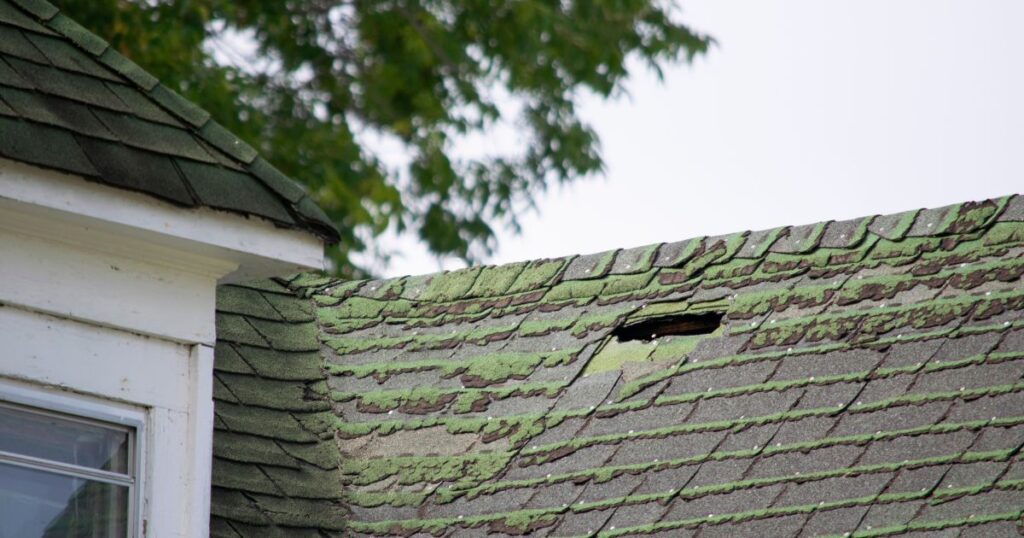
Homeowners should be vigilant for signs such as:
- missing, cracked, or curling shingles
- algae or moss buildup
- visible wear and tear around chimneys, vents, and pipes, including rusted flashing or cracked sealant
If identified promptly, these early signs of damage can often be repaired easily, preventing water infiltration and structural damage.
How to Maintain Your Gutters
Gutter Maintenance Checklist
- The primary task in gutter maintenance is removing leaves, twigs, and other debris that clog the gutters and downspouts, preventing water from flowing freely.
- Inspect gutters for any signs of damage, wear, or sagging. This includes checking for rust on metal gutters, cracks in plastic gutters, and any holes that could lead to leaks.
- Fix any issues identified during the inspection, such as sealing leaks, patching holes, or securing loose gutters and downspouts back to the fascia boards.
Clean your gutters at least twice annually – once in late spring and again in early fall to prepare for the incoming rain and snow.
However, homes graced with surrounding trees might require a more diligent approach because of the seeds, pollen, and leaves that will fall or blow into your gutter.
How to Clean Your Gutters
- Use a sturdy ladder with stable footing to get within arm’s reach of your gutters. Wear durable gloves to protect your hands from sharp objects and debris, and consider safety goggles to shield your eyes.
- Utilize a gutter scoop or a small hand trowel to remove leaves, twigs, and sediment from the gutters.
- After the solid debris is cleared, flush the gutters with a garden hose to remove the remaining particles and check for proper flow.
- If water backs up, use a plumber’s snake to clear the path.
- Conduct a thorough inspection of the gutter system for any signs of damage, including cracks, sagging, or loose sections. Tighten any loose fasteners and apply sealant to small leaks.
Signs Needing Attention
Gutters in disrepair exhibit several signs that demand immediate attention:
- sagging gutters, often a result of the weight of accumulated debris or water
- leaks and overflows during rainfall are clear indicators that water is not being properly channeled away from the home

Gutter Guards
One effective solution to reduce the frequency of gutter cleanings is the installation of gutter guards.
These devices act as a barrier to leaves and debris while permitting rainwater to pass through.
Gutter guards come in various styles, including mesh screens, foam inserts, and surface tension models, each designed to fit different gutter types and preferences.
How to Maintain Your Soffits
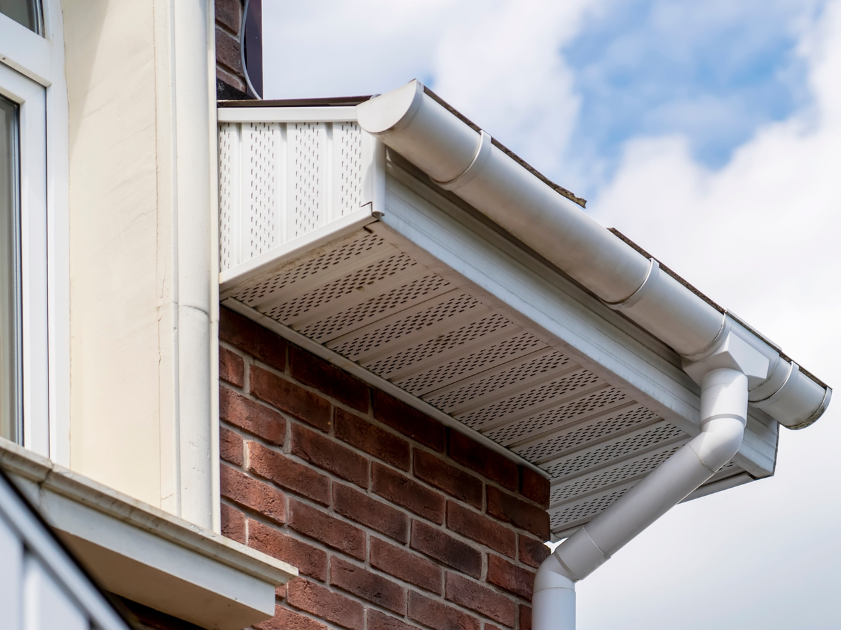
A soffit is a crucial component of your home’s roofing system, nestled comfortably between the roof’s edge and the side of your house.
Soffits are pivotal in ventilating your attic, helping to draw heat and moisture away that would otherwise lead to mold or rot in your rafters.
Homeowners should conduct visual inspections of their soffits periodically, especially after severe weather conditions, to ensure they remain in good condition and function effectively.
Soffit Maintenance Checklist
- Inspect soffits for any signs of damage, such as cracks, holes, or areas of rot. This also includes checking for discoloration or peeling paint, which could indicate moisture issues.
- Keep soffits clean from dust, debris, and spider webs.
- Ensure that soffit vents are not blocked by insulation or other materials inside the attic, maintaining proper airflow from the soffits into the attic space.
- Address any damage found during inspections promptly. This may involve patching holes or sealing cracks.
Signs Your Soffits Need to be Repaired or Replaced
Here are some early signs that your soffits are blocked or damaged:
- your attic is excessively hot or moist
- they’re sagging
- they have holes
- their paint is peeling off
- there are pests in your attic (they probably made a nest in your soffit)
Choosing Durable Materials
Your soffits might occasionally need a quick repair or a full replacement, especially if they’ve been damaged by moisture intrusion or pest infestation.
If you’re replacing your soffits, vinyl and aluminum are popular choices due to their durability and minimal maintenance requirements.
Pest Prevention Strategies
Soffits can also be entry points for pests such as birds, squirrels, and insects, which can cause damage and block ventilation.
To prevent pest intrusion, seal any openings that are not part of the soffit and regularly inspect soffits for potential entry points.
Installing soffit vent screens can also deter pests while allowing air to flow freely.
How Often You Should Inspect Your Roof
Have a thorough roof inspection twice yearly, in the spring and fall.
Also, have one after severe weather events like hail storms or hurricanes.
When to DIY vs. When to Call a Professional
While engaging in DIY maintenance tasks such as cleaning gutters and removing debris from the roof surface can effectively prevent damage, there are limitations to what should be undertaken without professional expertise.
Professional roofers are equipped with the knowledge, tools, and safety equipment necessary to conduct thorough inspections, identify issues that may not be visible from the ground, and perform repairs that ensure the roof’s integrity.
How Regular Maintenance Extends Your Roof’s Lifespan
Simple actions like keeping the gutters clean to prevent water backup, removing overhanging branches that can scrape the roof surface, and addressing minor damages such as loose or missing shingles can significantly increase a roof’s lifespan.
Avoid power washing your roof, neglecting gutter cleaning, and delaying minor repairs.
Ensuring your attic is well-ventilated and properly insulated also plays a critical role in preventing ice dam formation and reducing heat buildup, which can prematurely age your roof.
Maintaining your Roof, Gutters, and Soffits with GP Martini Roofing
We understand the critical role a well-maintained roof, clean gutters, and functional soffits play in safeguarding your home.
From conducting thorough inspections to identify potential issues early to cleaning and repairing gutters and soffits, GP Martini Roofing is committed to ensuring the longevity and performance of your roof.
Don’t wait for minor issues to become major headaches.
Contact GP Martini Roofing today or claim your $50 off repairs coupon.

FAQs
How do I prolong the life of my roof?
Conduct regular inspections to catch and address issues early to prolong your roof’s life. Ensure gutters are clean and debris-free to prevent water buildup.
Also, keep nearby trees trimmed to avoid branch damage and reduce debris accumulation. Proper attic insulation and ventilation are crucial to prevent interior damage from temperature extremes.
How often should soffits be cleaned?
Soffits should be cleaned at least once a year to prevent dirt and debris from building up.
Homes in areas with high pollution or surrounding trees might require more frequent cleaning to maintain their appearance and functionality.
What kind of maintenance does a roof need?
Roof maintenance includes bi-annual inspections, cleaning gutters and downspouts, removing debris from the roof surface, checking for and repairing any damages like missing shingles or leaks, and ensuring adequate attic ventilation and insulation.
Regular maintenance can identify potential issues early, preventing costly repairs.
How do I keep my gutters looking new?
To keep your gutters looking new, clean them regularly to remove leaves, twigs, and debris. Apply a protective coating to guard against rust and corrosion.
Also, consider installing gutter guards to minimize debris accumulation and maintain the aesthetic appeal of your gutters.