The Link Between Bubbling Paint and Roof Leaks
What You’ll Learn
Why is the paint on my ceiling bubbling?
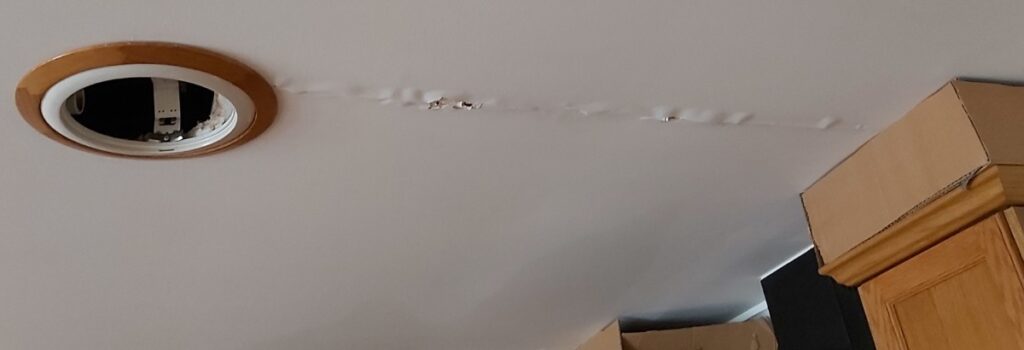
Bubbling paint is often a sign that moisture is getting into your home. Roof leaks, flashing issues, or clogged gutters are common causes of this.
In This Blog:
Can you pop it?
There’s a giant bubble of water protruding beneath the paint on your wall.
It’s okay to pop it so it can drain and dry if the water source is clean, but bubbling paint could be the tip of the iceberg of a greater problem: a roof leak.
Let’s dive into how to address this problem before it turns into significant damage.
The Connection Between Roof Leaks and Bubbling Paint
Water finds its way through vulnerabilities in your roof, like damaged shingles, compromised flashing, or blocked gutters.
Once inside, it travels, seeping into your walls’ interior spaces. This moisture then gets trapped behind the paint.
The paint then bubbles and peels—but this is only one symptom of a roof leak.
Note: The location of the paint bubble doesn’t help you pinpoint where the leak is coming from. It could be coming from your roof, but it could also come from your faucet or shower drain, for example.
What’s going on behind the cosmetic damage
If you ignore the bubble on your wall for weeks or months, you risk potential structural damage within your walls.
In the worst-case scenario, wood components may begin to rot, and mold could grow in the damp environment, leading to indoor air quality issues and potential health risks for you and your family.
The Usual Suspects Behind Roof Leaks
Over time, your roof faces wear and tear from relentless sun exposure, battering rains, howling winds, and the occasional snow blanket. Here’s where leaks usually come into play:
- Damaged Shingles: When shingles are missing, curled, or cracked, water seizes these vulnerabilities as an open invitation to enter your home.
- Clogged Gutters: When your gutters are blocked with leaves and debris, water pools and seeps under your shingles, finding its way into your home.
- Compromised Flashing: Flashing acts as the sealant around your chimney, vents, and roof valleys. Water easily penetrates these weak spots if it’s damaged or has gaps.
How to spot trouble before it starts
From the Outside: Grab a pair of binoculars and conduct a visual sweep of your roof.
Missing or damaged shingles are usually visible.
Gutters overflowing with debris indicate they’re not doing their job.
And if the metal flashing looks out of place or shows signs of damage, it’s time for a closer look.
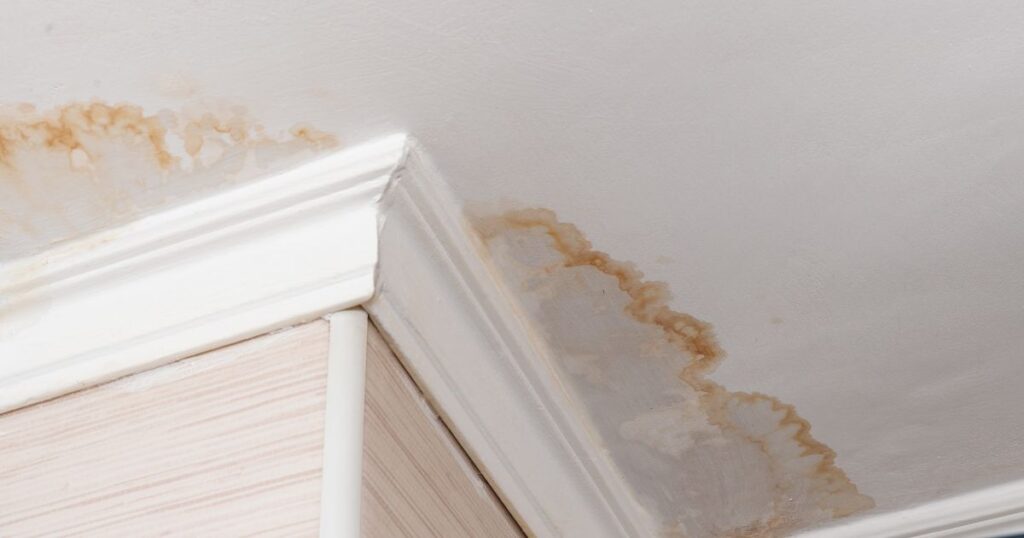
From the Inside: Dark stains on the ceiling or walls, a persistent musty smell, or visible mold signify water intrusion.
Immediate Steps for a Roof Leak
- Contain the Water
Grab buckets, pots, or large containers to catch the dripping water. This simple step prevents water from spreading across your floors, soaking into carpets, or damaging furniture.
- Protect Your Belongings
Move furniture, electronics, and other items away from the leak’s vicinity. If moving large items isn’t feasible, cover them with waterproof covers or plastic sheeting.
- Trace Where the Leak Came From
Try to trace the water’s entry point from the exterior. This detective work isn’t about fixing the leak yourself but about understanding its potential scope and providing valuable information to professionals later on.
- Temporary Roof Coverage
Using a waterproof tarp on top of your roof to cover the suspected leak area provides temporary relief from incoming water. Secure it with sandbags or an anchor board to prevent further damage to your roof.
- Call in the Experts
A professional assessment ensures the repair addresses the root cause, preventing future leaks and securing your home against water damage.
Fix it yourself or call a professional?
Spotting bubbling paint might give you the itch to grab a scraper and paintbrush.
And in some cases, particularly if it’s superficial cosmetic damage, a DIY approach to paint touch-ups can be your weekend project.
However, roof leaks are like icebergs; what you see (or, in this case, what drips) is just a fraction of the potential problem.
Why you should call a professional
- Risk Factor: Roofing work is inherently risky. Even with the right tools, the danger of falls or injuries is significant. Professionals are equipped with safety gear and trained to navigate these hazards.
- Diagnosis: Roofing professionals have the expertise to diagnose the issue accurately, ensuring that repairs address the root cause.
- Quality Assurance: Professionals ensure that repairs are performed correctly, using the right materials and techniques to safeguard your home against future leaks.
- Warranties: Many roofing contractors offer warranties on their work. This provides peace of mind and ensures that if the problem persists, you have recourse.
Risks of Ignoring Minor Roof Leaks and Bubbling Paint
Compromised Structural Integrity: Moisture can rot wooden supports and rust metal fasteners, undermining the stability and safety of your home.
Mold: Moisture from roof leaks creates a prime environment for mold and mildew, which can spread rapidly within walls and ceilings.
The High Cost of Delay: What begins as a small, manageable repair can evolve into extensive damage requiring significant resources to remedy. Early intervention mitigates damage and minimizes repair costs.
Preventing Future Roof Leaks
In homeownership, adopting a proactive stance on roof care is your best strategy for ensuring the longevity and integrity of your home.
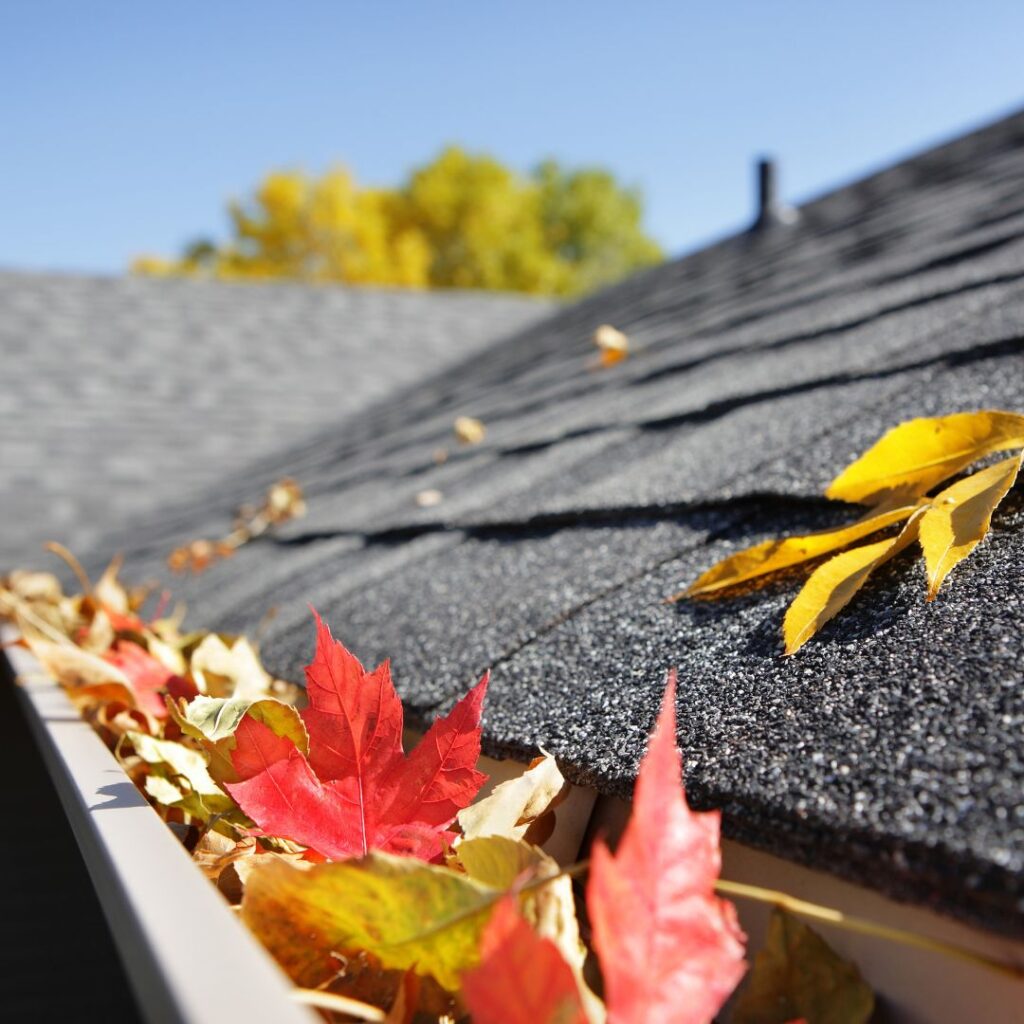
- Keep your gutters clear of leaves, twigs, and debris to prevent water from backing up and finding its way under your roof shingles or tiles.
- Regular inspections of your roof surface can identify potential threats before they escalate.
- Ensure that your attic is properly ventilated and insulated to prevent moisture buildup and ice dam formation, which compromise your roof’s integrity.
- Regularly trimming tree branches that overhang your roof prevents them from scratching and damaging roofing materials in windy conditions and from dropping leaves or pollen clogging your gutters.
How often you should have your roof inspected
Implementing a bi-annual inspection routine during spring and fall is a proactive measure, perfectly timed with the seasons’ change, to catch and address leaks before they become significant concerns.
Why should you get an inspection in the spring and fall?
Spring offers the opportunity to assess and repair any damages incurred during the winter months when snow, ice, and storms test the limits of your roof’s resilience.
Conversely, fall inspections prepare your home for the harsh weather, identifying any vulnerabilities that need fortification against winter’s challenges.
Inspections After Severe Weather
It’s also crucial to remain vigilant following severe weather events.
High winds, hail, and heavy rains compromise your roof’s integrity, sometimes causing immediate and visible damage, while other impacts lurk unseen without a thorough inspection.
Mend and Prevent Roof Leaks with Martini Roofing
Don’t let a minor leak turn into a major headache.
From routine inspections to addressing urgent leaks, our team of skilled professionals is equipped to provide solutions that protect and enhance your home.
Let us ensure that your home remains safe, dry, and beautiful through every season.
Contact Martini Roofing today!

FAQs
Does bubbling paint mean a water leak?
Bubbling paint often indicates a water leak. Moisture seeping into walls or ceilings deteriorates the bond between paint and the surface, causing bubbles.
Identifying and fixing the source of the leak is crucial to prevent further damage.
What does paint bubbling on the ceiling mean?
Bubbling paint on the ceiling usually signals moisture intrusion, often from a roof leak or plumbing issue above.
This moisture disrupts the paint’s adhesion, causing it to bubble and potentially leading to water damage if not addressed promptly.
Does bubbling paint mean mold?
Bubbling paint can indicate underlying moisture problems that may promote mold growth.
While not a direct sign of mold, the moisture suggested by bubbling paint creates conditions where mold can thrive, warranting further investigation.
Why am I getting bubbles under my paint?
Bubbles under paint typically result from moisture intrusion or painting over a damp surface.
Other causes include painting in high humidity or failing to prepare the surface properly. These conditions prevent proper paint adhesion, resulting in bubbling.