The Role of Attic Insulation in Roof Efficiency
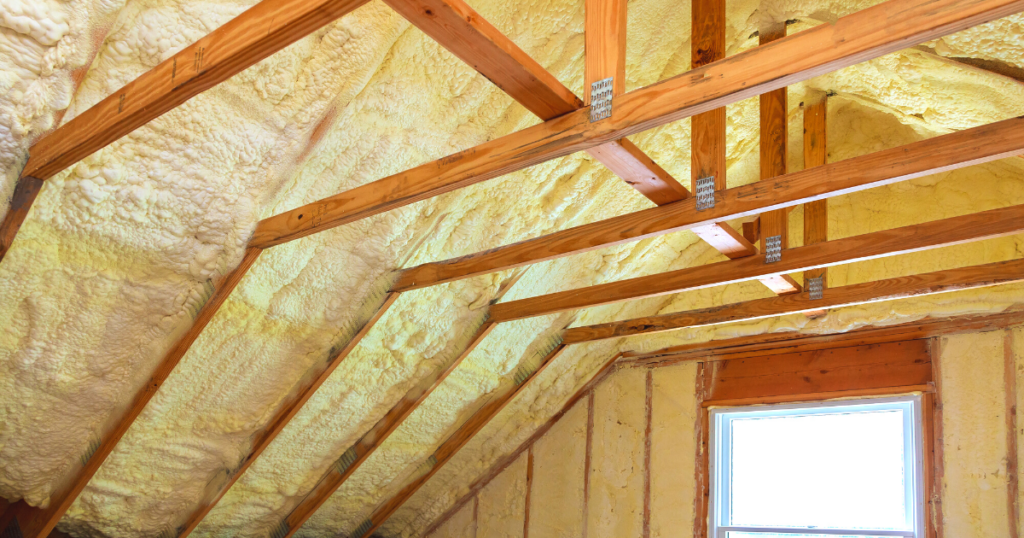
Your attic is just a dingy storage space.
You don’t lounge around up there like you do in your living spaces.
So it shouldn’t matter if it’s freezing in the winter and sweltering in the summer, right?
Except…the damage that can do to your energy bills.
Insulation and Its Effect on Energy Costs
The attic may not be a central part of your home, but a well-insulated attic will act as a thermal barrier for your entire home.
Proper attic insulation plays a major role in keeping heat out during the scorching summer months and traps warmth during the cold winter.
When insulation is inadequate, your heating and cooling systems have to work overtime to maintain comfortable temperatures.
This leads to higher energy consumption and, consequently, steeper utility bills.
Studies from the EPA have shown that proper attic insulation can significantly reduce heating and cooling costs by up to 15%.
Signs Your Insulation Needs Replacement or Improvement
Recognizing when your attic insulation needs a revamp is crucial for maintaining an energy-efficient home.
Here are some telltale signs:
- Uneven Home Temperatures: If certain rooms, especially rooms on higher levels of your home, are consistently too hot in summer or too cold in winter, it’s a strong indicator that your insulation is not performing adequately.
- High Energy Bills: Poor insulation could be the culprit if you’ve noticed a steady increase in your heating and cooling costs without a corresponding change in utility rates or your usage habits.
- Ice Dams in Winter: Snow refreezes at the roof’s edge after heat escapes through the roof and melts the snow that was on top. It’s a sign that your attic isn’t keeping the heat in.
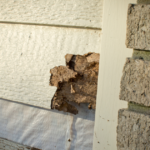
- Pest Infestations: Small animals and insects often nest in insulation. If you’ve had pest problems, it’s a good idea to check your insulation for damage.
- Wet Insulation: Insulation that’s damp or wet has likely lost its insulating properties. This can be due to roof leaks or poor attic ventilation.
- Age of Insulation: Insulation doesn’t last forever. Depending on the kind, insulation can last around 20 to 30 years. That is only if it stays completely dry. If your home is older and the insulation hasn’t been updated in decades, it’s likely time for a replacement.
Choosing the Right Insulation for Your Attic
Understand Insulation R-Values
The R-value measures thermal resistance. In general, the higher the R-value, the better the insulation’s effectiveness.
We get a wild mix of weather in the Chester and Delaware County areas. Because of that, it’s always beneficial to invest in higher R-value insulation that will work well in all temperatures.
Types of Insulation
Common types include fiberglass, cellulose, and foam.
Each has its pros and cons in terms of cost, installation, and efficiency.
Fiberglass (Batts and Rolls):
- Cost: Generally, it is the most cost-effective option, with prices ranging from $0.40 to $1.20 per square foot, depending on thickness and R-value.
- Installation: Easy to DIY for those comfortable with home projects. Requires protective gear (gloves, mask, long sleeves) to prevent skin and lung irritation.
- Efficiency: Offers good thermal resistance (R-Value up to 3.8 per inch) but is not as airtight as foam options.
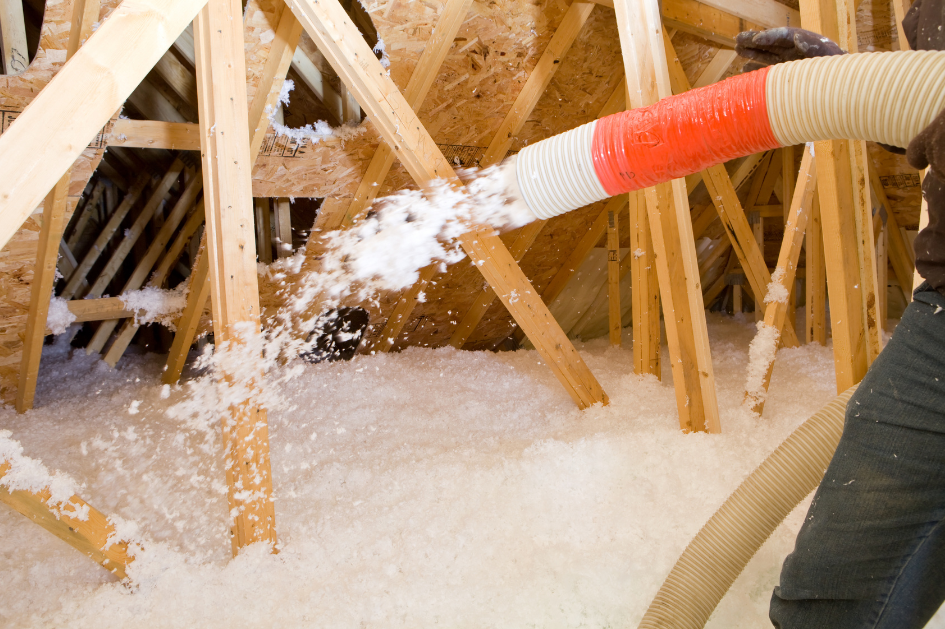
Cellulose (Loose-Fill):
- Cost: Moderately priced, typically between $0.60 and $1.50 per square foot. The cost can vary depending on the complexity of the installation.
- Installation: Professional installation is recommended due to the need for specialized equipment to blow the material into place.
- Efficiency: Good thermal performance (R-value up to 3.8 per inch). It’s an eco-friendly option made of recycled materials but may settle over time, necessitating additional material for optimal effectiveness.
Foam Insulation:
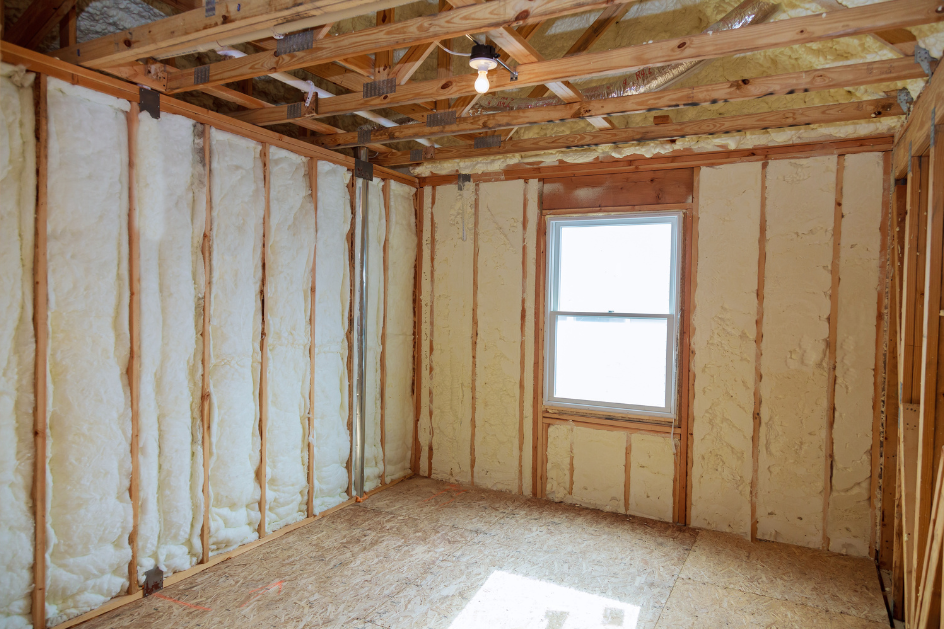
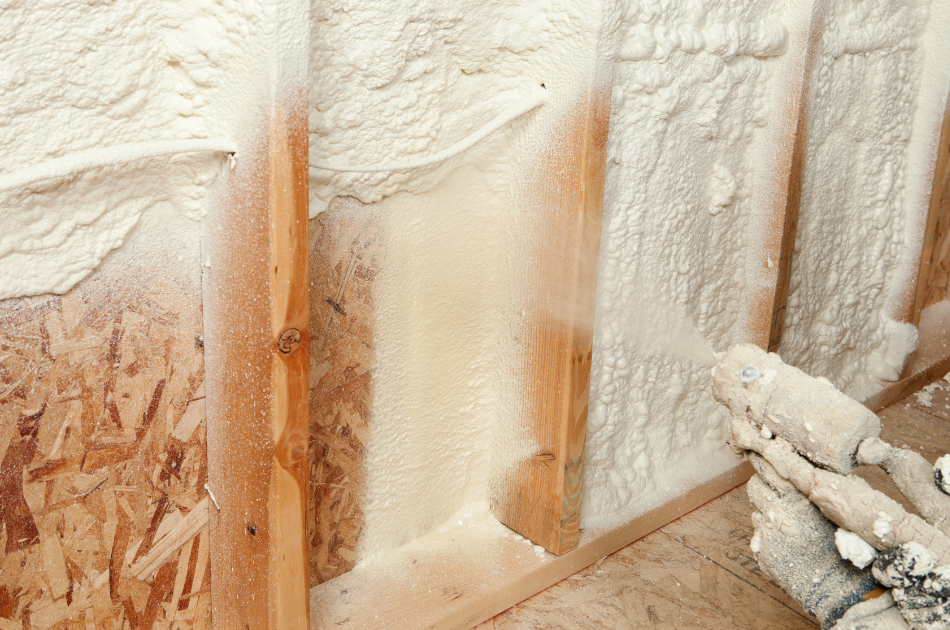
Spray Foam:
- Cost: The most expensive, ranging from $1.50 to $4.00 per square foot, depending on the type (open cell vs. closed cell) and thickness.
- Installation: Requires professional installation. It expands to fill gaps, making it excellent for air sealing.
- Efficiency: High R-value (up to 6.5 per inch for closed-cell foam), providing excellent thermal resistance and air sealing.
Rigid Foam Boards:
- Cost: Prices vary from $0.70 to $1.50 per square foot. Higher costs for boards with higher R-values.
- Installation: More DIY-friendly than spray foam. Ideal for covering large areas but must be cut to fit.
- Efficiency: Offers a high R-value (up to R-6.5 per inch) and is excellent for layering over other insulation types.
Consider Your Home’s Specific Needs
Every home is unique, especially when it comes to insulation needs.
This is particularly true for older homes, which often have distinct architectural features and insulation challenges. Understanding these nuances is key to choosing the right insulation.
For example, loose-fill cellulose can be ideal for attics with irregular joist spacing, and spray foam insulation is excellent for sealing air leaks and gaps that are often found in the attics of older homes.
Fiberglass batts, on the other hand, are a practical option for homes with limited attic space as they can be precisely cut and fit between joists and studs.
Consider Professional or DIY Install
If you’re considering DIYing our insulation, then it may benefit you to pick a specific type of DIY-friendly insulation.
Insulation types, like batts, are easier to install. Others, especially spray foam, are best left to professionals due to the complexity of installation and the need for special equipment.
Protect Your Roof—Contact Us For a Free Estimate
Don’t let inadequate insulation compromise your roof.
Contact us today for a free estimate on your roofing project and take the first step towards a safer, more energy-efficient home.
FAQs
What signs indicate that my attic insulation needs replacement or improvement?
Signs include uneven home temperatures, high energy bills, ice dams in winter, pest infestations, wet insulation, and the age of the insulation.
What does the R-value in insulation mean?
The R-value measures the insulation’s thermal resistance. The higher the R-value, the better the insulation’s effectiveness at preventing heat transfer.
Which types of insulation are suitable for attics?
Common types include fiberglass (batts and rolls), cellulose (loose-fill), and foam (spray foam and rigid foam boards), each with varying costs, installation requirements, and efficiencies.
What are the cost and efficiency differences between fiberglass, cellulose, and foam insulation?
Fiberglass is the most cost-effective and easiest to DIY, but it is not as airtight as foam. Cellulose is eco-friendly and has good thermal performance but may settle over time. Foam insulation is the most expensive but offers excellent thermal resistance and air sealing.
How do I choose the right type of attic insulation for my home?
Consider your home’s specific needs, such as architectural features, attic space, and insulation challenges. Factors like joist spacing and air leaks can influence the choice between loose-fill cellulose, spray foam, or fiberglass batts.
Can I install attic insulation myself, or should I hire a professional?
Some insulation types, like fiberglass batts, are DIY-friendly. However, complex installations, especially with spray foam, are best left to professionals due to the need for specialized equipment and expertise.
How can I get an estimate for insulation replacement or improvement?
Contact a professional insulation provider for a free estimate. They can assess your specific needs and recommend the best insulation solutions for your home, ensuring optimal energy efficiency.