How to Choose the Best Roof Material for Your Home’s Climate and Budget
What You’ll Learn
What is the best roofing material for PA climate?
Metal roofing and Class 4 impact-resistant asphalt shingles are often the best roof material for Pennsylvania’s climate because they withstand snow, ice dams, high winds, hail, humidity, and temperature swings while offering strong long-term durability and value.
In This Blog:
A strong storm rolls through, leaving broken branches and scattered debris in its wake.
Your roof held up this time, but another storm might make that pesky leak crop up again.
So, you wonder, is it time for a new roof?
And if so, how do you choose the right material to withstand the local climate while staying within your budget?
Here’s what you need to know about selecting the perfect roofing material for your home.
What to know to choose roof materials for your climate and budget:
- Understanding Local Climate Needs
- Wind Ratings and Impact Ratings
- Performance in Extreme Weather
- Balancing Initial Costs and Long-Term Savings
Understanding Local Climate Needs
Pennsylvania’s weather patterns are as diverse as its landscapes, presenting homeowners with unique challenges that demand resilient, climate-appropriate roofing solutions.
From occasionally snowy winters to humid summers and the occasional severe storm, Chester County’s roofing needs require materials that offer durability, adaptability, and weather resistance.
Winter Resilience: Protecting Against Snow and Ice
Pennsylvania winters are characterized by frequent snowstorms, freezing temperatures, and occasional ice storms.
Heavy snowfall places significant stress on your roof while fluctuating temperatures lead to freeze-thaw cycles.
These cycles create ice dams—blocks of ice that form at the edge of your roof, trapping melting snow and causing water to seep under shingles.
Summer Performance: Humidity and Heat Resistance
Chester County summers bring a combination of high humidity and occasional heat waves, with temperatures often soaring into the 90s.
This mix of heat and moisture accelerates the wear and tear on traditional roofing materials, especially asphalt shingles, which curl or crack under prolonged exposure.
Humid conditions also create an environment where moss and algae thrive, particularly on shaded roofs.
Wind Ratings and Impact Ratings
When evaluating roofing materials for extreme weather, understanding wind and impact ratings is essential.
These ratings help homeowners assess how well a roof withstands high winds, hail, and flying debris.
Wind Ratings
Wind ratings measure a roofing material’s ability to resist damage from high wind speeds.
These ratings are determined through rigorous testing, simulating conditions like hurricanes or severe storms.
Higher wind ratings indicate materials that withstand stronger gusts without lifting, tearing, or detaching.
Roofing systems are often rated for wind speeds in miles per hour (mph).
Impact Ratings
Impact ratings classify a roofing material’s resistance to damage from hailstones or debris.
These ratings are categorized into Classes 1 through 4, with Class 4 being the highest level of protection.
Higher impact ratings reduce the likelihood of cracks, splits, or punctures.
Performance in Extreme Weather
Pennsylvania’s residents experience everything from frigid winters and hailstorms to heavy rain and high winds.
Here’s how various roofing options perform under these demanding conditions:
Asphalt Shingles
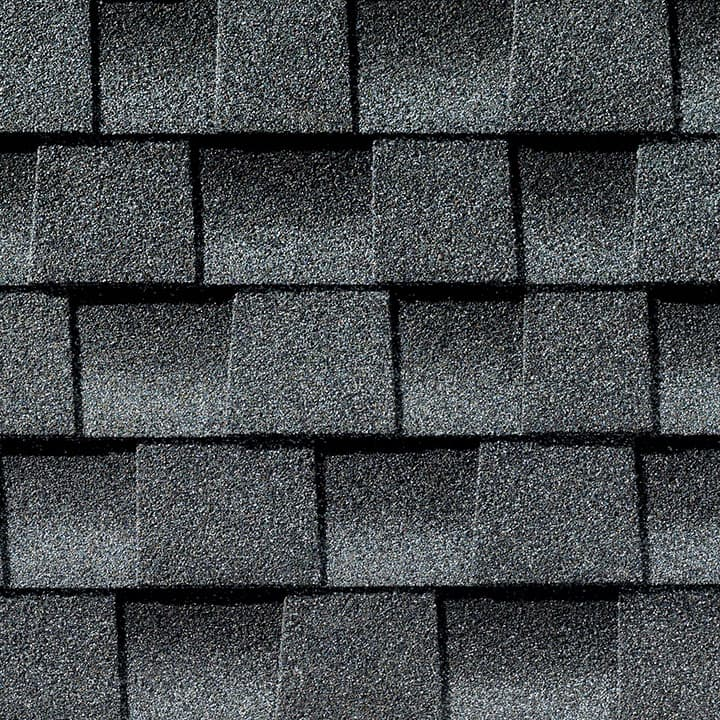
Asphalt shingles are a versatile and cost-effective choice, handling most weather conditions well.
However, they may be susceptible to damage from severe hailstorms or high winds, particularly as they age.
After storms, inspect for cracks, curling, or missing shingles.
Class 4 Impact-Resistant Shingles
Class 4 impact-resistant shingles are specifically engineered to endure the force of large hailstones.
During testing, these shingles are pelted with steel balls mimicking hail impact, ensuring they resist cracking or splitting.
While these shingles cost more upfront, they reduce repair expenses and provide peace of mind during extreme weather.
Additionally, some insurance companies offer discounts for homes with Class 4-rated roofs.
Metal Roofs
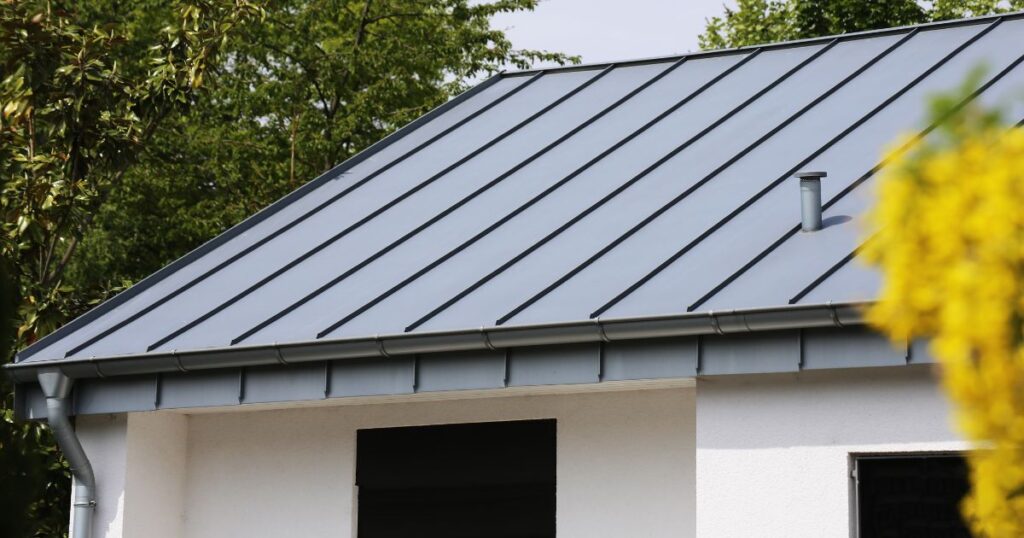
Their interlocking panels provide exceptional wind resistance, with many rated to withstand gusts up to 140 mph.
Additionally, their hard surface resists dents and punctures from hail and flying debris.
In winter, metal roofs excel at shedding snow, reducing the risk of ice dams and excessive weight that strains your roof structure.
Unlike asphalt shingles, metal roofs are less prone to wear and tear over time, maintaining their storm resistance for decades.
Slate and Clay Tiles
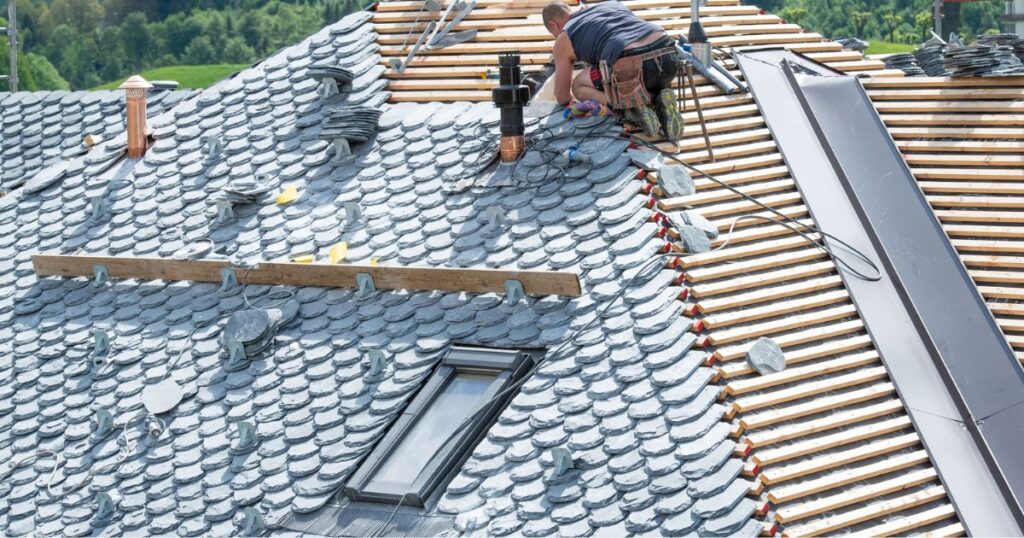
Slate and clay tiles offer impressive durability in harsh weather.
Their dense structure resists cracking under heavy snow or hail, and their weight provides stability against strong winds.
Balancing Initial Costs and Long-Term Savings
Investing in a new roof is a significant financial decision.
While some materials seem expensive upfront, their durability, longevity, and performance lead to substantial savings over time.
Let’s break down the numbers and explore how to strike the right balance for your budget and goals.
Asphalt Shingles
Asphalt shingles are the most budget-friendly option upfront, ideal for homeowners looking for a cost-effective solution without a large initial investment.
- Cost: $3 to $5 per square foot
- Lifespan: 15 to 30 years, depending on the quality and maintenance
- Warranties: Typically 20–30 years, though premium options may offer extended coverage
Class 4 Impact-Resistant Shingles
Class 4 impact-resistant shingles offer enhanced durability and are an excellent choice for homeowners seeking a budget-friendly solution with added protection.
- Cost: $4 to $7 per square foot
- Lifespan: 20 to 30 years, similar to premium asphalt shingles
- Warranties: Often 30 years or more
Metal Roofing
Metal roofing offers a better long-term value for homeowners who can invest more initially.
- Cost: $8 to $12 per square foot
- Lifespan: 40 to 70 years with proper maintenance
- Warranties: Often 50 years or more, sometimes including lifetime coverage
Slate Roofing
For those seeking unmatched longevity and elegance, slate roofing is the premium option.
- Cost: $15 to $30+ per square foot
- Lifespan: Over 100 years
- Warranties: Typically 50 years to lifetime, depending on the manufacturer
Long-Term Savings Beyond the Numbers
When evaluating roofing options, it’s essential to consider more than just the sticker price.
Reduced Replacement Costs
A metal or slate roof lasts two to four times longer than asphalt shingles, minimizing future expenses for materials and labor.
Energy Efficiency
Reflective materials like metal or light-colored asphalt shingles reduce cooling costs in the summer, while slate and clay tiles offer natural insulation for year-round energy savings.
Resale Value
Homes with durable, high-quality roofs are more attractive to buyers, commanding higher prices in the real estate market.
Maintenance Savings
Premium materials like slate and metal require less frequent repairs and maintenance, saving money on upkeep over time.
Partnering with GP Martini Roofing
Choosing the right roofing material is about more than just aesthetics.
It’s about finding a solution that suits your home’s unique needs, your budget, and Pennsylvania’s variable climate.
At GP Martini Roofing, we take the guesswork out of the process, offering expert guidance and craftsmanship to ensure your new roof protects your home for years to come.
Whether you’re looking for a cost-effective repair, an energy-efficient upgrade, or a premium roofing system that lasts a lifetime, we’re here to help.
Contact GP Martini Roofing today to schedule your consultation.
FAQs
What type of roofing is more budget-friendly?
Asphalt shingles are the most budget-friendly roofing option, costing $3 to $5 per square foot. They provide reliable durability and are available in various styles to suit different aesthetics. While their lifespan is shorter than that of premium materials, they offer a cost-effective solution for homeowners on a tight budget.
What type of roof is most energy-efficient?
Metal roofs and cool roofs are the most energy-efficient. Metal roofs reflect sunlight, reducing heat absorption and cooling costs, while cool roofs use reflective coatings to enhance this effect. Green roofs also improve energy efficiency by providing natural insulation that keeps homes cooler in summer and warmer in winter.
What type of roof adds the most value to a home?
Slate roofs add the most value due to their durability, elegance, and century-long lifespan. Their natural insulation properties enhance energy efficiency, and their timeless aesthetic boosts curb appeal. Buyers appreciate their low maintenance and longevity, making slate roofs a desirable and high-value investment for homeowners.
Which roof is best for a rainy climate?
Metal roofs are best for rainy climates due to their seamless, watertight design and durability. Rain slides off their smooth surface easily, preventing leaks and water buildup. Additionally, green roofs help manage stormwater by absorbing rainfall, reducing runoff, and supporting drainage systems in areas with frequent precipitation