What Homebuyers Love About Sustainable Roofing Upgrades
Your neighbor is raving about their lower energy bills.
Their new sustainable roof system keeps their home cooler in summer and warmer in winter, so you start to wonder…
Could a sustainable roof be the upgrade your home needs?
Beyond the immediate cost savings, sustainable roofing systems bring a host of benefits for your home, your wallet, and the environment.
What you need to know about sustainable roofs:
- Top Choices in Sustainable Roofing Materials
- Boosting Home Resale Value
- Financial Incentives for Sustainable Roofing
- Longevity of Sustainable Roofs
Top Choices in Sustainable Roofing Materials
When choosing a sustainable roof, consider materials that balance environmental responsibility with durability, energy efficiency, and aesthetic appeal.
Here’s an in-depth look at some of the best options:
Metal Roofs
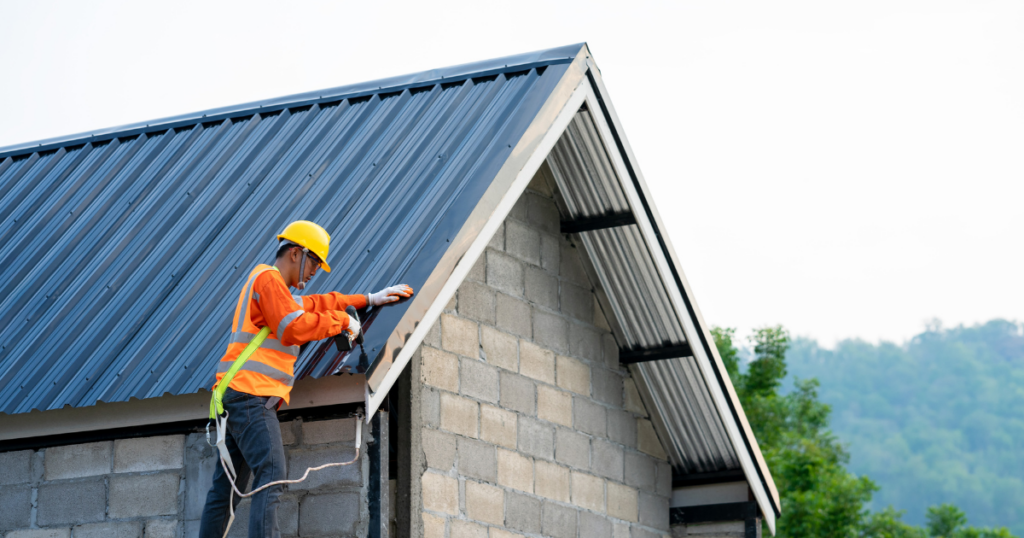
Metal roofs are perfect for homeowners who value longevity, weather resistance, and energy efficiency in a sustainable package.
Metal roofs are crafted from materials like aluminum or steel, which are often recycled and fully recyclable at the end of their lifespan.
Their natural reflectivity helps deflect sunlight, reducing cooling costs during Pennsylvania’s humid summers.
Additionally, metal roofs withstand harsh weather conditions, such as heavy snowfall and high winds.
Recycled Shingles
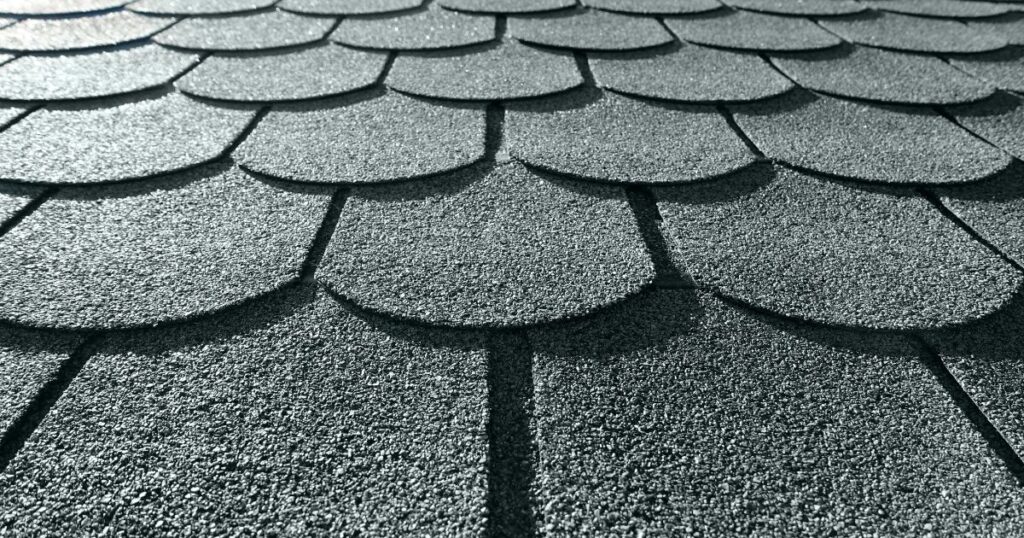
Recycled shingles are an excellent choice for eco-conscious homeowners looking for a cost-effective, sustainable option that doesn’t compromise performance.
Made from materials like reclaimed wood fiber, rubber, or plastic, these shingles replicate the classic look of asphalt or wood shakes without depleting resources.
They are lightweight, durable, and designed to reduce waste that would otherwise end up in landfills.
Their eco-friendly composition doesn’t sacrifice functionality; they provide reliable weather resistance and aesthetic versatility.
Clay and Slate Tiles
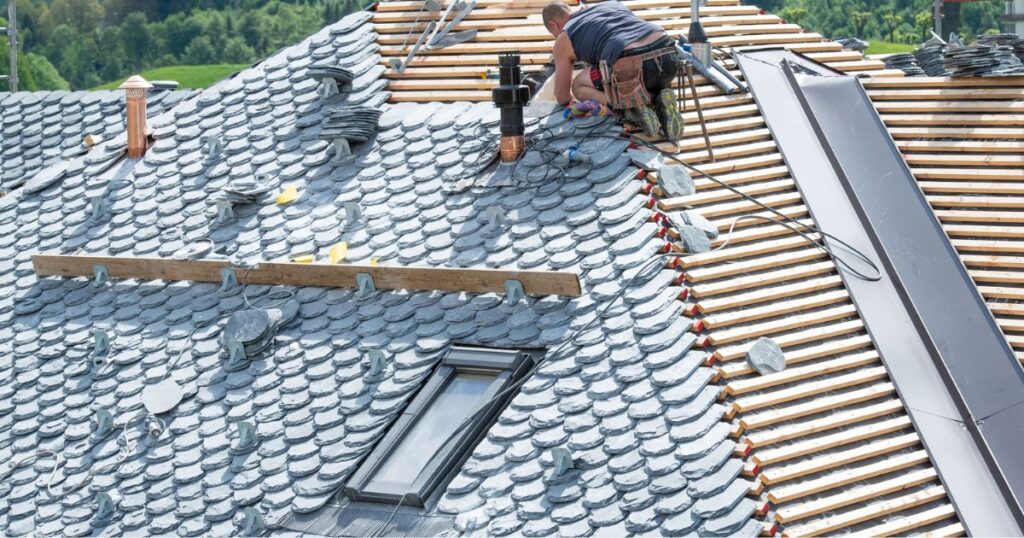
Clay and slate tiles are ideal for homeowners seeking a blend of sustainability, elegance, and durability.
These materials are naturally sourced, require minimal processing, and boast an impressive lifespan of over 100 years.
These materials are exceptionally dense, making them resistant to cracking under the weight of heavy snow.
Clay tiles, in particular, are also highly wind-resistant.
Their thermal properties provide natural insulation, while their timeless appeal enhances the curb appeal of any home.
Though they have a higher upfront cost, their durability and low maintenance needs make them a cost-effective choice in the long run.
Solar Shingles
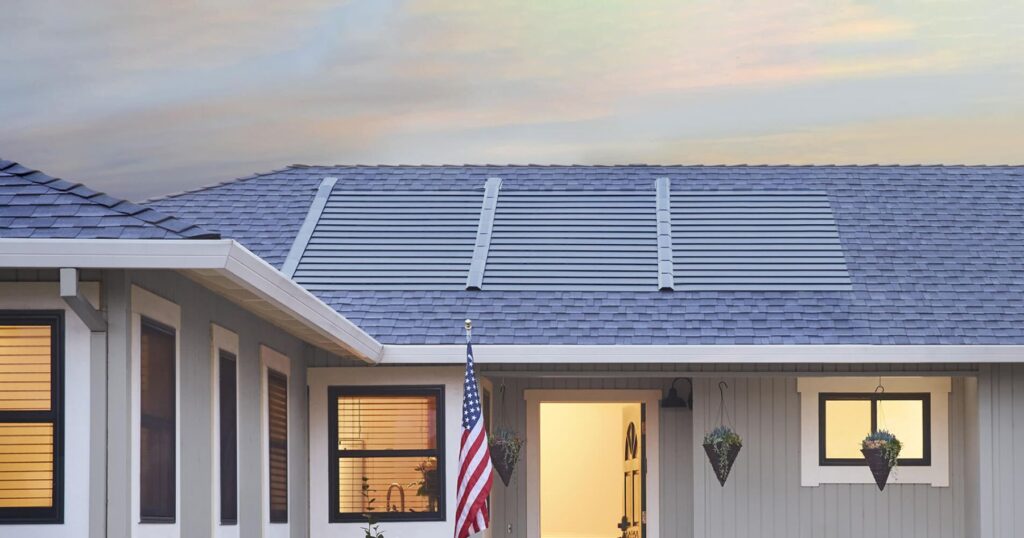
Solar shingles are perfect for homeowners who want to combine clean energy generation with cutting-edge sustainability.
These innovative shingles double as roofing material and energy producers, seamlessly blending into your roof’s design.
Solar shingles are durable and energy-efficient, with a typical lifespan of 25 to 30 years.
They reduce energy costs, lower carbon footprints, and add modern appeal to any home.
Green Roofs
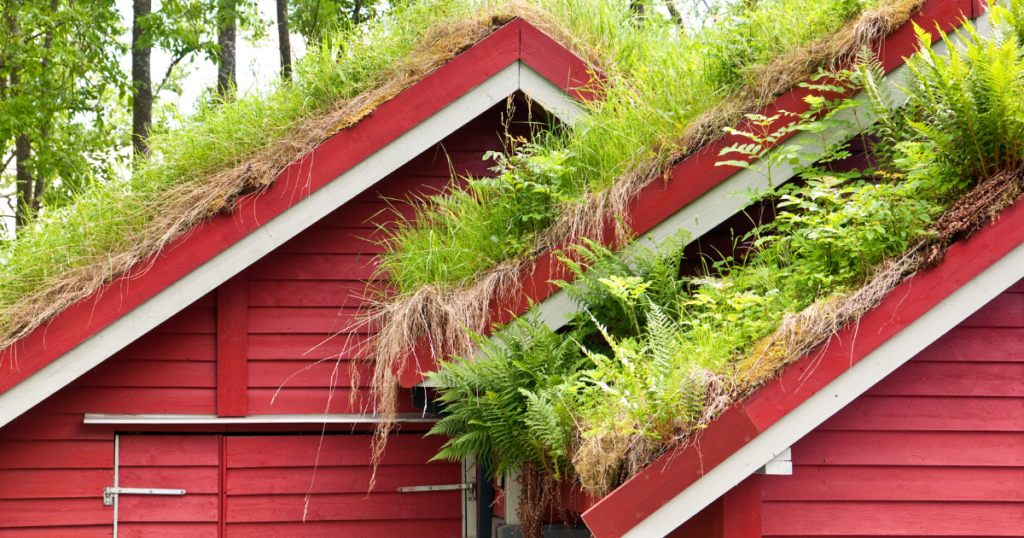
Green roofs are a transformative choice for those who want to combine environmental benefits with aesthetic appeal.
These living roofs are covered in vegetation, offering natural insulation that keeps homes warm in winter and cool in summer.
By absorbing rainwater, green roofs help manage stormwater runoff, which is crucial in areas prone to heavy precipitation.
Additionally, they improve air quality by filtering pollutants and contribute to biodiversity by creating habitats for birds and insects.
While they require structural support and periodic maintenance, the environmental and aesthetic benefits are unparalleled.
Boosting Home Resale Value
A sustainable roof isn’t just an upgrade for your home—it’s a strategic investment that pays off when it’s time to sell.
Why Buyers Value Sustainable Roofs
Energy Savings: Materials like metal roofs with reflective coatings or green roofs with natural insulation help reduce heating and cooling costs.
Durability and Low Maintenance: Roofs made from durable materials like metal or clay last significantly longer than traditional options, reducing the likelihood of costly repairs or replacements for future owners.
Aesthetic Appeal: Beyond their functionality, sustainable roofs add character to a home.
Financial Incentives for Sustainable Roofing
Investing in sustainable roofing isn’t just good for the environment—it’s also a smart financial decision.
Homeowners in Pennsylvania can take advantage of a variety of rebates, tax credits, and incentive programs that reduce the upfront costs of installing an eco-friendly roof.
State and Local Incentives in Pennsylvania
- Property Tax Exemptions: In some areas, adding energy-efficient roofing materials may increase your home’s value without raising your property taxes, thanks to tax exemption programs.
- Local Utility Rebates: Some utility companies in Pennsylvania offer rebates for energy-efficient home improvements. For instance, adding a reflective or insulated roof that reduces cooling or heating demands might qualify for cash-back incentives.
- Financing Options and Grants: Programs such as the Keystone Home Energy Loan Program (HELP) offer affordable loans for energy-efficient projects, including green roofing installations.
- Solar Roofing Incentives: These include the federal Residential Clean Energy Credit and state-specific grants or rebates. Solar Renewable Energy Credits (SRECs) also allow homeowners to earn credits for the energy their solar roof produces.
Longevity of Sustainable Roofs
Sustainable roofing materials are designed not only to minimize environmental impact but also to deliver exceptional durability.
Here’s a closer look at the lifespan and benefits of various sustainable roofing options:
Metal Roofs
Metal roofs are among the most durable options available, with lifespans ranging from 50 to 70 years or more when properly maintained.
Their corrosion-resistant coatings and ability to withstand extreme weather, including heavy snow, high winds, and hail, make them ideal for regions like Pennsylvania.
Recycled Shingles
Recycled shingles offer a sustainable alternative with a lifespan of 20 to 50 years, depending on quality and maintenance.
They replicate the appearance of traditional shingles but with reduced environmental impact.
Clay and Slate Tiles
These materials often last 50 to 100 years, with some slate roofs enduring well over a century.
Their dense composition makes them resistant to fire, insects, and harsh weather conditions, including the freeze-thaw cycles common in Pennsylvania winters.
Solar Shingles
Solar shingles are a cutting-edge roofing option that blends energy efficiency with durability.
These shingles typically last 25 to 30 years, comparable to traditional solar panels, while doubling as a functional roofing material.
Green Roofs
While the vegetation on a green roof requires periodic maintenance, the underlying structure is highly durable, often lasting 40 years or more.
The layers of waterproofing and root barriers protect the roof from damage while providing additional insulation and weather resistance.
GP Martini Roofing Makes Sustainability Simple
Sustainable roofing is more than a trend—it’s a practical, forward-thinking investment in your home and the environment.
The right roof can reduce your carbon footprint, lower energy bills, and enhance your home’s curb appeal.
At GP Martini Roofing, we make the process of going green seamless, guiding you every step of the way to select the best eco-friendly solution for your needs.
Contact us today to schedule your consultation.
FAQs
What are the 4 main benefits of a green roof?
Green roofs provide natural insulation, keeping homes cooler in summer and warmer in winter. They:
- reduce stormwater runoff by absorbing rainfall
- improve air quality by filtering pollutants
- promote biodiversity by creating habitats for birds and insects
What is sustainable roofing?
Sustainable roofing refers to eco-friendly materials and designs that minimize environmental impact. It includes roofs made from recycled or natural materials, systems that improve energy efficiency, and options like green roofs that enhance insulation, reduce waste, and promote a healthier environment.
What are the benefits of energy-efficient roofing?
Energy-efficient roofing reduces cooling and heating costs by reflecting sunlight or providing better insulation. It lowers your home’s carbon footprint, promotes a more comfortable indoor temperature year-round, and can qualify for rebates or tax credits. Energy-efficient roofs also enhance resale value by appealing to eco-conscious buyers.