What Is the Best Roofing Material for Your Home?
What You’ll Learn
What is the best roofing material for my home?
The best roofing material depends on your budget, style preferences, climate, and how long you plan to stay in your home. Some materials offer affordability and versatility, while others provide long-term durability, energy efficiency, or added home value. Understanding the pros and cons of each option helps you choose the right fit for your needs.
In This Blog:
You need a roof that’s good for you—not anyone else.
A metal roof would be good in the winter.
A solar shingle roof would make energy for you when the sun is out.
There are too many options to choose from!
Choosing the right roofing material is a crucial decision for any homeowner.
With various options available, each offering different benefits and drawbacks, there’s no one-size-fits-all solution.
We’ll explore the different types of roofing materials, discussing their pros and cons in terms of longevity, style, cost, and installation, to help you make an informed decision that suits your home and budget.
Types of Roofing Materials
Asphalt Shingles
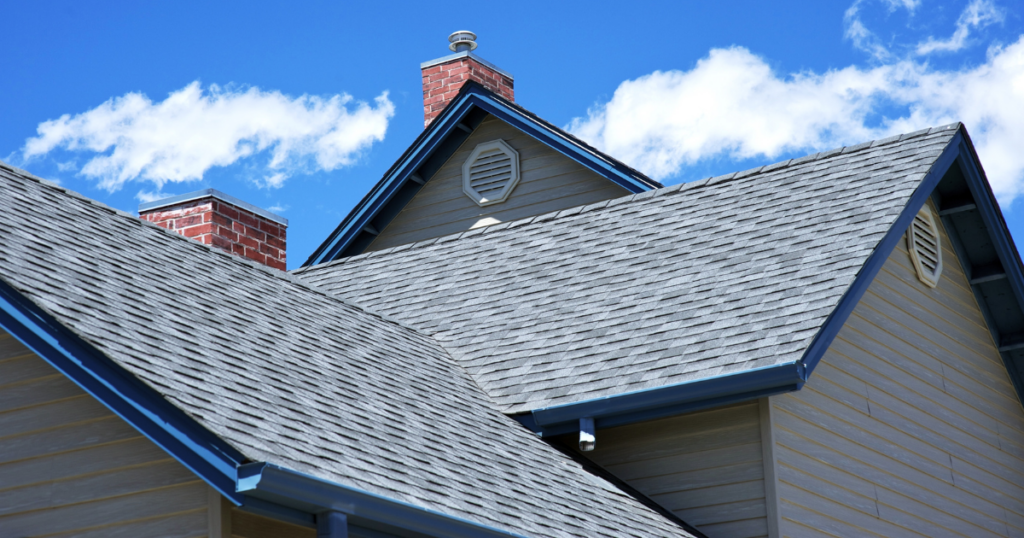
Pros: Asphalt shingles are the most popular roofing material due to their affordability, ease of installation, and wide range of styles and colors. They are also lightweight and suit a variety of architectural styles.
They require minimal maintenance, making them a convenient choice for homeowners who want a roofing material that doesn’t demand constant attention.
Many asphalt shingles are manufactured with fire-resistant properties, adding an extra layer of safety to homes.
They are suitable for most roof pitches and are one of the easiest roofing materials to install, making them a popular choice for DIY projects.
Cons: They have a shorter lifespan compared to other materials and are prone to wind uplift. They also contribute less to insulation and aren’t the most eco-friendly option.
Standard asphalt shingles are not recyclable and contribute to landfill waste. However, advancements like cool-roof technology offer more energy-efficient and eco-friendly options.
While they are generally durable, the impact of hailstones leads to indentations on the surface of the shingles.
Metal Roofing
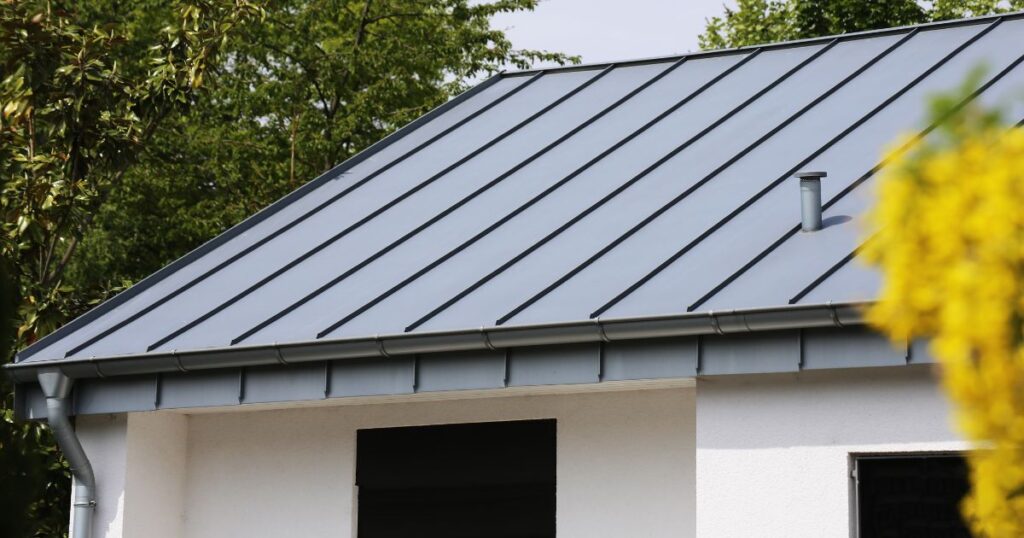
Pros: Metal roofs are highly durable, fire-resistant, and energy-efficient, making them a choice that’s growing in popularity. They last up to 50 years or more, reflecting solar radiant heat and reducing cooling costs. They’re also lightweight and recyclable.
Cons: The initial cost is higher than that of asphalt shingles. They can be noisy during rain or hail and may dent from impact.
Metal roofs come in various types, including steel, aluminum, and copper. They can also be fashioned in styles that mimic tiles or shingles.
Concerns about noise can be mitigated by adding additional insulation during installation, reducing the impact of rain or hail.
Climate
The local climate plays a significant role in material choice. For example, metal roofs are excellent for snowy regions due to their snow-shedding capabilities, while clay tiles are ideal in hot, dry climates.
Home Value
Selecting the right roofing material notably increases the resale value of your home. Prospective buyers are drawn to materials such as slate, metal, or solar roofing thanks to their extended lifespan, visual appeal, and energy-efficient qualities.
Clay and Concrete Tiles
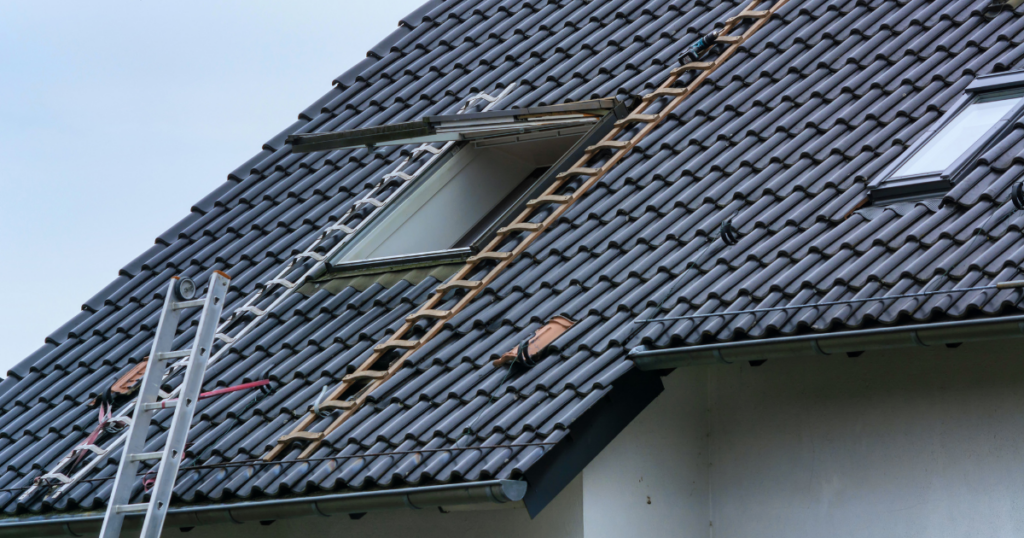
Pros: These tiles offer a unique aesthetic, ideal for Spanish, Mediterranean, or Southwestern-style homes. They are extremely durable, non-combustible, and offer good insulation.
Cons: They are heavy, requiring reinforced roof framing and are more expensive. They can also be brittle and prone to breaking under impact.
These tiles retain their color well over time, even under constant exposure to the sun.
Though durable, if a tile does break, it’s replaced individually, which makes for easier repair work compared to other materials.
Roof Slope
Certain materials, like slate and tiles, are only suitable for steeper slopes, while others, such as metal and asphalt shingles, are used on various slopes.
Slate Roofing
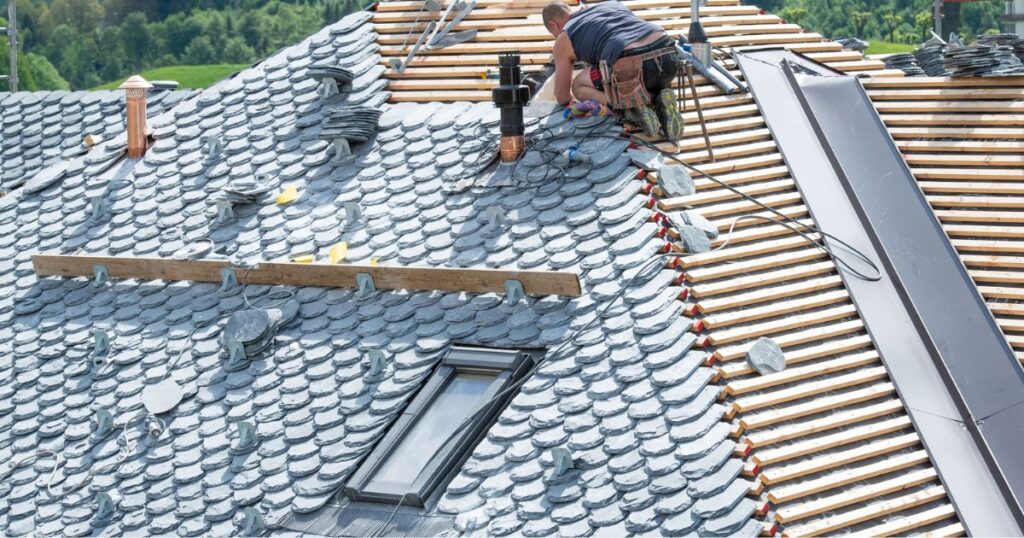
Pros: Slate is one of the most durable roofing materials with a lifespan of 100 years or more. It’s naturally beautiful, fire-resistant, and eco-friendly, being made from natural stone.
Cons: Slate is heavy, expensive, and requires professional installation. It’s also brittle and can break if walked on.
Homes must be evaluated structurally before installing slate, as not all can support its weight.
Slate’s longevity often makes it a once-in-a-lifetime installation, outliving the buildings on which they are installed.
Insurance
Some roofing materials, like metal and slate, lower insurance premiums due to their durability and fire resistance.
Home Value
The right roofing material significantly enhances the resale value of your home. Materials like slate, metal, and solar roofing are appealing to prospective buyers due to their longevity, aesthetic appeal, and energy efficiency.
Wood Shingles and Shakes
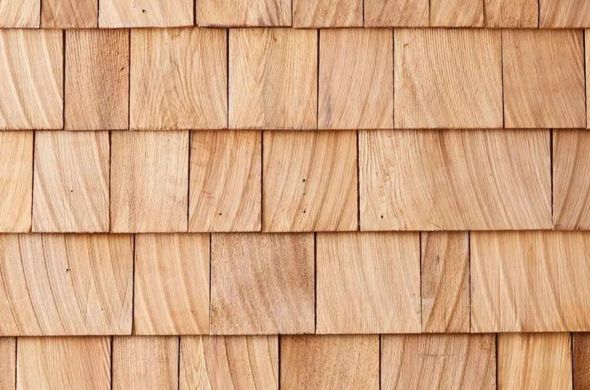
Pros: Wood shingles and shakes offer a natural, rustic look and blend well with the environment. They provide good insulation and can be treated for added fire resistance.
Over time, wood shingles develop a distinct, weathered look that is highly prized for its natural appearance.
Cons: They require regular maintenance to prevent rot, mold, and insect infestation. They’re less fire-resistant than other materials and have a shorter lifespan.
In fire-prone areas, it’s essential to use shingles treated with fire retardant for added safety.
Synthetic Roofing
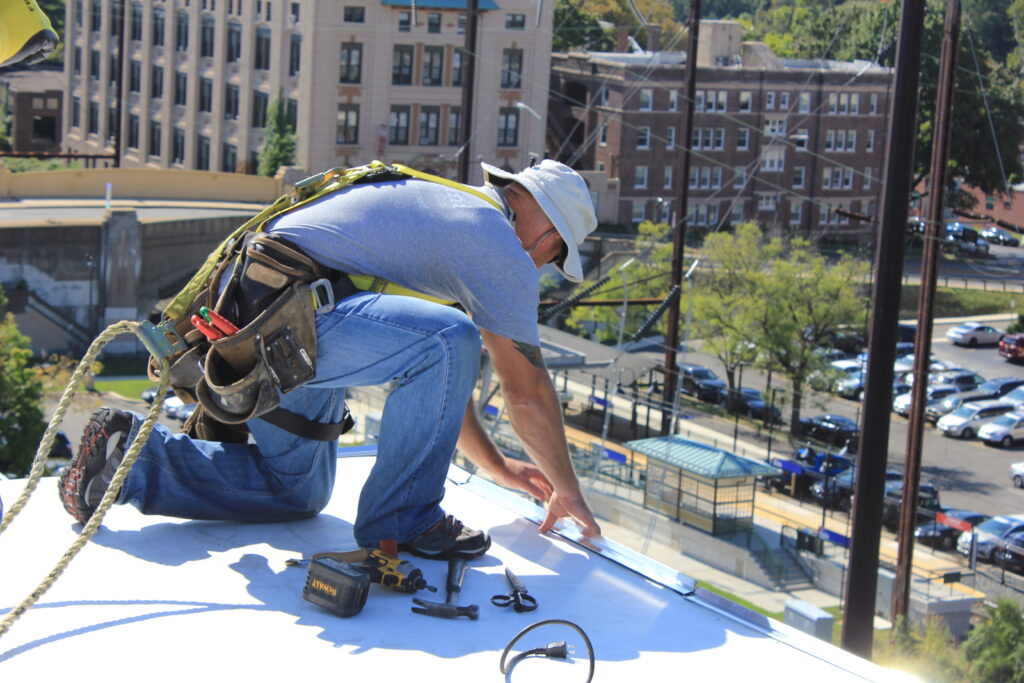
Pros: Synthetic roofing materials, such as rubber, plastic, and polymer, can be engineered to mimic the look of natural materials. They are lightweight, durable, and often more affordable.
Cons: The quality varies significantly between manufacturers, and they haven’t been on the market long enough to fully understand their longevity.
As technology advances, synthetic roofing materials are continually improving in durability, appearance, and environmental impact.
Many synthetic roofing options come with extended warranties, reflecting their expected longevity and durability.
Solar Roofing
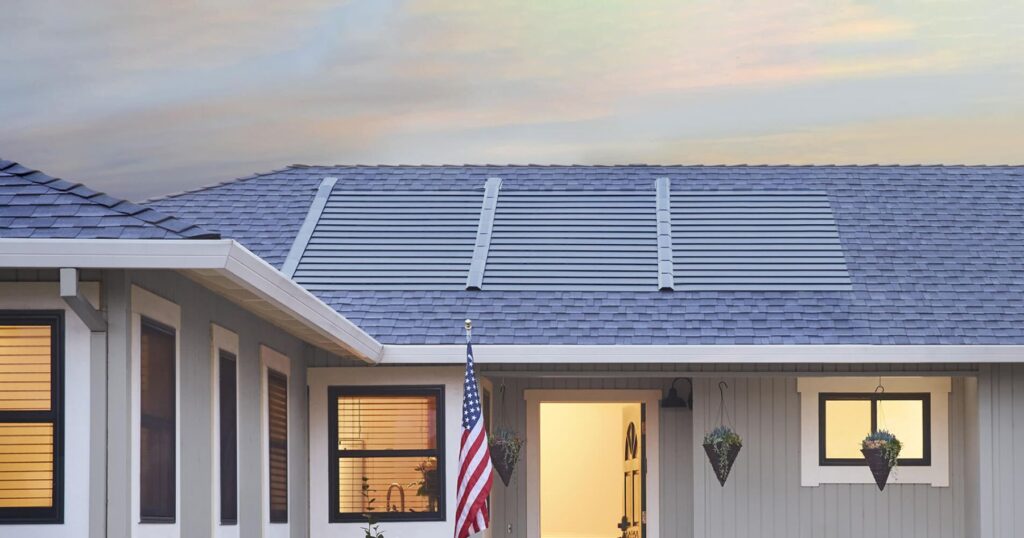
Pros: Solar roofs generate electricity, reducing your energy bills. By harnessing solar power, they reduce dependence on fossil fuels and lower their carbon footprints. Modern solar shingles and tiles are designed to blend seamlessly with traditional roofing materials, offering a sleek and attractive appearance.
Cons: The initial installation cost is higher than that of traditional roofing materials, though this can be offset by long-term energy savings. Installing solar roofing requires skilled professionals with expertise in both roofing and solar energy systems.
The efficiency of solar roofing depends on your location, roof orientation, and local weather conditions.
Solar roofing is a revolutionary advancement in roofing materials, combining the protective qualities of traditional roofing with the ability to generate renewable energy.
Solar Roofing Specifics
Not all homes are suitable for solar roofing. Factors such as the roof’s orientation, angle, and structural integrity play crucial roles in determining feasibility.
Solar roofs require maintenance to ensure the solar panels remain efficient and unobstructed. While solar elements have a long lifespan, it’s important to understand the maintenance needs and warranty coverage.
Energy Incentives
Solar roofing leads to significant savings on energy bills, especially in regions with high sunlight exposure.
Many regions offer tax incentives, rebates, or credits for installing solar roofing, making it a financially attractive option.
Home Value
Choosing the appropriate roofing material can greatly boost your home’s resale value. Options such as slate, metal, and solar roofing are highly attractive to potential buyers, offering benefits like long-lasting durability, visual appeal, and energy-saving features.
Architectural Harmony
Your choice of roofing material should harmonize not just with your home’s architecture but also with the neighborhood’s character, especially in historic districts.
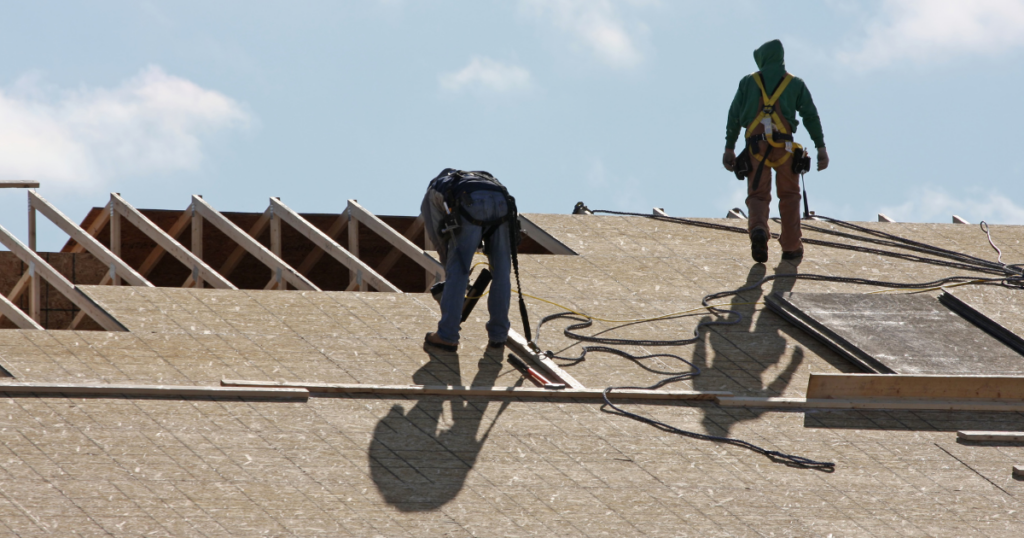
Professional Installation
The success of your new roof hinges not just on the material you choose, but critically on the quality of its installation. Professional installation is key to unlocking the full potential of your roofing material, offering several vital benefits:
- Enhanced Longevity: Expert installation ensures that your roof is set up for maximum durability, effectively extending its lifespan.
- Safety and Standards Compliance: Professional roofers adhere to strict safety guidelines and building codes, providing a secure and compliant roofing solution.
- Optimal Performance: Correct installation techniques are crucial for the roof to perform as intended, especially in terms of weather resistance and insulation.
- Peace of Mind: Knowing your roof is professionally installed gives you confidence in its ability to protect your home.
A professionally installed roof not only looks better but also provides superior protection and lasts longer, making it a wise investment for any homeowner.
GP Martini Roofing Has Every Material You Need
Selecting the right roofing material depends on a balance of factors, including budget, style, climate, and long-term maintenance.
Each material has its unique attributes and limitations.
At GP Martini Roofing, we’ll help you choose the material that’s right for you and your home.
We pride ourselves on efficiency and quality.
Request an estimate with us today!
FAQs
What is the most durable roofing material?
Slate is widely acclaimed as the epitome of durability in roofing materials and is renowned for its longevity, which often extends beyond 100 years. Its natural resilience makes it a preferred choice among homeowners seeking enduring protection. In addition to slate, metal roofing, and clay tiles also stand out for their durability.
What type of roof lasts the longest?
When it comes to longevity in roofing, slate takes the crown with an extraordinary lifespan that frequently exceeds a century. Following closely in the ranks of enduring roofing solutions are clay and concrete tiles, along with metal roofs, all of which share the distinction of providing impressive longevity.
What is the most efficient roofing material?
Metal roofing emerges as a beacon of efficiency in the realm of roofing materials, thanks to its remarkable ability to reflect solar radiant heat. This unique characteristic not only enhances energy efficiency but also translates into tangible cost savings by reducing cooling expenses.
Which type of roofing material is best?
Slate reigns supreme as the choice for the title of the best roofing material, owing to its exceptional durability that extends beyond 100 years. The inherent strength of slate makes it a favorite among homeowners seeking a roofing solution that stands the test of time. Additionally, metal and clay tiles are known for their enduring qualities and aesthetic appeal.
What is the cheapest and longest-lasting roof?
Asphalt shingles have emerged as the undisputed champion in the intersection of cost-effectiveness and longevity when it comes to roofing materials. While not reaching the pinnacle of durability offered by slate, asphalt shingles strike a harmonious balance, providing homeowners with a cost-efficient solution that boasts a commendable lifespan.