Practical Tips for Safely Clearing Roof Debris
What You’ll Learn
How can you safely clear debris from your roof without causing damage or risking injury?
Safe debris removal depends on proper tools, careful techniques, and key safety precautions that protect both your roof and yourself.
Debris could be a sign of deeper issues, and removing it can help prevent costly damage and extend your roof’s lifespan.
In This Blog:
A wicked storm blew through last night.
Your windows were pelted with rain.
It left piles of leaves in your gutters and sticks strewn across your roof.
Your honey-do list just got longer cause now you have to clean the roof off.
Keep reading to learn how to do so safely and efficiently or if you need to call in the professionals.
Why Clearing Roof Debris Matters
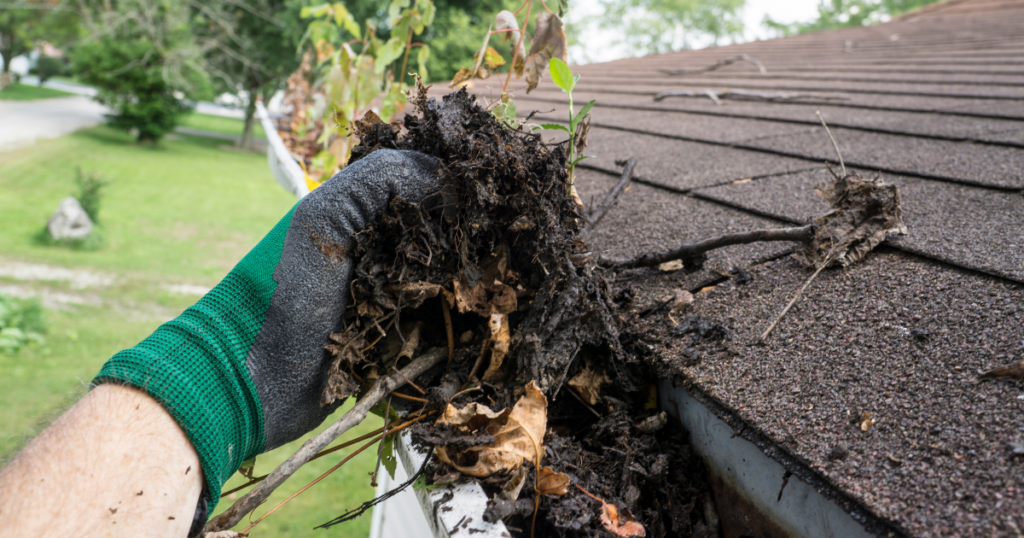
Debris buildup on a roof might not seem like a big deal initially, but it can cause significant issues over time.
When leaves and debris clog your gutters, proper drainage is disrupted, leading to water pooling on your roof or overflowing near your foundation.
Wet leaves and branches pressed against shingles can trap moisture, which accelerates wear and tear.
Meanwhile, piles of debris often attract unwanted pests like rodents, birds, and insects looking for shelter.
Clearing debris is about more than just improving curb appeal—it’s a proactive step to protect your home from damage and extend the life of your roofing system.
Essential Safety Precautions Before Cleaning
Working on a roof comes with inherent risks, so safety must be a top priority. Follow these precautions before starting:
Check Weather Conditions
Never attempt to clean your roof on a windy, rainy, or icy day.
Wet shingles are slippery, and unpredictable weather increases the chance of accidents.
A dry, mild day is ideal for roof work.
Use Proper Safety Gear
- Non-Slip Footwear: Choose shoes or boots with excellent grip.
- Safety Harness: If working on steep or high roofs, wear a safety harness attached to an anchor point.
- Helmet and Gloves: Protect your head from falling debris and wear gloves to avoid cuts.
Use a Sturdy Ladder
Use a ladder with stabilizers and make sure it’s set on solid, level ground.
Always maintain three points of contact when climbing (two hands and one foot, or two feet and one hand).
Know Your Limits
If you have a steep pitch, aging shingles, or feel unsure about your balance, don’t take unnecessary risks—professional help is your safest option.
Tools for Safely Clearing Roof Debris
Having the right tools makes the job safer and more effective. Here are the essentials:
Roof Rake
A roof rake with a telescoping handle allows you to clear leaves, pine needles, and light debris from the ground.
Look for models with soft, non-abrasive heads to prevent shingle damage.
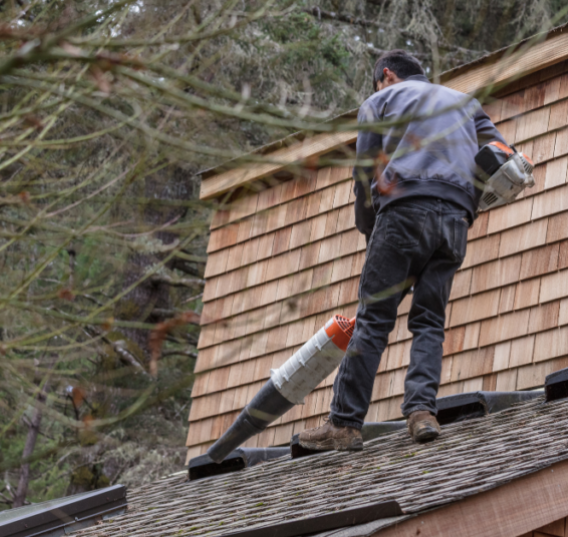
Leaf Blower
A cordless, lightweight leaf blower is great for dry debris.
Keep the blower on a low setting to avoid damaging shingles or sending debris into gutters.
Gutter Scoop and Bucket
For manual removal of debris, use a plastic scoop to avoid scraping your gutters.
A bucket or trash bag attached to the ladder makes cleanup easier.
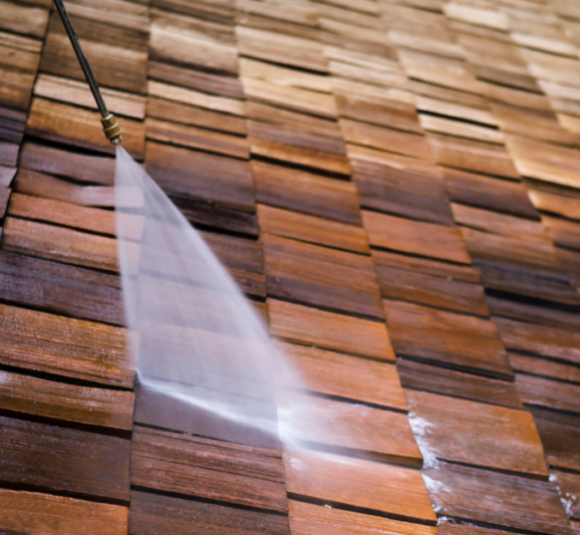
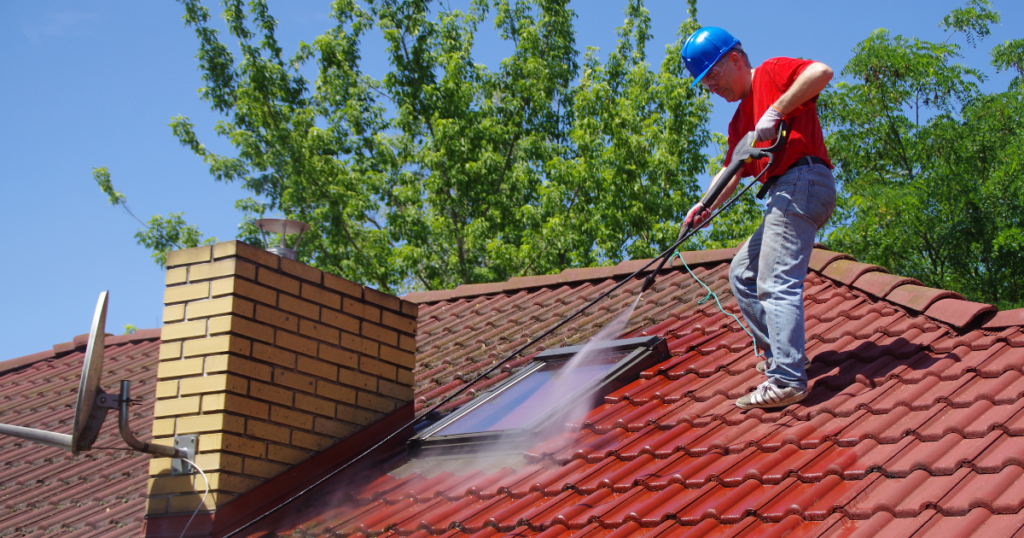
Pressure Washer (Low-Pressure Setting)
Use extreme caution here.
A low-pressure rinse can remove stubborn grime or moss, but too much force will damage shingles.
Avoid power washers unless you’re experienced with their use.
Soft-Bristle Broom
A soft broom can gently sweep off debris without causing shingle granule loss.
Avoid anything with stiff bristles.
Techniques for Safely Clearing Roof Debris
Using safe techniques is just as important as the tools themselves. Here’s how to clear roof debris properly:
Start from the Top
Always begin cleaning near the ridge (top) of the roof and work your way down.
This ensures that loosened debris doesn’t pile up where you’ve already cleaned.
Blow Debris Downward
If using a leaf blower, angle the nozzle downward to avoid lifting shingles.
Work in gentle sweeping motions.
Avoid Walking on the Roof When Possible
Every step on your roof increases the chance of damaging shingles or compromising the roof’s structure.
Use a roof rake or long-handled tools to minimize time spent on the roof.
Clear the Gutters
Debris removal is incomplete without clean gutters.
Scoop out leaves, rinse with a garden hose, and ensure downspouts are clear.
Watch for Roof Damage
While cleaning, inspect for cracked or missing shingles, soft spots, or signs of water damage.
Early detection can save you money on major repairs.
Bag and Remove Debris Properly
Don’t leave debris scattered around the roof edges—it can blow back onto the roof or into gutters during the next storm.
Preventing Future Debris Buildup
The best way to keep your roof clear is to prevent debris from piling up in the first place. Here are a few proactive steps:
Trim Overhanging Branches
Trees near your roof drop leaves, branches, and sap, increasing the need for cleaning.
Trim branches to reduce debris and prevent damage from storms.
Install Gutter Guards
Gutter guards prevent leaves and debris from clogging your gutters while still allowing water to flow freely.
Schedule Regular Inspections
Have your roof inspected at least once a year, especially before winter.
A professional can remove debris, check for damage, and make necessary repairs.
Clean After Major Storms
Pennsylvania winters and summer thunderstorms can leave significant debris behind.
Clean up after big storms to prevent long-term damage.
Keep Nearby Trees Healthy
Weak or dead trees shed more debris and pose a falling hazard.
Routine tree maintenance can minimize these risks.
When to Call a Professional Roofing Contractor
While DIY roof cleaning can be effective for small debris jobs, there are times when professional help is the better choice.
If you feel unsafe on roofs, never climb a ladder to DIY.
Roofing professionals are the way to go when it comes to:
- Steep or High Roofs: Homes with steep-pitched roofs are too dangerous for homeowners to navigate without proper equipment and training.
- Significant Debris Accumulation: If your roof is covered with thick layers of leaves, branches, or moss, professionals have the tools and expertise to handle it efficiently.
- Aging or Damaged Roofs: Old shingles can be fragile, and stepping in the wrong spot may cause further damage. Roofers know how to clear debris without compromising the structure.
- Moss, Algae, or Mold Growth: These stubborn growths require specialized cleaning techniques to prevent regrowth and shingle damage.
- Time Constraints: Let’s be honest—roof cleaning is time-consuming. Hiring professionals ensures a thorough job without sacrificing your safety or weekend.
Benefits of Professional Roof Cleaning
Professional roof cleaning services, like those provided by local experts in Chester County, offer more than just convenience.
They climb the ladders so you don’t have to.
They bring:
- Expert Tools and Techniques: Roofers use advanced equipment like low-pressure washers, eco-friendly treatments, and debris removal tools that won’t harm your roof.
- Damage Prevention: Pros know how to clean without compromising shingles, flashing, or gutters.
- Safety Assurance: Roofing contractors are trained and insured to handle roof work safely, saving homeowners from the risks of falls or injuries.
- Early Detection of Issues: While clearing debris, professionals inspect for signs of damage, leaks, or wear that may require repairs.
- Long-Term Results: Thorough, professional cleaning helps extend the lifespan of your roof, saving money in the long run.
Let Us Climb the Ladders
Keeping your roof clear of debris isn’t just about aesthetics—it’s about protecting your investment.
If you’re uncomfortable on a roof, but your roof needs a thorough cleaning, or you’ve spotted signs of damage during debris removal, don’t hesitate to call in the professionals.
GP Martini Roofing offers safe, reliable cleaning and inspection services to keep your roof in top shape year-round.
Contact GP Martini Roofing today for a free estimate.

FAQs
How often should I clean my roof?
Roofs should be cleaned at least once or twice a year, depending on the amount of nearby trees and debris accumulation.
After major storms, a quick cleanup is also recommended.
Can roof cleaning damage shingles?
Can roof cleaning damage shingles?
Using high-pressure washers or harsh tools can strip shingles of their protective granules.
Always use soft, non-abrasive tools or hire professionals.
What are the signs that my roof needs professional cleaning?
Thick layers of debris, moss or algae growth, visible stains, or clogged gutters are clear signs that your roof needs a thorough cleaning.
Is it safe to clean my roof myself?
DIY cleaning is safe for low-pitched roofs if you follow all safety precautions.
However, steep or high roofs should be left to professionals to avoid injury.
How much does professional roof cleaning cost?
Costs vary depending on roof size, pitch, and debris level.
In Chester County, professional cleaning typically ranges between $200 and $600.