Roofing Emergency: What to Do Immediately & When to Wait Until Morning
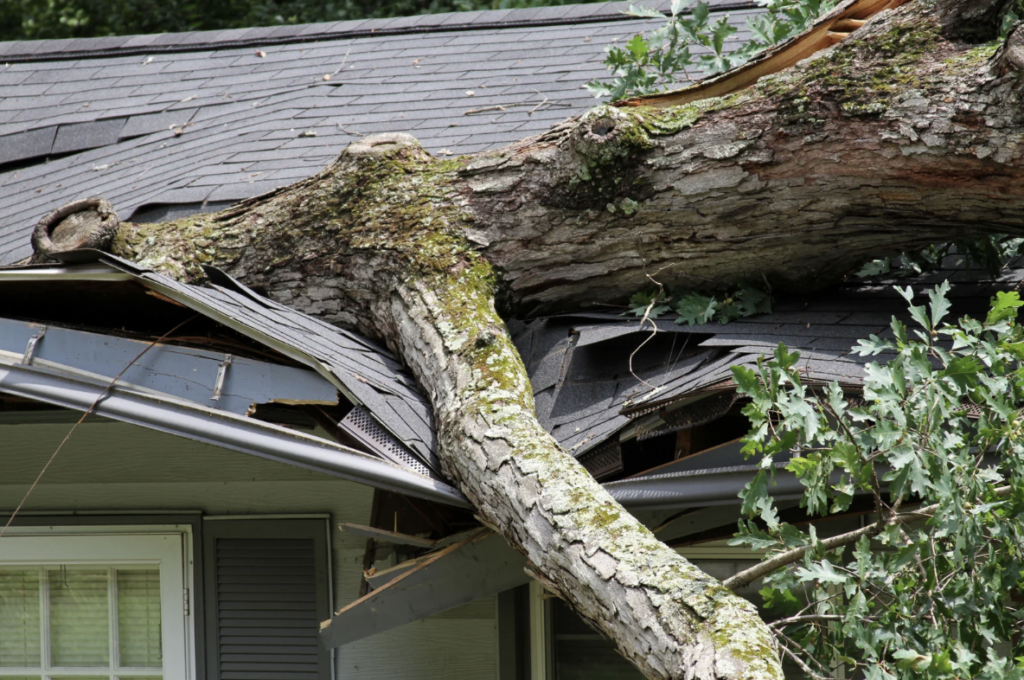
An unwelcome guest in your attic…
…Because you didn’t remove that overhanging tree trunk of a branch.
You need to get buckets to catch the water coming through your ceiling, STAT.
Or should you call the emergency roofer first?
This blog will give you expert advice on what steps to take and when to contact emergency roofing services.
Here’s everything you need to know:
- What to Do Immediately: Safety First!
- When You Can Wait Until Morning
- When to Call for Emergency Roofing Services
- How to Prevent Future Roofing Emergencies
What to Do Immediately: Safety First!
During a roofing emergency, your primary focus should be on the safety of your family and home.
Before rushing to make repairs yourself, take these safety steps:
Assess the Situation from the Ground
Never climb onto a damaged roof, especially during a storm or in the dark.
Assess the damage from the ground using a flashlight or by peeking through an attic window.
Trying to climb on a roof while it’s wet or stormy is extremely dangerous.
Clear the Area Inside Your Home
If you’ve got a leak or any sign of water coming through the ceiling, move furniture, electronics, and valuables out of harm’s way.
Put a bucket or another container under the leak to catch the water and minimize damage to your floors.
Spread towels or tarps over large areas if the leak is significant.
Turn Off the Power If Necessary
If water is leaking near electrical fixtures, turn off the power in that area immediately.
Water and electricity are a dangerous combination, and it’s better to be safe than sorry.
Temporary Fixes
If you have the materials on hand, it’s safe to do so, and within your comfort level, you can attempt temporary fixes, such as:
- Using a tarp to cover a hole or missing shingles.
- Applying roofing tape or sealant to stop a small leak until the professionals arrive.
Remember, these are only temporary solutions. Call a roofing professional to make permanent repairs.
When You Can Wait Until Morning
Not every roofing issue requires a middle-of-the-night call to emergency services.
Here’s how to determine whether you can wait until daylight:
Small Leaks
A small, slow drip can usually be managed with buckets and towels until the morning.
As long as the leak isn’t near electrical outlets or appliances, it’s generally safe to wait for daylight to deal with it.
A Few Missing Shingles
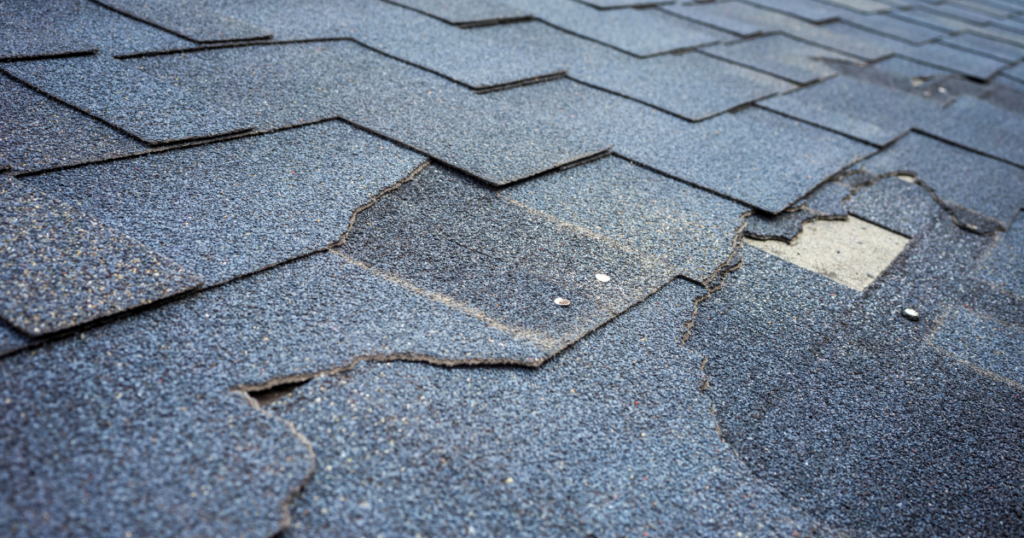
If a few shingles are missing but there’s no immediate threat of water intrusion, you can likely wait until morning to address the issue.
Minor Tree Branches
If a small tree branch has landed on your roof without causing visible damage or penetrating the roof, it’s usually safe to wait until morning to have it inspected and removed.
But always err on the side of caution if the branch is large or hanging precariously.
When to Call for Emergency Roofing Services
If any of the following situations apply, it’s time to call emergency roofing services immediately—regardless of the time of day or night:
Water Is Actively Entering Your Home
If there’s water pouring in through your ceiling, walls, or attic, don’t wait.
Water is entering your ceiling, walls, or attic at a steady rate—more than a gallon of water per hour is a serious issue.
It creeps through your home and into every crack and crevice. This leads to damage to your home’s structural integrity and, if not addressed, mold growth.
Contact emergency roofing services immediately to stop the flow of water and minimize damage.
Visible Severe Roof Damage
If a large portion of your roof is damaged or blown off, your home is fully exposed to the elements.
This could be…
- Holes larger than 2-3 inches
- 10 or more missing shingles
- Gap where flashing has been displaced
Whether it’s rain, wind, or snow, these conditions can cause rapid and significant damage to your home. Don’t wait to address the issue—call for help immediately.
Tree Branches or Debris Creating Dangerous Conditions
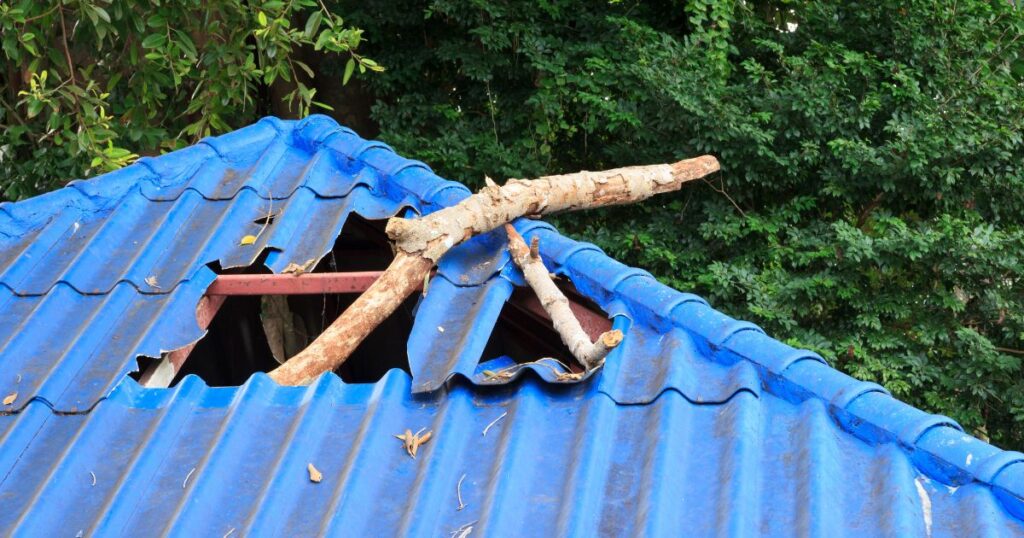
If a tree branch larger than 6 inches in diameter or heavy debris lands on your roof, it could cause significant structural damage.
Even if no immediate damage is visible, the weight of the debris can stress the roof’s joists and trusses.
If not moved, you could end up with a tree branch inside your home.
When debris is heavy or dangerous to remove, call for emergency assistance to safely remove the debris and repair any damage.
Fire Risks
Any roofing issue near electrical systems—such as exposed wiring, damaged chimney flashing, or leaks near light fixtures—can create a fire risk.
If water is leaking near electrical outlets or appliances, turn off the power to that area immediately and contact emergency roofing services.
This is especially true if you see sparks, smoke, or smell burning.
How to Prevent Future Roofing Emergencies
While you can’t prevent every roofing emergency, regular maintenance goes a long way in reducing the likelihood of disasters.
Here’s what you should do:
- Regular Inspections: Have your roof inspected at least once a year—especially after severe weather to help spot potential issues before they become costly problems.
- Keep Trees Trimmed: Overhanging tree branches are a significant cause of roofing damage—keep them trimmed back to prevent them from falling on your roof during storms.
- Clear Gutters and Downspouts: Make sure your gutters are free from debris to allow water to flow freely away from your roof.
- Replace Old Roofing Materials: If your roof is nearing the end of its lifespan, consider replacing it before major problems arise.
Your Roofing Partner Before AND After an Emergency
In a roofing emergency, acting quickly can save you from more significant headaches (and costs) down the line.
Whether you’re facing storm damage, leaks, or fallen debris, following these steps will help keep your home and family safe until the professionals arrive.
Remember, you don’t have to face a roofing crisis alone—GP Martini Roofing has your back and is just a phone call away.
Contact us today for a free estimate and ensure your roof is ready to face whatever Mother Nature throws your way!

FAQs
What should be done if a tree branch falls on my roof?
Assess the situation from the ground, ensure no one is in immediate danger, and avoid climbing on the roof.
If the branch is large or causes damage, call a roofing professional for removal and repairs.
How can I, as a homeowner, temporarily stop a roof leak?
To temporarily stop a leak:
- Cover the exterior roof with a tarp if it is safe to do so
- Place buckets under the leak inside the house
Make sure to move any valuables out of the way of the water and contact a professional for permanent repairs.
Is it safe to inspect roof damage at night?
No. Avoid climbing onto the roof during the night or during storms.
Assess the damage from the ground using a flashlight or binoculars, then call for professional help if needed.
When is it okay to wait until morning for roof repairs?
If the damage is minor, such as a few missing shingles or a small, slow leak, it can typically wait until morning.
Anything worse requires immediate attention.
How can homeowners prevent roofing emergencies?
Regular roof inspections, trimming tree branches, and keeping gutters clear can help prevent roofing emergencies.
Replacing aging roofing materials and scheduling professional maintenance also reduces the risk of sudden damage.