Hurricane Roof Maintenance: How to Prepare, Inspect & Repair
What You’ll Learn
What does hurricane roof maintenance involve before and after a storm?
Hurricane roof maintenance includes preparing your roof before a storm by inspecting for damage, securing weak areas, clearing debris, and inspecting, repairing, and preventing further damage after the storm passes.
In This Blog:
Hurricane season means high winds and inches upon inches of rain for Chester County.
You don’t need a repeat of last storm season.
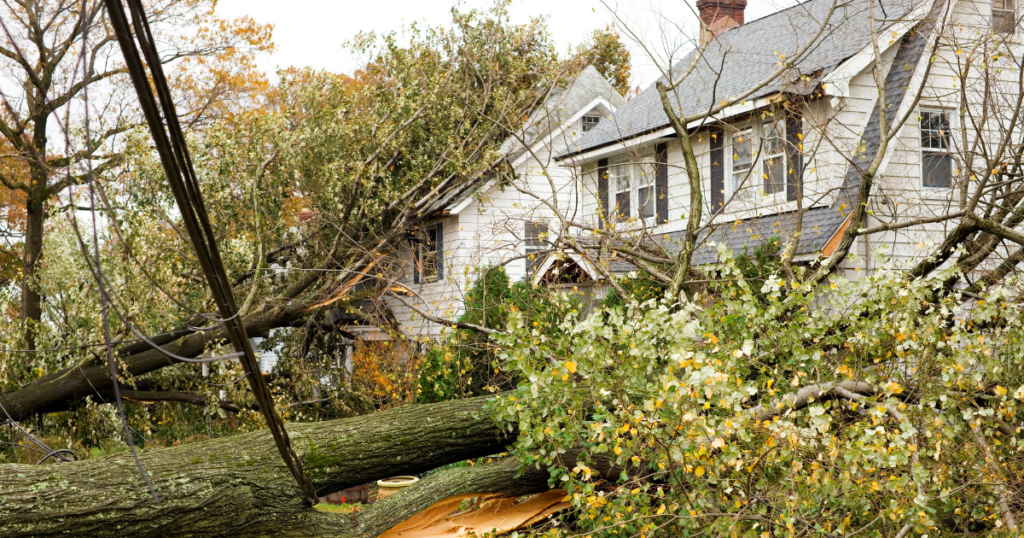
It knocked a limb onto your patio roof and left you with a mysterious leak in one of your outer walls.
This year, it’s time to prepare your home for storms before the milk and bread run.
After it’s blown through, recover from hurricanes efficiently and effectively to keep your home and family safe.
This blog will guide you through essential steps to prepare your home before a hurricane, what repairs to prioritize, and crucial tasks to undertake post-storm.
At a Glance: What You Need to Do…
Pre-Hurricane Preparation
- Schedule Roof Inspection and Maintenance
- Clean Gutters and Downspouts
- Trim Trees and Shrubs
- Check and Seal Cracks and Openings
- Secure Doors and Windows
- Review Insurance Coverage
Post-Hurricane Cleanup
- Prioritize Safety First
- Conduct Initial Assessment
- Check Gutters and Downspouts
- Prevent Water Damage and Mold
- Schedule Roof Inspection and Repairs
- Schedule Electrical System Inspection
- Schedule Structural Inspection
- File Insurance Claims
Pre-Hurricane Preparation
Hurricane preparation in and around Chester County should be finished and done before the season starts.
Since our area sees the strong storms that result from the hurricane and not the hurricane itself, you want to focus on maintenance best practices.
This makes sure your home doesn’t suffer avoidable damage when the winds pick up, rain blows sideways, and trees start shaking.
1. Schedule Roof Inspection and Maintenance
Your roof is your home’s first line of defense against hurricanes.
Schedule a professional roof inspection to identify any damage that needs repair or weak spots that need reinforcement.
Common necessary repairs:
- Shingle Replacement: Replace any missing or damaged shingles to prevent leaks.
- Flashing Repair: Ensure all flashing is secure to protect against water intrusion.
- Gutter Maintenance: Clean and repair gutters to ensure proper drainage.
- Attic Inspection: Check for signs of leaks or damage and address them promptly.
2. Clean Gutters and Downspouts
Ensure your gutters and downspouts are clear of debris.
Clogged gutters can lead to water overflow, damaging your roof and home’s foundation.
If you’re not comfortable doing it yourself, call in a professional to clean and inspect your gutters.
3. Trim Trees and Shrubs
Trim any tree branches that are overhanging or close to your home.
Strong winds can cause branches to break and damage your roof or windows.
4. Check and Seal Cracks and Openings
Inspect your home for any cracks or openings in walls, doors, and windows.
Sealing these gaps can prevent water from entering your home and causing extensive damage.
Use weatherproof caulking or sealant to fill in any cracks or gaps, and consider installing weather stripping on doors and windows for added protection.
5. Secure Doors and Windows
Ensure all doors are properly secured with robust locks and hinges.
If newscasters are warning that the hurricane is set to go farther inland than usual, now’s the time to step up preparation and install storm shutters or use plywood to cover windows and doors.
This prevents debris from breaking the glass and causing further damage inside your home.
6. Review Insurance Coverage
Review your homeowner’s insurance policy to understand what is covered in case of hurricane damage.
Look for the “Act of God” clause that covers events outside of human control such as a natural disaster.
Ensure you have adequate coverage for roof repairs and other potential damages.
Post-Hurricane Cleanup
The storm has blown through with high winds and inches upon inches of rainwater.
Now’s the time to assess if there is damage and start the cleanup process.
Since this is a comprehensive list of all possible avenues, not all of these steps will apply to your home.
NOTE: Never get on a roof after a storm unless you have the proper experience and equipment if you have any reason to suspect structural weakening or damage.
1. Prioritize Safety First
After the storm has passed:
- Ensure your family’s safety before inspecting your home.
- Avoid downed power lines and report them to the utility company immediately.
- Wear protective gear like gloves and boots while assessing damage.
If at any point you get out of your comfort zone, call in a professional to take over.
2. Conduct Initial Assessment
Conduct a thorough inspection of your property, documenting any damage with photos and videos for insurance claims.
- Roof: Look for missing shingles, visible holes, or sagging areas.
- Windows and Doors: Check for broken glass, damaged frames, and any water ingress.
- Structure: Inspect the overall structure of your home, including walls and foundations, for any visible damage or shifts.
3. Prevent Water Damage and Mold
Address any water damage immediately to prevent mold growth. Leaks are the #1 most common roof problem.
- Identify Leaks: Look for water stains, bubbling on ceilings or walls, indicating leaks. Use buckets or towels to soak up excess water, and call a professional to lay a tarp over vulnerable areas of your roof.
- Dry Out: Use dehumidifiers and fans to dry out affected areas thoroughly.
- Clean and Disinfect: Clean and disinfect any surfaces exposed to floodwaters to prevent mold and bacteria growth.
4. Check Gutters and Downspouts
Ensure gutters and downspouts are clear and functioning properly.
Remove any debris that may have accumulated during the storm.
Signs of gutter issues include water overflow, sagging, staining on siding, eroded landscaping, and basement flooding.
5. Schedule Roof Inspection and Repairs
If you suspect or can see damage like curled shingles, holes, warping, or leaks, call in a professional for a post-storm inspection.
The will:
- Look for Missing or Damaged Shingles: Replace any shingles that are missing or damaged.
- Inspect for Leaks: Check for water stains on ceilings or walls indicating leaks.
- Remove Debris: Remove any debris from the roof to prevent further damage.
6. Schedule Electrical System Inspection
Have a licensed electrician inspect your electrical systems if there is any indication of water damage or if you experienced power outages during the storm.
7. Schedule Structural Inspection
Call in a professional to inspect the structural integrity of your home.
They will look for:
- Foundation Cracks: Check for new or widening cracks in the foundation.
- Wall Damage: Look for signs of shifting or cracking in walls.
- Window and Door Frame Damage: Ensure frames have not shifted or cracked.
8. File Insurance Claims
File insurance claims as soon as possible. Provide detailed documentation of all damage and repairs and keep track of the paperwork, including:
- Professional Estimates: A roofing professional can provide a detailed estimate for roof repairs or replacements to support your claim.
- Claims Documentation: Keep a thorough record of all communications with your insurance company and contractors for future reference.
Be aware of and avoid the insurance storm chasers!
Contact GP Martini Roofing for an Estimate
Don’t wait until a hurricane is approaching Chester County to think about your roof.
Let us help you protect your home and ensure it’s ready for whatever the weather may bring.
Contact GP Martini Roofing today for a comprehensive inspection and estimate.

FAQs
How often should I have my roof inspected?
It’s recommended to have your roof inspected at least twice a year—once in the spring and once in the fall.
Additionally, schedule an inspection after any major storm or extreme weather event.
Regular inspections help identify minor issues before they become significant problems, ensuring your roof remains in good condition.
What should I do if I notice a leak in my roof?
Leaks are something you’ll have to look on the inside of your house for in order to identify problems on the outside.
Look for bubbling, staining, or puddles along walls, windows, doors, your foundation, and your attic.
If you notice a leak, it’s crucial to address it immediately.
First, try to contain the leak to minimize water damage inside your home by placing a bucket under the drip and covering your belongings.
Then, contact a professional roofer to inspect and repair the leak.
How can I tell if my roof has sustained damage after a hurricane?
After a hurricane, look for visible signs of damage, such as missing or loose shingles, dents or cracks in the roofing material, and debris on the roof
Inside your home, check for water stains on ceilings or walls, which indicate leaks.
Are there any specific roofing materials that are better suited for hurricane-prone areas?
Yes, certain roofing materials are more resilient to high winds and heavy rain.
Metal roofs, concrete or clay tiles, and impact-resistant shingles are excellent choices for hurricane-prone areas.
These materials provide better durability and protection against extreme weather conditions.
What steps can I take to maintain my roof and extend its lifespan?
Regular maintenance is key to extending the lifespan of your roof. Here are some tips:
- Clean Gutters: Ensure gutters and downspouts are clear of debris to prevent water buildup and damage.
- Trim Trees: Keep trees and branches trimmed away from your roof to prevent damage from falling limbs.
- Inspect Regularly: Schedule regular inspections to catch and repair minor issues before they escalate.
- Address Repairs Promptly: Don’t delay repairs, no matter how minor they seem.
- Proper Ventilation: Ensure your attic is properly ventilated to prevent heat and moisture buildup, which can damage your roof.