Don’t Make These 6 Mistakes When Hiring a Roofing Contractor
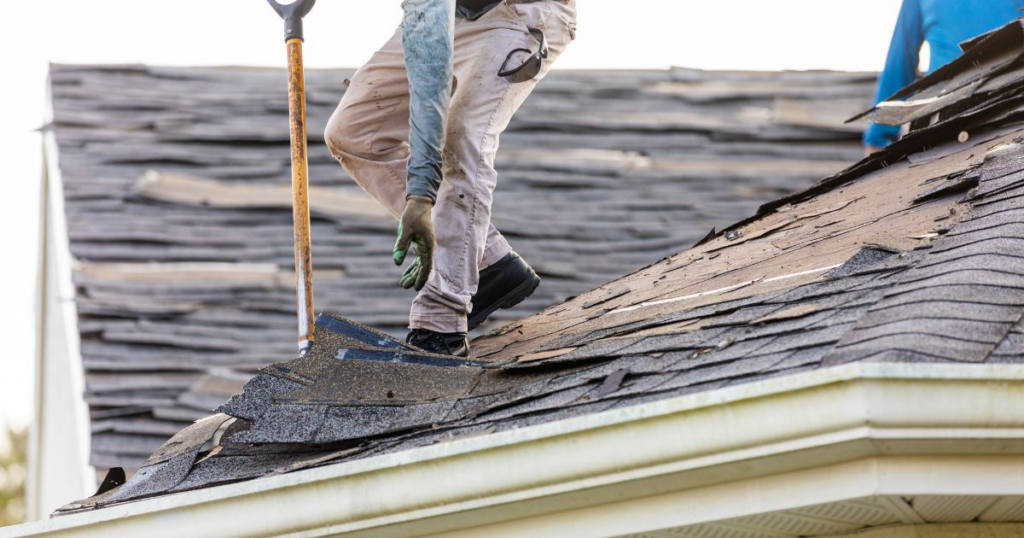
Your roof is ready to retire.
You’re thinking about getting a roof replacement, so you’re scouring the internet for information on the process, prices, and materials.
Don’t forget to make a pit stop at potential roofing contractors’ Google reviews!
A new roof isn’t just about selecting the right materials; it’s also about selecting the right roofer.
Here are six common mistakes to avoid when selecting a roofing contractor so that your roof can protect your home for years to come.
Avoid these 6 mistakes:
- Ignoring the Importance of Credentials
- Overlooking Red Flags Like High-Pressure Tactics and Poor Communication
- Getting Fewer Than Three Quotes
- Automatically Choosing the Lowest Bid
- Not Having a Detailed Contract
- Glossing Over Warranties
Ignoring the Importance of Credentials
Verifying a roofer’s credentials is a step that should never be overlooked.
Credentials assure that a contractor has undergone the necessary training and meets the professional standards required for roofing installation and repair.
They act as your trust signal, indicating that authoritative bodies or manufacturers have vetted and approved the contractor.
Local & State Licenses
Ensure that the contractor holds all necessary local and state licenses. This affirms that they meet the basic legal requirements to operate in your area.
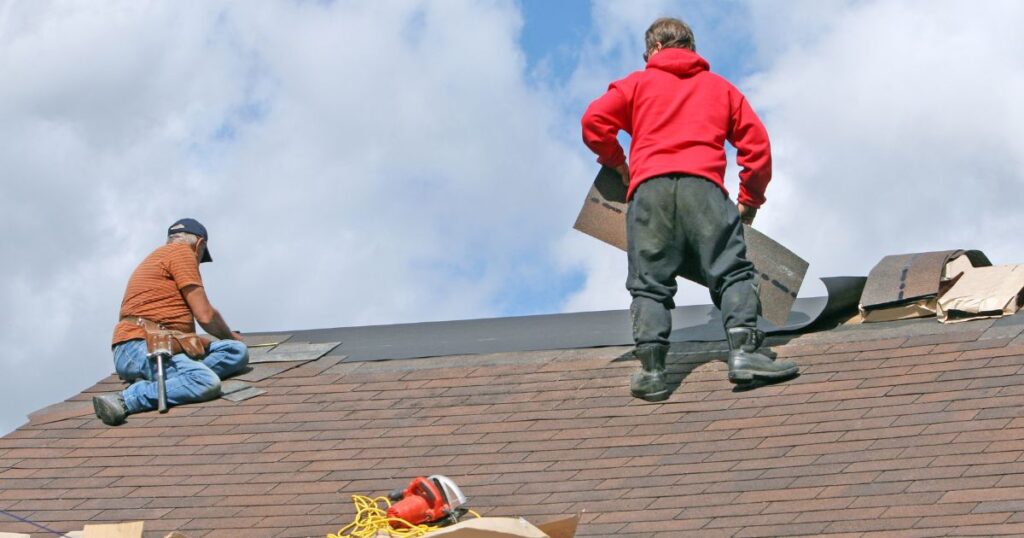
Insurance & Workers’ Compensation
Additionally, check for liability insurance and workers’ compensation coverage. This way, you’re protected against potential damages or injuries occurring on your property.
Manufacturer Certifications
Certifications from reputable roofing material manufacturers also provide an added layer of trust. These indicate that the roofer has been trained to adhere to the manufacturer’s installation best practices.
Always ask to see these documents. You might even consider confirming their validity with the issuing organizations.
Google Reviews
While credentials provide a formal assurance of a contractor’s capability and legitimacy, check Google reviews for peer-based, experiential insight into what working with a particular roofer is really like.
This diligence not only safeguards your investment but also ensures high-quality workmanship.
Overlooking Red Flags Like High-Pressure Tactics and Poor Communication
Being vigilant about red flags when hiring a roofer can save you from potential pitfalls.
Key warning signs include:
- poor communication
- vague or incomplete details during discussions
- high-pressure tactics
- requests for unusually large deposits upfront
- significantly lower estimates
A contractor who isn’t readily available or doesn’t respond promptly may not be reliable during the project.
Transparency about every aspect of the job keeps you and the contractor on the same page.
A reputable contractor gives you time to review the contract and will not rush your decision.
Typically, a deposit shouldn’t exceed 20% of the total project cost.
Alarm bells should also ring if an estimate is significantly lower than others. This could indicate that the roofer plans to use subpar materials or cut corners in other ways.
Always ask for a detailed breakdown of costs. Compare bids from several roofers to ensure you’re getting a fair and competitive price.
Getting Fewer Than Three Quotes
Securing at least three quotes from various contractors allows you to compare costs, materials, and services.
Here’s why it’s beneficial:
- Multiple estimates help you gauge the going rate for roofing services in your area, ensuring you’re not overpaying.
- You’ll see differences in warranty offers, timelines, and additional services like debris removal or gutter checks.
- Diverse bids allow you to assess the quality of materials each contractor plans to use, as well as their approach to installation.
- Armed with multiple quotes, you have the leverage to negotiate better terms.
Taking the time to get these quotes provides a clearer picture of what to expect for your investment.
By vetting your options, you can select a contractor who fits your budget and expectations.
Automatically Choosing the Lowest Bid
Choosing the lowest bid for your roofing project might seem budget-friendly.
But you need to approach such offers with caution.
A bid significantly lower than others may be a red flag for substandard materials or compromised workmanship.
Instead of focusing solely on cost, evaluate the overall value each contractor brings to the table.
A reputable contractor who charges more might also be offering:
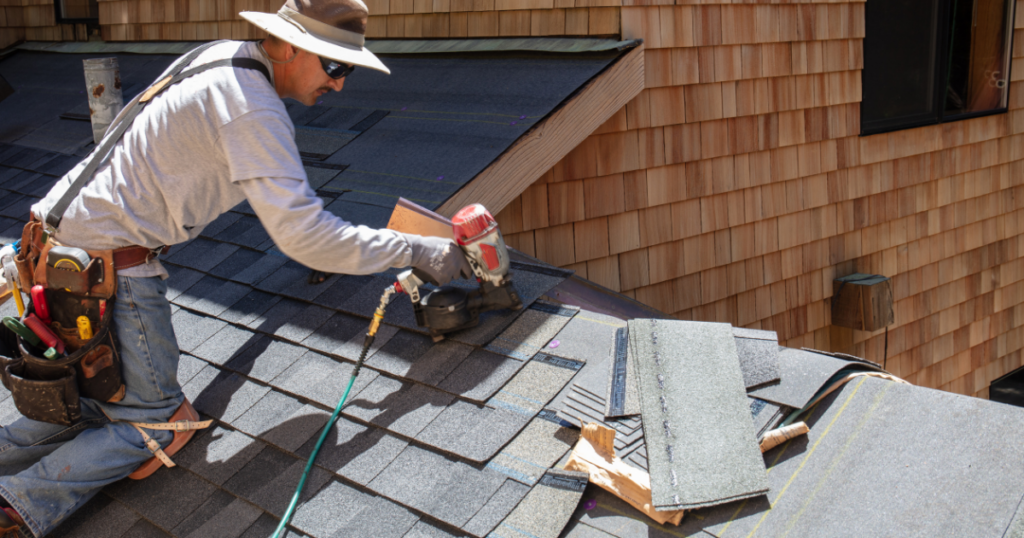
- higher quality materials
- more comprehensive warranty coverage
- better customer service
A higher initial investment potentially saves you from costly repairs down the line.
Always compare the specifics of what each bid includes. Weigh the long-term benefits against the upfront costs to make an informed decision.
Not Having a Detailed Contract
A detailed contract serves as your blueprint for what to expect throughout the project and safeguards against potential misunderstandings or disputes.
They usually include:
- Start and End Dates: Clear timelines keep the project on track and ensure both parties are aligned on expectations.
- Materials and Costs: Detailed descriptions of the materials to be used and a breakdown of all associated costs, including labor, help you understand exactly what you’re paying for.
- Scope of Work: A complete outline of the work to be performed, detailing the extent of the job to ensure all your needs are met.
- Warranty Information: Clarification on what warranties apply to both materials and workmanship, including duration and coverage details.
- Permit Acquisition: Identification of who is responsible for obtaining necessary permits can prevent legal and procedural headaches later.
Make sure both parties agree on all details and understand their obligations.
This establishes a legal safeguard should issues arise during or after the completion of your roofing project.
Glossing Over Warranties
A solid roofing warranty protects you from potential defects in both materials and installation.
These are the different types of warranties that might be available to you:
- Manufacturer’s Warranty: This covers defects in roofing materials and varies depending on the brand and type of material used. Some high-quality shingles come with warranties that last 25 years or more.
- Workmanship Warranty: Offered by the roofing contractor, this guarantees the quality of the installation work. Depending on the contractor, these range from 5 to 25 years (or even lifetime).

To keep your warranty intact, regular maintenance is essential. Make sure to document all your inspections and repairs.
Some warranties require periodic professional inspections, so staying compliant with these terms keeps the warranty valid.
Questions to Ask About Your Roofing Warranty
- What specific aspects do the warranties cover?
- How long do the warranties last?
- Are there any actions or repairs not covered by the warranties that could void them?
- Is the warranty transferable if you sell your home?
Make No Mistakes—Choose GP Martini Roofing
Choosing the right roofer is as important as choosing the right roofing materials.
By avoiding these common mistakes, you ensure that your roof enhances your home’s safety and curb appeal well into the future.
At GP Martini Roofing, we pride ourselves on our commitment to excellence and transparent practices.
We offer detailed consultations, quality craftsmanship, and clear communication throughout your roofing project.
Don’t settle for less when it comes to protecting your home.
Contact GP Martini Roofing for a professional and reliable roofing experience.
FAQs
How can I tell if my roof was installed correctly?
A properly installed roof should have even, straight shingles with no gaps. Flashings should be secure and without signs of leakage. Inspect the attic for any light coming through and check for uniformity in the shingle pattern. No loose materials or signs of poor workmanship should be visible.
What should I do if my roof was installed incorrectly?
If you suspect your roof was installed improperly, first contact the original installer to discuss the issues and potential remedies. If unsatisfied with their response, consider getting a second opinion from another licensed roofer and possibly seeking legal advice if the matter escalates.
How can you tell if a roofer is scamming you?
A roofer might be scamming you if they:
- request full payment upfront
- refuse to provide a written contract
- provide vague details about their credentials and past work
High-pressure sales tactics or prices that seem too good to be true are other red flags.
How do you interview a roofer?
When interviewing a roofer, ask about their licensing, insurance, and experience. Request references and samples of previous projects. Inquire about their process, project timelines, and how they handle unexpected issues. Discuss warranties and get a detailed written estimate. Assess their professionalism and responsiveness to your questions.