Fiberglass vs. Wood vs. Steel: Which Entry Door is Right for You
What You’ll Learn
How do I choose a front door that’s beautiful, secure, and won’t warp or dent?
It comes down to balancing durability, maintenance, and style.
Fiberglass offers the best all-around performance with low upkeep, wood provides unmatched classic beauty, and steel is the most secure at a budget-friendly price.
In This Blog:
Creaaaakk…
A storm rolls in, wind howling, rain lashing against your front door.
You listen as it creaks slightly under the pressure.
Choosing the right entry door isn’t just about curb appeal—it’s about security, durability, and energy efficiency.
When it comes to selecting a door, three main materials dominate the market: fiberglass, wood, and steel.
Each has its advantages and drawbacks, so let’s break it down to help you make the best decision for your home.
Durability
Your entry door is your home’s first line of defense against the elements, intruders, and daily wear and tear.
Let’s break down how fiberglass, wood, and steel doors compare when it comes to strength, longevity, and maintenance.
Fiberglass: Tough, Low-Maintenance, and Weather-Resistant
Fiberglass entry doors are designed to handle just about anything—extreme temperatures, moisture, and even physical impact—without showing signs of wear.
Unlike wood, fiberglass won’t swell, warp, or rot in humid conditions.
And unlike a fully steel door, it won’t dent if bumped with a heavy object.
Some fiberglass doors even have composite or steel reinforcements, making them highly resistant to forced entry.
Wood: A Timeless, Sturdy Classic (With a Need for Maintenance)
There’s a reason wood has been a top choice for entry doors for centuries—it offers natural strength, an unmistakable high-end appearance, and a solid, substantial feel.
A well-constructed wood door lasts decades, but its durability largely depends on how well you maintain it.
Unlike fiberglass and steel, wood is highly susceptible to moisture.
Without regular sealing, staining, or painting, wood doors can absorb water, leading to swelling, paint peeling, warping, and eventually rotting.
Insects, particularly termites, also pose a threat.
Steel: Maximum Security, But Watch for Dents and Rust
Steel entry doors’ heavy-duty construction withstands break-ins and severe weather far better than wood or fiberglass.
However, steel isn’t completely indestructible.
It dents if struck with enough force—think of a rogue baseball or a delivery mishap.
While minor dents can sometimes be repaired with auto body filler, more serious damage may require replacing the door.
Another potential downside is rust.
If the protective finish is scratched or compromised, moisture causes corrosion over time.
Energy Efficiency
A well-insulated door helps maintain indoor temperatures, reduces energy bills, and prevents drafts.
However, not all entry doors perform equally when it comes to insulation.
Fiberglass: A Top Performer in Energy Efficiency
Most fiberglass doors feature a polyurethane foam core, a dense insulating material that significantly reduces heat transfer.
This means your home stays warmer in the winter and cooler in the summer—without making your HVAC system work overtime.
Many fiberglass entry doors meet or exceed ENERGY STAR® standards, which means they’ve been tested for superior insulation and air leakage prevention.
Because fiberglass doesn’t expand, contract, or warp due to temperature fluctuations, it maintains a tight seal over time.
Wood: Naturally Insulating but Inconsistent Over Time
While solid wood entry doors provide a barrier against heat and cold, they lack the advanced insulation technology found in fiberglass or insulated steel doors.
The biggest issue with wood is its tendency to shift with the seasons.
As humidity levels rise and fall, wood expands and contracts, leading to small gaps around the door frame.
Over time, this results in air leaks and drafts, which decrease energy efficiency.
Steel: Strong and Insulated, But Watch for Temperature Transfer
A well-insulated steel entry door performs similarly to fiberglass in reducing heat loss and improving home comfort.
However, steel has a unique challenge: it’s a natural conductor of temperature.
On extremely cold days, the exterior of a steel door becomes frigid, which leads to heat loss through conduction if the door lacks proper thermal breaks.
Similarly, in hot weather, a steel door absorbs and transfers heat, warming the interior side of the door.
Another consideration is condensation—because steel reacts more to temperature changes than fiberglass or wood, it can develop condensation, which leads to moisture buildup.
Cost Considerations
Your front door is an investment—both in curb appeal and long-term home protection.
Here’s how fiberglass, wood, and steel doors compare in terms of cost and long-term value.
Fiberglass: The Best Balance of Cost and Longevity
Fiberglass entry doors fall in the mid-range price category, typically costing between $1,500 and $3,500, depending on design and features.
Because fiberglass resists warping, rotting, and denting, you won’t have to worry about costly repairs or frequent refinishing.
This means you can go years—if not decades—without replacing or heavily maintaining your door.
Wood: A Premium Look at a Premium Price
Wood doors are the most expensive upfront, with solid wood options starting around $2,500 and reaching $5,000+ for custom designs.
A handcrafted wood entry door—especially one made from mahogany, oak, or walnut—exudes elegance and luxury, instantly boosting your home’s curb appeal.
However, that premium look comes with higher maintenance costs.
Wood requires regular sanding, sealing, or staining to protect it from moisture, insects, and weather damage.
That said, when properly maintained, a high-quality wood door lasts 50 years or more.

Steel: Budget-Friendly but with a Shorter Lifespan
Steel doors are the most affordable upfront, typically ranging from $800 to $2,000.
They offer strong protection and energy efficiency without breaking the bank.
However, steel entry doors can develop dents and rust, which leads to earlier replacements.
A high-quality steel door with a durable, factory-applied finish lasts 15-20 years.
Design Options
Your front door is one of the first things people notice about your home.
Let’s explore how fiberglass, wood, and steel compare in terms of aesthetics and design versatility.
Fiberglass: Versatile and Highly Customizable
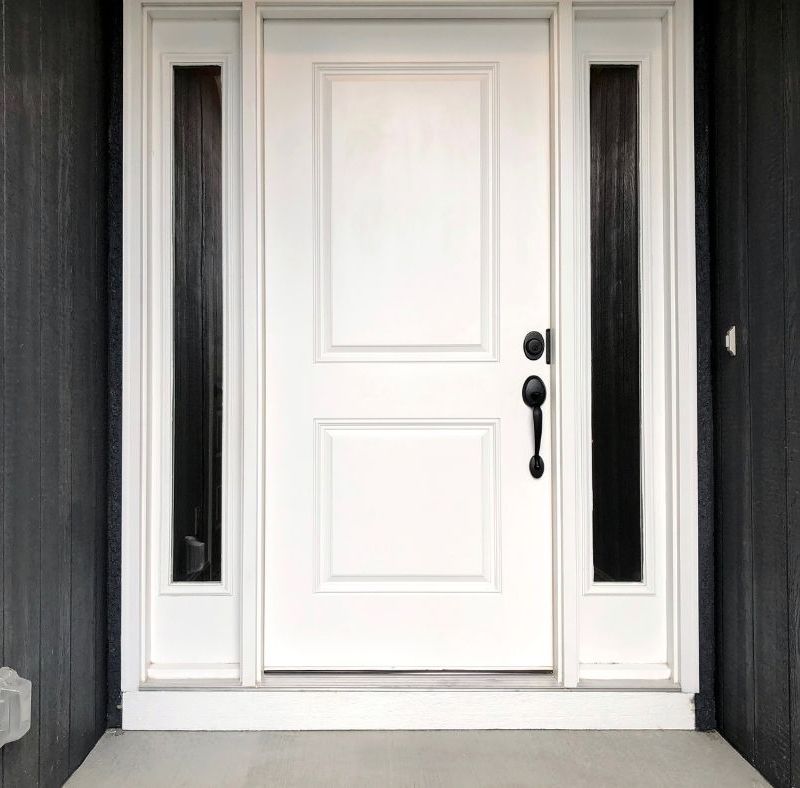
Fiberglass entry doors offer the best of both worlds—the beauty of wood without the maintenance and the flexibility to suit a wide range of home styles.
- Wood-Look Finishes: One of fiberglass’s biggest aesthetic advantages is its ability to mimic real wood. Advanced manufacturing techniques create deep, lifelike grain patterns that closely resemble oak, mahogany, cherry, or walnut.
- Paint & Stain Options: Unlike real wood, which requires frequent refinishing, fiberglass doors come pre-colored.
- Style Variety: Fiberglass doors come in a wide array of styles, from sleek, contemporary designs with clean lines to ornate, paneled doors with decorative glass inserts.
Wood: The Timeless, High-End Choice
For those who appreciate the beauty of natural materials, nothing quite compares to the elegance of a solid wood entry door.
- Unique Character: Unlike synthetic materials, every wood door is one of a kind, with natural grain variations that add character and depth. Over time, the wood develops a weathered sheen that enhances its charm.
- Luxurious, Heirloom Quality: A well-crafted wood door is often seen as a premium feature in a home, boosting resale value.
Steel: Minimalist and Modern but Less Versatile
Steel entry doors are known for their sleek, modern appearance and strong, secure feel, but they offer fewer design variations compared to fiberglass or wood.
- Paint Options: Steel doors typically come pre-finished or primed for painting, allowing homeowners to choose a color that complements their home’s exterior.

- Glass & Window Inserts: Some steel doors incorporate glass inserts or geometric paneling to add a touch of visual interest, but they don’t offer the same level of intricate detailing as wood or fiberglass.
- Lack of Warmth & Texture: Unlike wood and wood-look fiberglass, steel lacks natural texture. It can feel colder and more industrial.
Installation
The right door makes your home more secure, better insulated, and aesthetically appealing, but a poorly installed door leads to drafts, misalignment, or even structural damage.
Let’s explore how fiberglass, wood, and steel entry doors compare when it comes to installation.
Fiberglass: Lightweight and Hassle-Free
One of the biggest advantages of fiberglass is its lightweight nature compared to wood or steel.
This makes it easier to handle, transport, and position during installation while still providing durability and strength.
Wood: Heavier and More Labor-Intensive
Solid wood entry doors are the heaviest option, requiring a sturdier door frame and heavy-duty hinges to support the extra weight.
If the existing frame isn’t strong enough, reinforcements may be needed.
Because wood is a natural material, minor imperfections and swelling can occur.
Steel: Strong, Secure, and Requires Precision
While not as heavy as wood, steel entry doors are still cumbersome, especially if they have insulated cores or reinforced security features.
Because steel is a rigid material, even slight misalignments lead to issues with the door closing properly.
Gaps or an uneven fit allow air leaks, water infiltration, or even security vulnerabilities.
Open the Door to Partner with GP Martini Roofing
A high-quality entry door is a crucial component of your home’s security, energy efficiency, and overall structural integrity.
But a durable, well-installed door is just one piece of the puzzle.
Choosing the right door, ensuring a precise fit, and installing it correctly all play a role in how well it performs over time.
At GP Martini Roofing, we guide you through the entire process to ensure you get the best option for your home.
Our team takes careful measurements, considers factors like insulation and weather resistance, and installs your entry door with precision to create a secure, long-lasting fit.
With our attention to detail and commitment to quality, you can trust that your new door will enhance your home’s curb appeal while improving comfort and efficiency.
Contact us today for a free estimate.

FAQs
Which is better, wood, steel, or fiberglass entry door?
Each material has its pros and cons.
Wood brings classic beauty but needs upkeep, steel offers strength and security yet can dent or rust, and fiberglass is low-maintenance while resisting wear.
The best choice depends on your budget, climate, and desired aesthetics for your home.
What are the disadvantages of fiberglass doors?
Fiberglass entry doors can be more expensive upfront compared to steel. While durable, lower-quality fiberglass models may crack or fade over time.
They also lack the authentic warmth of wood, which some homeowners prefer for aesthetic appeal.
Additionally, extreme impact can cause surface damage, requiring repair or replacement.
What are the disadvantages of steel doors?
Steel entry doors can dent and scratch easily, and while they resist warping, they may rust if not properly maintained.
They also offer less insulation than fiberglass, making them less energy-efficient in extreme temperatures.
Additionally, steel doors can feel cold to the touch and lack the natural warmth of wood.
What are the disadvantages of wood doors?
Wood entry doors require regular maintenance, including sealing, staining, or painting, to prevent warping, rotting, or cracking.
They are also more susceptible to weather damage and pests.
While beautiful and customizable, wood doors are typically more expensive than steel or fiberglass and may not offer the same level of security.
What is the longest-lasting exterior door?
Fiberglass doors typically last the longest due to their resistance to weather, moisture, and wear.
Unlike wood, they won’t rot or warp, and unlike steel, they won’t rust or dent.
With minimal maintenance, a high-quality fiberglass entry door can last for decades while maintaining its appearance and durability.
 Rattling Siding: Why Your Siding Is Making Noise During Windstorms
- Overcoming HOA Challenges to Deliver Cost-Saving GAF Solar Roofing
- Solar Roofing vs. Traditional Roofing: What Homeowners Should Know
- Siding Warping: Why Your Home’s Shield is Failing and How to Fix It
- Metal Roofing Cost Breakdown: Materials, Labor, and Lifespan