Can the Insurance Company Make Me Replace My Roof?
The answer isn’t a simple yes or no.
It depends on your policy, the condition of your roof, local safety codes, and even your mortgage lender’s requirements.
As experienced roofing contractors in Pennsylvania, we have helped many homeowners navigate the murky waters of insurance roof replacement.
In this blog, we’ll break it all down.
What You Need to Know:
Why Insurance Companies Care About Your Roof
Your roof is your home’s first line of defense against the elements. It protects the structure, your belongings, and your family from weather-related damage.
Insurance companies know that an aging or damaged roof can be a ticking time bomb for claims. That’s why they’re invested in its condition.
When a roof becomes too old or unsafe, it increases the risk for everyone, including the insurer.
If your roof doesn’t meet their standards, they can:
- Increase your premiums
- Refuse to renew your policy
- Cancel your coverage altogether
- Require you to replace the roof to maintain coverage
They will only cover accidental damage to your roof if you hold up your end of the contract and ensure your roof is maintained in a condition that reflects “reasonable care” as interpreted by your lender.
What Insurance Requires to Provide Roof Coverage
Homeowners insurance typically distinguishes between standard (or scheduled) coverage and emergency (or loss mitigation) coverage when it comes to roof damage.
Standard Coverage
This is the part of your homeowner’s insurance that helps pay to repair or replace your roof when it’s damaged by common, covered events. Think of things like windstorms, hail, fire, or falling trees. It’s designed to handle the more typical types of roof damage you might experience.
It’s important to note that damage resulting from wear and tear or lack of maintenance is typically excluded.
Emergency Coverage
This is a separate part of your insurance that helps protect your home from further damage after a covered loss has already happened. It can help pay for temporary repairs, like putting a tarp over a hole in your roof, to prevent more damage from rain or wind while you’re waiting for permanent repairs.
This is often referred to as the “duty to mitigate” clause in your policy.
Common Issues That Could Exclude Your Roof From Coverage
NOTES: If you have a mortgage, your lender likely requires that your home be fully insured. If you lose your roof coverage, you could face penalties on your loan.
So what triggers an insurance company to demand a new roof or threaten upcharges and/or exclusions in your homeowner policy?
Here are the most common scenarios we see as roofing contractors:
1. Your Roof Exceeds Policy Age Limits
Insurance companies set age limits on roof coverage, especially for asphalt shingle roofs, which are the most common in Pennsylvania.
If your roof is 20 years old or more, your insurer may:
- Exclude roof damage from your coverage
- Downgrade your type of coverage
- Require a roof replacement to continue coverage
We often get calls from homeowners saying, “My roof isn’t leaking—why do they care?”
But insurers look at risk, not just damage. An older roof is more likely to leak, blow off in a storm, or fail structurally. That’s enough reason for them to act.
2. Local Building Codes and Safety Concerns
In some municipalities, building codes are updated to reflect better safety standards.
If your roof doesn’t meet those codes—whether it’s due to inadequate ventilation, missing underlayment, or outdated materials—your insurer might require a replacement to negate their risk factor as your insurer.
From our experience, we’ve seen this happen particularly in areas that have adopted newer versions of the International Residential Code (IRC).
Insurance companies know that if a claim is filed and the roof doesn’t meet the code, they could be on the hook for more than they planned.
3. General Wear and Tear
Insurance companies do not cover damage from normal wear and tear.
But here’s where it gets tricky: if wear and tear has caused enough degradation that the roof no longer functions properly, the insurer may flag it as a risk to the home’s structural integrity.
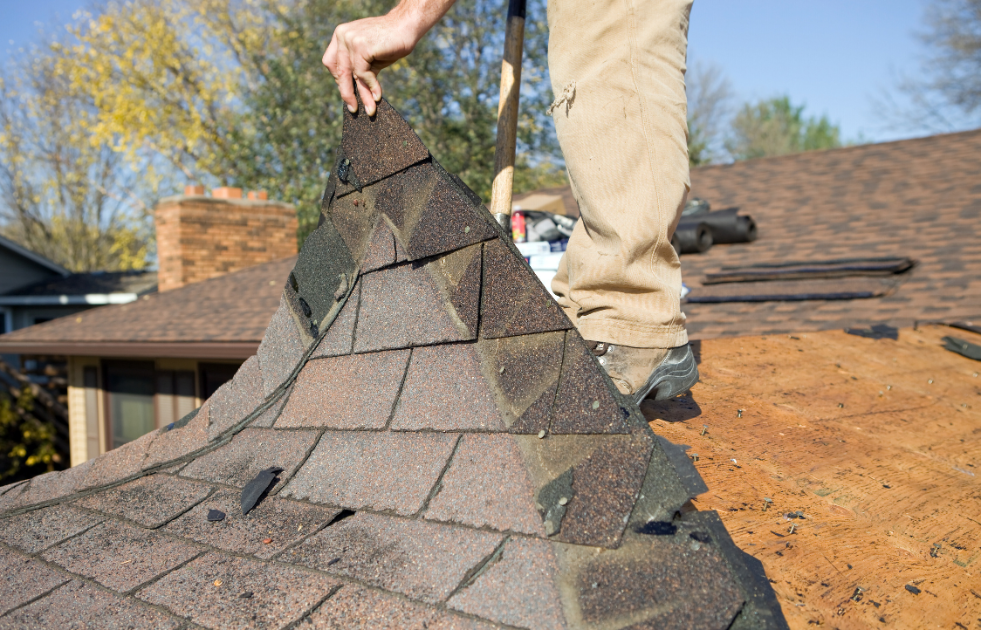
Cracked shingles, sagging decking, exposed nail heads, missing flashing—these issues can add up.
What Happens If You Ignore the Insurance Company?
If your insurance company has flagged your roof and you’re thinking, “Maybe I’ll just ride it out,” think again.
Ignoring the insurance company can and most likely will lead to:
- Higher Premiums: Your insurer may raise your rates due to increased risk. You’ll be paying more for less protection.
- Reduced Coverage: They could limit coverage or exclude the roof from your policy altogether. If a storm hits and your roof is damaged, you could be stuck paying out of pocket.
- Policy Cancellation or Non-Renewal: In the worst-case scenario, they drop you. Finding new coverage on a flagged roof is difficult, and if you have a mortgage, you could be in violation of your loan agreement.
We’ve helped homeowners in this exact situation. Many are surprised to learn how little time they have to fix things before their coverage is gone.
Why You Need a Pro on Your Side
A professional roofing company with years of experience dealing with insurance roof replacement claims can walk you through it.
They can:
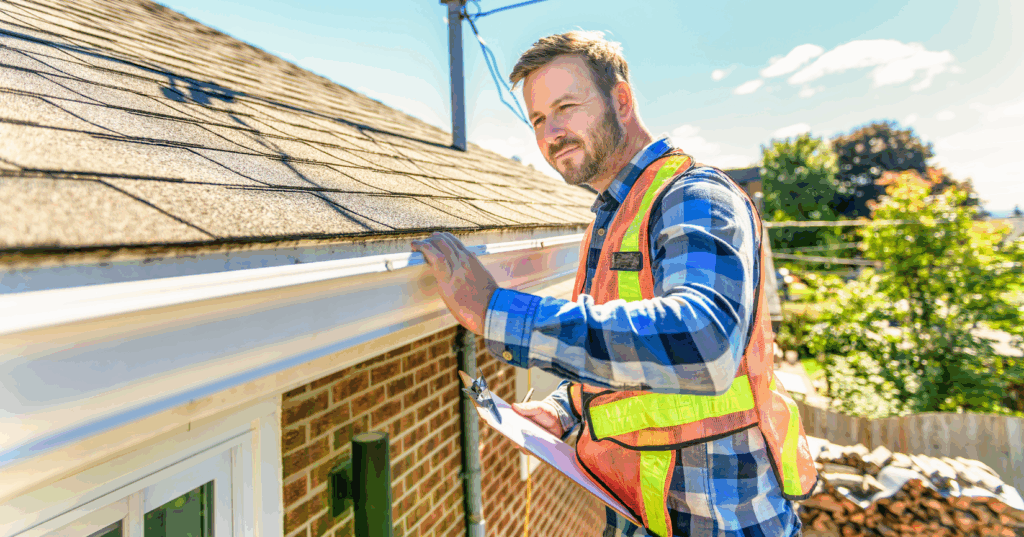
- Conduct a full roof inspection and document its condition
- Provide estimates tailored to your insurer’s requirements
- Identify code compliance issues before the adjuster does
- Help you understand your policy and what kind of roof you qualify for
- Advocate for you with your insurance company
The earlier you get a roofing contractor you trust involved, the better your outcome.
Final Answer: Can Your Insurance Company Make You Replace Your Roof?
Technically, no one can force you to replace your roof, but your insurance company can make it a condition for coverage.
If you want to keep your policy active, avoid higher premiums, and stay compliant with your mortgage, then replacing your roof may be the smart (and sometimes necessary) choice.
We always recommend getting ahead of the issue.
If your roof is around 20 years old, showing signs of wear, or you’ve received a warning from your insurer, it’s time to act.
Get a Free Roof Estimate from GP Martini Roofing
Worried your roof might not pass your insurance company’s inspection?
Don’t wait until your coverage is at risk.
Contact GP Martini Roofing today for a free roof estimate.
We’ll inspect your roof, explain your options, and help you navigate your insurance roof replacement from start to finish.
FAQs
Will insurance cover a full roof replacement?
It depends on your policy. If you have Replacement Cost Value (RCV) coverage and the damage is from a covered event, insurance may pay for a full replacement. With Actual Cash Value (ACV), you’ll get less due to depreciation.
How do I know if my roof is too old for insurance coverage?
Yes. If your roof is in poor condition, insurers can deny coverage or refuse to renew your policy. A professional roof inspection can help you avoid this.
Can I be denied homeowners’ insurance because of my roof?
Yes. If your roof is in poor condition, insurers can deny coverage or refuse to renew your policy. A professional roof inspection can help you avoid this.
What happens if I ignore my insurance company’s roof replacement request?
You may face increased premiums, loss of roof coverage, or total policy cancellation—especially if you have a mortgage.
How do I start an insurance roof replacement claim?
Start by calling your insurance company to report damage. Then, contact a trusted roofing contractor for an inspection and estimate to support your claim.